
January 25, 2023

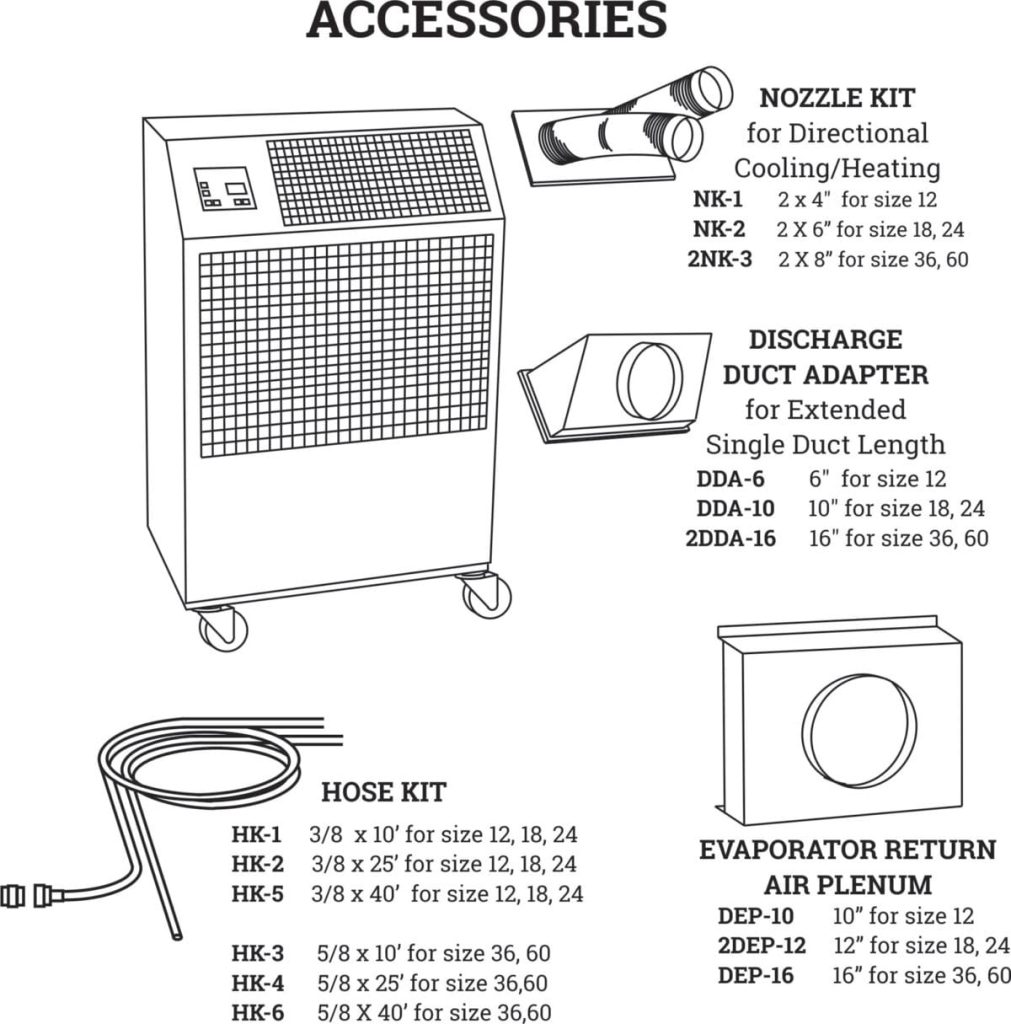
OWC ACCESSORIES 1200x1215 1
Uncategorized

The salamander heater is a top choice for heating space quickly and efficiently. These powerful heaters can be used in various settings, from construction sites and warehouses to garages and workshops. 

This blog post will take a closer look at what a salamander heater is, how it works, and some of its key benefits.

What is a Salamander Heater?

A salamander heater is a portable electric heater designed to heat an ample space quickly. It gets its name from the shape of its heating element, which is long and narrow, resembling the body of a salamander. These heaters typically have a fan that helps to distribute the heat evenly throughout the space.

How Does a Salamander Heater Work?

A salamander heater uses an electric heating element to generate heat. The heating element is typically made of metal and is heated by electricity. The fan blows air across the heating element, which heats the surrounding air. This heated air is circulated throughout the space, raising the overall temperature.

The heat generated by a salamander heater can be adjusted using a thermostat or a control knob, allowing you to set the desired temperature for your space. Some models come with a timer, allowing you to select the heater to turn on and off at specific times.

Benefits of Using a Salamander Heater

There are several benefits to using a salamander heater, including:

  • Quick heating: One of the most significant advantages of a salamander heater is its ability to heat an ample space quickly. That makes it an excellent choice for construction sites, warehouses, and other large indoor areas where rapid heating is needed.
  • Portable: Many salamander heaters are designed to be portable, which makes them easy to move from one location to another. This is ideal for spaces used for multiple purposes or construction sites where the heater needs to be moved as work progresses.
  • Efficient: Salamander heaters are very efficient at heating a space. This is because they use electricity to generate heat, a relatively cheap and abundant energy source.
  • Safe: Salamander heaters are typically very safe to use. They do not produce any harmful emissions and do not require any fuel to operate.
  • Cost-effective: Salamander heaters are generally more cost-effective than other heaters, such as gas or oil-fired heaters. They do not require particular installation or maintenance, and their operating costs are relatively low.

Types of Salamander Heaters

There are two main types of salamander heaters: electric and propane. Electric salamander heaters are powered by electricity and are typically the most common type of salamander heater. They are easy to use and require no unique installation or maintenance. Propane salamander heaters are powered by propane and are typically used in outdoor or semi-outdoor spaces.

Electric Salamander Heater

  • Electric Salamander heaters are powered by electricity and are typically the most common type of salamander heater.
  • They are easy to use and require no particular installation or maintenance.
  • They are ideal for indoor spaces where quick heating is needed and cost-effective.

Propane Salamander Heater

  • Propane Salamander heaters are powered by propane and are typically used in outdoor or semi-outdoor spaces.
  • They are ideal for outdoor.

At Preferred Climate Solutions, our fleet includes a variety of commercial-grade electric heater rental

We have the Chromalox RRA Salamander Blower Heating System for smaller jobs. 

  • This salamander heater is available in both 15KW and 30-KW versions. 

The ChromaloxSDRA SuperDragon blower heater can heat more extensive areas to 204,000 BTUs. 

  • They are used for industrial heating processes that require temperatures up to 180oF.

We also have the Mosebach HX60 electric heater

  • This heater can generate 205,000 BTUs and boasts a 2,400 CFM fan. 
  • It can be installed outdoors and comes with an optional 50-duct.

Our electric heaters are safe and can be left on their own while being used.

Salamander Heater: What are its uses?

Salamander heaters are a great temporary heating option, especially for large open spaces. Salamander heaters are commonly used in:

  • Construction sites: Employers must provide comfortable working conditions for their employees. This includes comfortable temperatures at the job site. It is also used to cure plaster and concrete faster.
  • Outdoor events: It is excellent for events, especially in freezing weather.
  • Warehouses: A salamander heater is an excellent option for those who work in well-ventilated areas such as warehouses or workshops.
  • Garages: If there is adequate ventilation, an electric salamander heater is used to heat the garage.
  • Office spaces Not all office buildings have central heating. An electric salamander heater is a great option. Before using a salamander heater, you should ensure that your indoor space has adequate ventilation.
  • Drying applications A salamander heater is a great way to reduce water damage caused by flooding or inclement weather.
  • Heat treatment for pest control A less-known benefit of salamander heaters is that they are used to eradicate insects or pests. The heat from the thermal area heater dehydrates larvae to prevent egg hatching.

The heater we reviewed above is an effective source of heat used in various settings. This heater could be your ideal choice if you are looking for a way to heat an ample space quickly. The design is sleek and comfortable, and the price will stay within the budget.

The salamander heater rental is the perfect solution for heating small/big indoor or outdoor spaces. Like any other heating apparatus, it’s essential to follow the manufacturer’s instructions and directions when using a salamander heater. To find out more about these heaters, head to our site!
, ,
dehumidifier
Uncategorized

When it comes to heating large commercial or industrial spaces, indirect-fired heaters are a smart choice for maintaining consistent and controlled temperatures. But what exactly are indirect-fired heaters, and how do they differ from direct-fired heaters? 

This blog post will discuss indirect-fired heaters’ key features and benefits and explain why they’re the preferred choice for many businesses and facilities.

First, let’s define direct and indirect-fired heaters. 

Direct-fired heaters burn fuel directly in the heating chamber, which heats the air circulated throughout the space. 

On the other hand, indirect-fired heaters use a heat exchanger to transfer heat from the combustion process to the air circulated throughout the space. That means that the heated air never comes into contact with the combustion process, making indirect-fired heaters a safer and more efficient option.

One of the most significant advantages of indirect-fired heaters is their ability to provide consistent and controlled temperatures. Because the heat exchanger separates the combustion process from the heated air, the temperature can be easily regulated and maintained consistently. 

This is especially important in large commercial or industrial spaces, where maintaining a consistent temperature is crucial for employee comfort and productivity.

High efficiency

Another benefit of indirect-fired heaters is theirhigh efficiency. Because the heat exchanger separates the combustion process from the heated air, the heat energy can be used more effectively and with less waste. This means that indirectly fired heaters use less fuel to heat the same amount of space, resulting in significant energy savings over time.

Durable

In addition to their energy efficiency, indirect-fired heaters are also known for their durability and long lifespan. The heat exchanger is typically made from durable materials such as stainless steel, which can withstand the high temperatures and pressures of the combustion process. This means that indirect-fired heaters require less maintenance and repairs and can last many years with proper care and maintenance.

Provide clean & safe heat

Another benefit of indirect-fired heaters is their ability to provide clean, safe heat. There is no risk of carbon monoxide or other harmful gases entering space. This makes indirect-fired heaters a safer option for commercial and industrial spaces, especially those where people spend extended periods.

Versatile

Indirect-fired heaters are also versatile and can be used in various settings. They are commonly used in large commercial and industrial spaces such as warehouses, manufacturing facilities, and distribution centers. They are also used in outdoor settings such as construction sites and agricultural facilities.

Increased Flexibility

Because the combustion process is separate from the air or fluid being heated, indirect-fired heaters can be designed to heat various fluids, including air, water, and thermally conductive fluids. Additionally, indirect-fired heaters can be designed to heat various industrial processes, including space heating, process heating, and drying.

Low Maintenance

Indirect-fired heaters also require less maintenance than direct-fired heaters. There is less wear and tear on the heat exchanger. Additionally, the design of indirect-fired heaters allows for using a heat exchanger specifically designed for the fluid being heated, which can further decrease maintenance.

Cost Effective

Lastly, Indirect fired heaters are cost-effective in the long run. The heat exchanger is a vital component of the indirect-fired heater, which can be replaced at a lower cost than replacing the entire unit. Additionally, indirect-fired heaters are more energy-efficient, which can result in significant cost savings over time.

FAQs about Indirect-fired Heater

What is an indirect-fired heater? 

An indirect-fired heater is an industrial heating equipment that uses a heat exchanger to transfer heat from the combustion process to the heated air or fluid. This design allows for more excellent safety, efficiency, and flexibility in heating various fluids and industrial processes.

How does an indirect-fired heater work? 

An indirect-fired heater burns fuel in a separate chamber from the heated air or fluid. The heat generated by the combustion process is then transferred to the air or fluid through a heat exchanger. This design allows for excellent safety and efficiency in heating various fluids and industrial processes.

What are the benefits of using an indirect-fired heater? 

The benefits of using an indirect-fired heater include increased safety, increased efficiency, increased flexibility, low maintenance, and cost-effective nature. Indirect-fired heaters can be used to heat a variety of fluids, including air, water, and thermally conductive fluids. They can be used in various industrial processes, including space heating, process heating, and drying.

Can indirect-fired heaters be used in outdoor or harsh environments? 

Yes, indirect-fired heaters can be used in outdoor or harsh environments. They are designed to withstand various weather conditions and can be equipped with additional features, such as weatherproofing and corrosion-resistant materials, to ensure reliable operation in harsh environments.

How often do indirect-fired heaters need to be serviced? 

The frequency of service required for indirect-fired heaters will depend on the specific unit and the conditions in which it is used. However, indirect-fired heaters require less maintenance than direct-fired heaters and have a long lifespan.

Can indirect-fired heaters be integrated into existing heating systems? 

Yes, Indirect fired heaters can be integrated into existing heating systems. They can be used as a primary or supplementary heat source and connected to existing ductwork or piping. Additionally, Indirect fired heaters can be equipped with temperature control systems, allowing for precise temperature control and consistent heating. In conclusion, indirect-fired heaters are a smart choice for businesses and facilities that need consistent and controlled temperatures. With high efficiency, durability, and safety, indirect-fired heaters offer many benefits over direct-fired heaters. They are a cost-effective and long-term solution for heating large commercial and industrial spaces, and their versatility makes them suitable for a wide range of settings.

Scroll to Top