
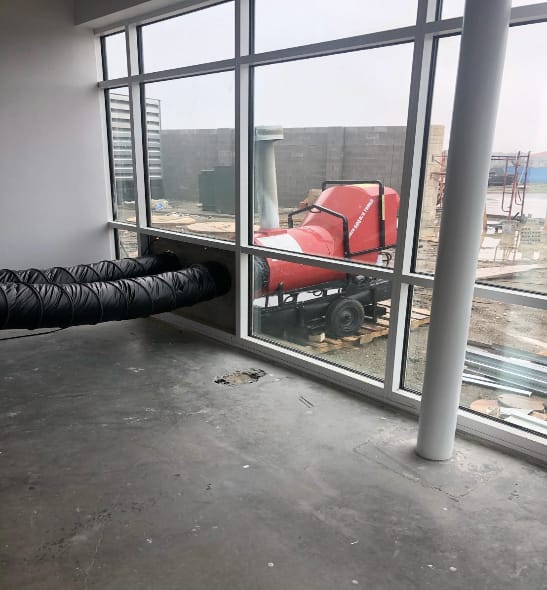
February 17, 2022

heater rental service
Blog

Determining the size of the salamander heater you need depends on its use. For example, salamander heaters are often used in the wintertime to keep a small greenhouse warm to protect plants from freezing.

In this case, typically, much smaller salamander heaters are used so as not to completely heat the greenhouse and lose much of the temperature overnight.

If you do not need a heater large enough for a greenhouse but want one for your home or small building, you will need a larger unit.

Here, we answer your questions related to what size salamander heater you need.

What is a salamander heater?

A salamander is a small, portable heater used for various purposes, including supplemental heating in greenhouses, garages and other spaces where a larger heater might not fit. They are also typically used in workshops and building sites for temporary warmth.

It provides localized heat by burning propane or natural gas.

Salamander heaters are different than baseboard or other types of space heaters because they are designed to provide targeted warmth. Not widespread, general heating. Often, they are considered the best option for greenhouses because they will warm only one space, providing a more controlled temperature.

Salamander heaters can also be placed outside to provide supplemental heat for a building. In this situation, they can use natural gas or propane as a fuel source instead of requiring electricity like a portable heater.

What are the types of salamander heaters?

There are several different types of salamander heaters available, and they range in model sizes. Different models include:

Floor-mounted model

These heaters are typically the largest type. They attach directly to the floor and may be wall-mounted, as well, for ease of installation.

Under-bench heater model

This type of salamander heater mounts under a bench or workstation. It can be used in commercial settings like garages, cafes, food trucks and warehouses, but it is also suitable for use at home for supplemental heating during cold weather. Some under-bench models also include rubber feet to ensure safety if used on other surfaces like wood or tile.

Wall-mounted model

Salamander heaters designed for wall mounting will include leg stands so they can stand freely without requiring wall studs for support. This type tends to provide more focus than other options because it is designed to heat a specific area.

Baseboard heater model

Baseboard heaters combine the flexibility of both under-bench and sidewall-mounted units as they can be mounted either beneath a bench or inside a cabinet/workbench. Baseboard models remain in one place, heating panels along the walls. Because they are often smaller than other types, they are also more energy-efficient.

U-shaped or U-line heater model

This type of salamander heater mounts on the wall like other wall-mounted models, but it is generally U-shaped so that it can provide heating for multiple workstations at once. Often, this option is used in commercial settings where several people are working nearby.

Salamander heaters are available in different output ranges depending on your needs, and they should come with an adequate cord length for reaching outlets safely. Depending on the model you choose, you may have options for hanging pendant cords or placing caps over unused outlets–so they don’t expose live wiring during installation.

There’s also a difference in the type of energy they use, including electric and gas heaters.

Electric salamander heaters

These come with electric fans to distribute the air around them heated by electricity. Electric units can be plugged into any standard outlet but tend to lose some efficiency as they get hotter due to the higher resistance of heating elements over an open flame. These require regular maintenance, such as changing wicks or replacing elements.

Gas salamander heaters

Gas units rely on propane or natural gas that burns at high temperatures and heats a metal element within the device. These burn fuel more efficiently than electric models and do.

How do salamander heaters work?

A salamander heater has a metal cage containing an open flame. The airflow inside the cage helps distribute heated air to the environment while also heating interior surfaces like walls and floors. A fan draws in outside air for combustion purposes before distributing it throughout the room or building.

Salamander heaters are typically not used as your main source of space heating. They’re more suited to supplement existing heating systems during colder months. Since they only cover small areas at a time, you may need several units to warm the space enough.

Where can I use one?

Salamander heaters are used for warming greenhouses and on construction sites, garages and workshops. Basically, any small space that needs high levels of heat.

The great thing about them is that they can be used in any application you need temporary heating. Meaning, they are an ideal way to warm up your winter growing area until your main system kicks in.

What size do I need?

Three main factors to consider when choosing a salamander heater for your needs include wattage, size and insulation.

Wattage is the measurement of power consumption in an appliance, so the higher the wattage on your salamander heater means that it has more power and can heat larger areas slightly faster than lower wattage ones.

The recommended wattage for medium-size greenhouses is 500 watts per 100 square feet or five watts per square foot. So, for example, if you have a 1,000 square foot greenhouse, you should use a minimum of a 1,000-watt salamander heater when temperatures drop below freezing.

Size refers to the diameter or length of the heating element being used. It is the most important factor in determining how fast an area will be warmed up.

Insulation is the amount of protection your greenhouse has from outside temperatures. So, if you have more insulation, it will take longer for the salamander heater to warm up the space.

If you’ve decided you’re ready to rent or buy a salamander heater, contact Preferred Climate Solutions today.
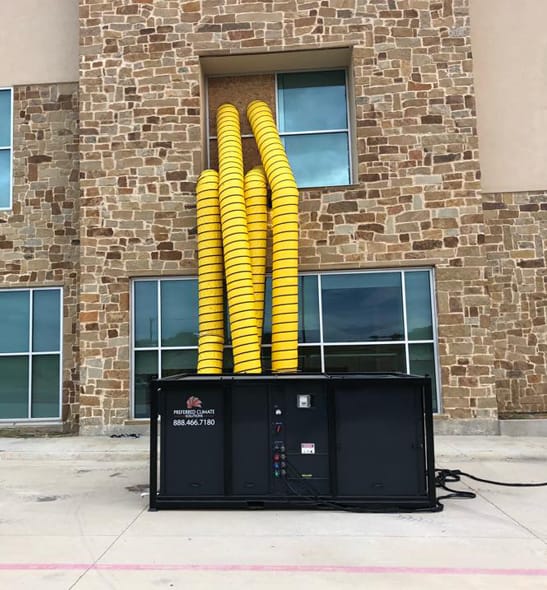
Application Pic 1
Blog

At the beginning of autumn, when weather conditions start to be cold and chilly, many people look for a temporary heater to make their homes a bit warmer. Or maybe, you’re running a business, your heat recently went out and you know you need to keep your employees or customers warm.

Many people at some point need to look for temporary heaters, whatever the reason may be. When you need to rent one, make sure to ask yourself the appropriate questions about the kind of heater you need. Here’s what to look for when renting a temporary heater.

1. What kind of heater is it?

There are several different types of temporary heating equipment that people use in their homes today. The main ones are electric baseboard heaters, radiant heat panels, ceramic heat emitters and forced air heaters.

Electric baseboard heaters are the most common and the cheapest to buy and run but may not give you the heating you require as they can be affected by cold drafts.

Another option is electric resistance heating which works by running an electrical current through metal, creating heat. An example of this type of heater is the radiant space heater, also known as the radiant torch.

The device has an infrared heating element and fans that circulate heated air like other forced-air models. Those who suffer from respiratory problems should avoid this unit because it doesn’t filter out toxins and allergens in the nose and throat regions. It’s also important not to use these heaters every day because they dry out the air over time. They don’t make any noise when turned on, but they can produce a mild buzzing noise when turned off.

Radiant heat panels are fairly new to the market. They are slightly more expensive to buy and run than electric baseboard heaters but may give you a warmer feeling in the room. They are an excellent form of supplemental heating that warms objects rather than just the air around them. However, they can be very costly, as you need electrical wiring at every outlet.

Ceramic heat emitters give out the warmth as an open fire would. They can be used even in humid weather conditions because they don’t dry the air as forced air heating does. Ceramic heat emitters are another option for those who want a low-cost, easy-to-use heater that doesn’t need electricity or gas. They also don’t produce any noise when running.

Forced-air heaters are generally flexible, with different power options available, meaning that everyone should find one that suits their needs without breaking the bank. Forced air heating is the most common temporary heater for home use. It has large fans which circulate heated air around the room. The cost of these units varies depending on their output capacity.

2. What size of space do you need to heat?

Once you know the basic types of heaters, it’s time to figure out what heater would work best in your space. Different rooms require different amounts of heat, so this is where you need to be picky. If you have a large space that needs heat, then forced-air heaters are recommended over other models because they are energy efficient and easy to install. If your room is small or you don’t want the furniture disturbed by machines, radiant torch or infrared style units will work best for small spaces or rooms with sensitive contents.

One way to compare the output of various units is to look at how big they are in terms of BTUs per hour. The higher this number is, the more powerful the heater is likely to be. Higher BTUs also allow the unit to raise room temperature faster when temperatures dip into frigid winter weather. Room size should be taken into account when considering BTU output as well — a heater with high numbers may not produce warmth for a large room but may be enough for a smallish room.

If you decide that your heater has an output of 12,000 BTUs and you want to heat a 350 square foot room, it will take the unit at least seven hours to warm up the space. Knowing how much space needs heating before purchasing or renting your temporary heater will help ensure that you get the most efficient use from your unit and avoid returning it due to lack of performance.

Choosing between a radiant and fan-forced heater comes down to personal preference.

A radiant heater will produce very few hot spots in the room, making it ideal for small areas or people who move around a lot (like children). They are available with adjustable height options and can be moved from room to room fairly easily. The downside of these units is that they don’t provide complete coverage. So, there may still be cold pockets or draft currents in the room when using this appliance.

Fan-forced heaters distribute warmed air through a moving fan and typically come with multiple heating options like high and low levels and adjustable settings. These heaters work well for larger rooms because they cover more ground without having to move them once activated.

3. Does the heater follow city or county regulations?

Before renting or buying a portable heater, you need to know if the unit is legal in your area. Some units, such as propane and kerosene heaters, come with safety precautions that should be followed to reduce the risk of carbon monoxide poisoning or fires.

Some units may also use up too much electricity, which could cause a bad power surge and lead to fires.

Another example of a city or county regulation includes using space heaters in public facilities. Some units may not be allowed to be used at all or must be turned off after a certain hour, depending on the facility’s use.

4. Does the heater require a ventilation system?

Portable heaters that burn fuel like gas, kerosene or propane give off carbon monoxide. If not properly ventilated, it can lead to suffocation. These heaters need to be 20 feet away from any bedroom windows, doors and walls. Portable heaters that do not use combustible fuel like electricity or natural gas don’t require a ventilation system.

5. Is the heater safe?

Check the safety precautions on the heater before you decide to rent it. Portable heaters built after the 1970s are required to have a tip-over switch. The unit will automatically shut down if it is accidentally tipped over. Also, be sure that the heater has an automatic shut-off in case of overheating.

If you are using any personal space heater, take precautions to avoid burns and fires. Avoid wearing loose clothing near the unit and keep all combustible materials away from it. Make sure there is enough ventilation around the heater so that it will not release carbon monoxide into your living space. Never use a portable heating device as an everyday heat source for your home or business because it can be very costly to run constantly.

When you’re all ready to rent a temporary heater for your home or business, contact Preferred Climate Solutions today.

Scroll to Top