December 21, 2023

5 Benefits of Using Indirect Fired Heaters for Industrial Applications
Blog

Are you using industrial heaters on your job site yet?

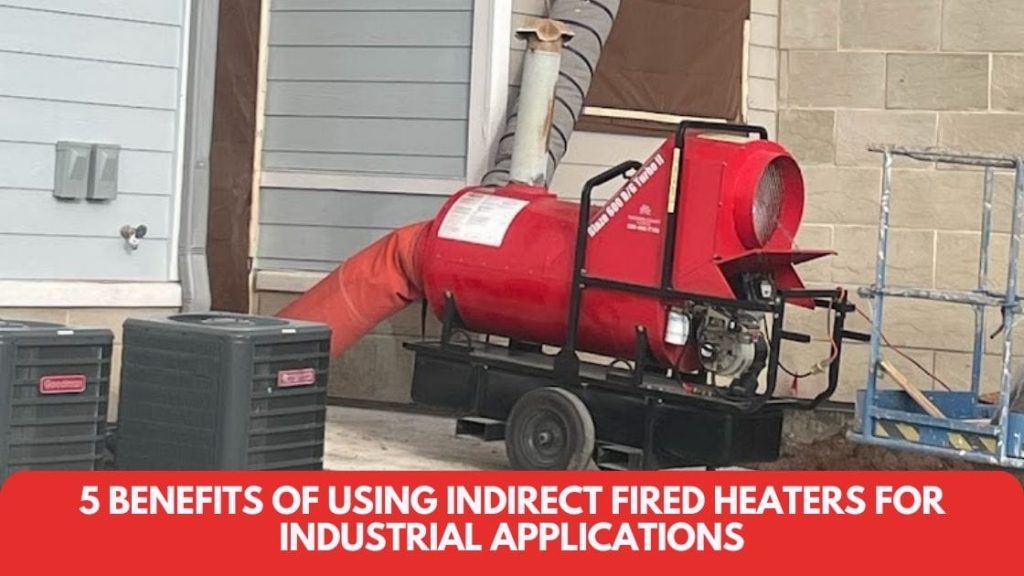
Indirect-fired heaters, which separate the combustion process from the air being heated, offer key benefits in numerous industrial settings. They perform functions other types of heaters cannot, leading to increased efficiency, safety, and other benefits.

In this article, we’ll explore five major advantages of using indirect-fired heaters, and show you the easiest and most affordable way to use them.

Indirect Fired Heaters: An Overview

Indirect-fired heaters stand out because they heat air without directly exposing it to flame. This separation of combustion from the heating process differentiates them from direct-fired heaters, which mix the air with combustion products.

In industrial settings, these heaters are widely used for their clean and safe heat delivery. They’re particularly useful in environments where air quality is crucial, such as construction sites, warehouses, and manufacturing plants.

5 Benefits of Indirect Fired Heaters

Let’s dive into five key benefits that make indirect-fired heaters the go-to heroes for your industrial heating needs:

1. Safety

One of the most compelling benefits of using indirect-fired heaters in industrial applications is their enhanced safety. These heaters operate by keeping the combustion process completely separate from the air being heated. As a result, there is no risk of direct exposure to combustion byproducts or open flames.

They’re ideal for use in refineries, chemical plants, confined spaces, and other environments with an elevated risk of danger. They’re also necessary for environments that require the highest air quality levels.

Unlike direct-fired heaters, where combustion fumes mingle directly with the heated medium, indirect-fired heaters boast a closed-loop system. This separation dramatically reduces the risk of contamination, eliminating concerns about explosions, fumes, and product degradation.

2. Versatility

Indirect-fired heaters are highly adaptable, making them well-suited for a broad spectrum of industrial uses. They excel in various settings, from heating vast construction sites to drying agricultural produce and managing temperatures in manufacturing processes. This adaptability positions them as a versatile solution for numerous heating requirements.

These heaters skillfully manage diverse thermal transfer needs, from heating thick asphalt in road construction to delicate glycol mixtures in anti-freeze production. Their capability spans a wide temperature range, capable of achieving extreme highs over 700°F (371°C) or providing gentle heat around 100°F (38°C).

Regardless of the industry, whether it’s a major chemical enterprise or a modest warehouse operation, indirect-fired heaters can precisely cater to specific thermal needs. Their flexibility and efficiency make them indispensable in a variety of industrial contexts.

3. Efficiency

Indirect-fired heaters are a boon for industries focused on cost-saving and profit maximization. Their closed-loop design and efficient heat exchangers ensure maximum energy utilization, directly translating to lower fuel consumption and significant cost savings.

These heaters are designed for consistent temperature control with minimal energy input, thanks to a heat transfer fluid that acts like a thermal battery. This efficiency reduces operational costs, a key advantage for any business’s financial health.

Additionally, the absence of combustion byproducts from indirect-fired heaters means a cleaner environment. This not only aids in reducing environmental impact but also enhances a company’s environmental, social, and governance profile, aligning business operations with sustainability goals.

4. Easy to Maintain

Indirect-fired heaters are celebrated for their low-maintenance requirements, owing to their sturdy construction and few moving parts. This robust design significantly diminishes the frequency of repairs and maintenance interventions.

Their closed-loop system minimizes the need for intricate burner adjustments, reducing wear and tear on combustion-related components. This results in fewer frequent breakdowns, longer equipment lifespan, and lower maintenance expenses.

With indirect-fired heaters, businesses experience fewer disruptions and can concentrate on production rather than constant equipment maintenance. This reliability provides a sense of security and operational efficiency, enhancing productivity.

5. Affordable

Indirect fired heaters are one of the most affordable heating options, especially if you rent instead of buy. Heater rentals offer a practical solution for temporary or seasonal heating needs, allowing you to pay only when necessary, significantly cutting down on long-term capital expenses.

Temporary heater Rental is well-suited for managing seasonal temperature dips, production increases, or unforeseen equipment failures without the financial burden of ownership.

Additionally, by choosing indirect heater rental, businesses avoid additional costs associated with maintenance and storage. They can simply rent a top-of-the-line, expertly-maintained heater whenever they need one.

Conclusion

In the world of industrial heating, indirect fired heaters offer unparalleled safety, convenience, and affordability. They’re the right choice whether you’re battling the winter chill in a warehouse, ensuring optimal viscosity in a chemical plant, warming delicate solutions in a food processing facility, and for many other situations.

Indirect heaters keep your operations running smoothly, safely, and efficiently, allowing you to focus on what truly matters – industrial success. For more information, including the advantages of indirect heater rental for your project, contact the experts at Preferred Climate Solutions.
, ,
The Ultimate Guide to Negative Air Machine Rental  Everything You Need to Know
Blog

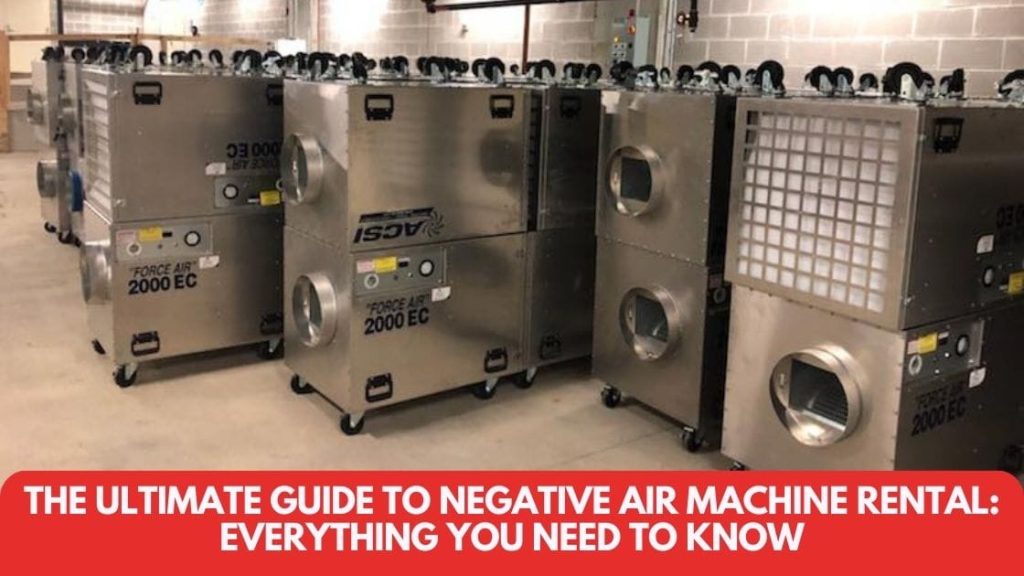
Negative air machines, also called air scrubbers, play a vital role in maintaining clean, safe air in environments such as construction sites, hospitals, and more. They work by using a powerful filter and fan system to remove harmful particles and contaminants.

Don’t worry if you need a negative air machine (NAM) but aren’t sure where to start. The following guide covers how air scrubbers work, their benefits, how to use them safely, tips for negative air machine rental, and much more.

Understanding Negative Air Machines

A negative air machine is a powerful air purification system designed to filter out harmful particles and contaminants from the air. It is crucial in maintaining clean, breathable air in various environments, especially where health and safety are paramount.

At the heart of any air scrubber are several key components:

  • HEPA Filters: High-Efficiency Particulate Air filters that capture 99.97% of particles as small as 0.3 microns.
  • Fan System: Drives the air through the machine, ensuring efficient circulation and filtration.
  • Pre-Filters: Capture larger particles, protecting the more delicate HEPA filters from clogging.

Negative air machines work by creating a pressure difference. They pull contaminated air in, pass it through their multi-stage filtration system, and then release the cleaned air. This process effectively traps harmful particles and prevents them from re-entering the environment.

These machines are invaluable in areas like hospitals and construction sites, where clean air is not just a comfort but a necessity. They ensure safety from airborne contaminants and help maintain required air quality standards.

Why Rent a Negative Air Machine?

If you need a negative air machine, both buying and renting have specific benefits. Buying is a long-term investment, ideal for continuous, regular use. Negative air scrubber rental, on the other hand, is often more cost-effective for short-term projects or occasional needs, offering flexibility without the hefty upfront cost.

HEPA negative air machine rental is particularly advantageous in scenarios like temporary construction sites, short-term remediation projects, or emergency response situations. In these instances, the need for a negative air machine is critical but not ongoing, making renting more practical and economical.

For short-term projects, renting a negative air machine presents several key benefits:

  • Eliminates the need for long-term storage and maintenance
  • Provides access to the latest technology without a significant investment
  • Ensures that the equipment is professionally serviced and ready for immediate use.

Renting saves money while also ensuring efficiency and effectiveness in maintaining air quality.

Choosing the Right Negative Air Machine

Selecting the right negative air machine for your needs involves several important factors. The size of the space where the machine will be used is a primary consideration, as larger areas require machines with greater capacity and power.

The power of the machine is another critical aspect. It determines how effectively the machine can circulate and filter the air in the given environment, making it crucial for efficiency in larger or more contaminated spaces.

The type of filter used in the machine is also essential. High-Efficiency Particulate Air (HEPA) filters are standard, but other types are also available. For example, your project’s specific needs may require filters that target particular contaminants or allergens.

Another factor to consider is the machine’s noise level. Especially in environments like hospitals or office spaces, selecting a machine that operates quietly can be crucial to maintaining a comfortable and disturbance-free atmosphere.

Finally, note the machine’s portability and ease of installation. In dynamic environments where it might need to be moved frequently, a lightweight, easy-to-set-up unit can greatly enhance convenience and efficiency.

Understanding Specifications and Ratings of Negative Air Machines

Understanding HEPA filter efficiency is paramount to maintaining suitably clean air quality. A machine with a filter that captures 99.97% of particles as small as 0.3 microns is ideal for most environments, ensuring a high level of air purification.

Another important specification is the air change rate per hour. It indicates how frequently the machine can replace the air in a room, which is crucial for maintaining consistent air quality, especially in environments with high levels of contaminants.

Ask the rental company for information on each machine’s energy efficiency. An energy-efficient model can significantly reduce energy consumption, which directly affects your operating costs, especially for long-term projects.

Lastly, understanding the overall capacity of the machine is vital. This involves knowing how much air the machine can process and how effectively it can maintain air quality over time, which is crucial for prolonged projects or larger spaces.

Tips for First-Time Renters

For first-time renters, here are some helpful tips:

  • Assess Your Space: Estimate the size and nature of the area to determine the machine capacity needed.
  • Consult Experts: Don’t hesitate to seek advice from rental service professionals about the most suitable machine.
  • Read Reviews: Look for customer feedback to gauge the performance and reliability of different models.
  • Check Maintenance Records: Ensure the machine has been regularly serviced and is in good working condition.
  • Evaluate Rental Terms: Carefully review the rental agreement to understand the terms and conditions, including the duration, return policies, and any potential penalties.

Choosing the right negative air machine can significantly impact the effectiveness and efficiency of your air purification efforts.

Rental Cost Considerations

The cost of renting a negative air machine can vary, but generally, it’s an affordable option for most budgets. Prices depend on the machine’s size and capabilities, so consider your specific needs when estimating costs.

Be aware that there are additional expenses beyond the base rental rate. These can include delivery charges, maintenance fees, and any extra services provided by the rental company.

To effectively budget for renting a negative air machine, always ask for a detailed cost breakdown. This way, you can plan for all potential expenses and avoid any surprises. Keep in mind that a reputable rental company will have no problem providing you with clear pricing upfront.

Safety and Compliance

When operating a negative air machine, safety should be your top priority. Always ensure that the machine is properly grounded, and avoid overloading electrical circuits to prevent fire hazards.

Adhering to regulations set by organizations like OSHA and the EPA is crucial when using negative air machines. These guidelines ensure that the machine is used in a manner that protects both the environment and the health of individuals in the vicinity.

Proper training in the use and maintenance of negative air machines is essential. Users should be familiar with the operational manual, understand how to replace filters and know how to recognize common warning signs the machine isn’t functioning properly..

Remember, safety is especially important when renting a machine, as you might have limited experience using it. When in doubt, ask the rental company for guidance – they’ll be happy to help!

Final Thoughts

Negative air scrubbers are crucial equipment, essential for ensuring a safe and clean environment. Their role in filtering out harmful particles can’t be overstated, especially in sensitive areas such as medical facilities and around construction debris.

Negative air machine rental is often your best bet for a cost-effective, hassle-free solution to air purification needs. For more insights on renting, reach out to professionals of Preferred Climate Solutions, who can guide you with their experience and expertise.

Clear, safe, and fresh air awaits!

, ,
Scroll to Top