
January 11, 2024

basics of portacool portable evaporative coolers
Blog

Choosing the right cooling solution is essential for both efficiency and comfort, and Portacool Evaporative Coolers are a standout option for many scenarios. These coolers offer a unique blend of energy efficiency, environmental friendliness, and adaptability, making them suitable for a variety of settings.

Understanding the distinct features and advantages of Portacool coolers can greatly simplify the selection process. In this article, we’ll dive into everything you need to know about Portacool Evaporative Coolers, including their operation, benefits, Portacool rental tips, and how to identify the perfect model for your specific needs.

What are Portacool Portable Evaporative Coolers?

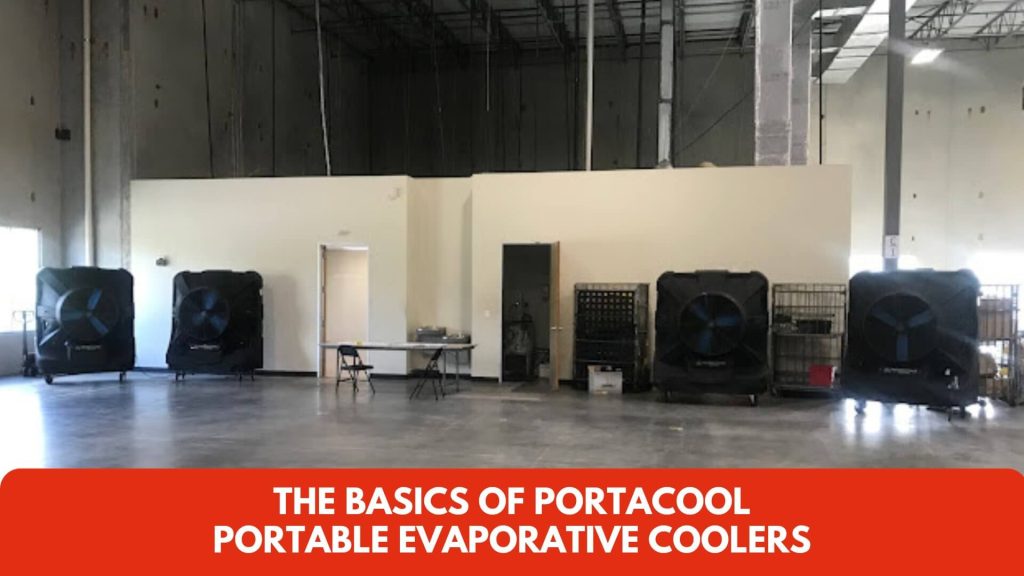
Portacool Portable Evaporative Coolers are innovative climate control solutions designed for spaces where conventional air conditioning falls short. These units excel by leveraging the natural process of evaporative cooling to efficiently lower temperatures in various environments.

Unlike traditional cooling systems, Portacool coolers operate without refrigerants, using water and a simple yet effective cooling mechanism. This unique design not only makes them more environmentally friendly but also significantly more energy-efficient.

These coolers are particularly useful in areas like open workshops, outdoor events, or large industrial spaces where traditional air conditioning is impractical. Their versatility and portability make them ideal for both temporary setups, such as rentals for events, and permanent installations in hard-to-cool locations.

Main Features of Portacool Evaporative Coolers

What makes these coolers so unique and useful? Here’s a rundown of their key attributes. 

Energy Efficiency

Portacool coolers offer substantial savings on energy bills, as they consume far less electricity compared to traditional air conditioning units. This efficiency translates into a more cost-effective cooling solution, making them a financially smart choice for both homeowners and businesses.

Their lower energy usage not only reduces costs but also aligns with environmentally conscious practices. This makes Portacool coolers especially appealing for those seeking eco-friendly solutions.

Environmentally Friendly

Portacool evaporative coolers are designed to be kind to the environment, operating without the harmful refrigerants commonly used in standard air conditioners. This attribute ensures that they do not release detrimental chemicals into the atmosphere, making them a greener choice.

Additionally, the lower energy consumption of Portacool coolers leads to a reduced carbon footprint. This aspect is particularly appealing to those who are conscious about minimizing their environmental impact while still enjoying effective cooling solutions.

Operational Simplicity

Setting up a Portacool cooler is a breeze, requiring no intricate installation procedures or extensive ductwork. These coolers are designed for user-friendly operation, allowing for quick and easy deployment in various settings, without the need for professional installation.

In terms of upkeep, Portacool coolers demand significantly less maintenance than traditional air conditioning systems, thanks to their simple mechanical design. This low-maintenance aspect, combined with their superior energy efficiency, makes them an ideal choice for both permanent installations and short-term applications like portable air conditioner rentals.

Durability and Design

Portacool Coolers are renowned for their robust construction, engineered to endure tough conditions and prolonged use. Their durability is a result of high-quality materials and manufacturing processes, ensuring longevity even in challenging environments.

The design of these coolers is equally impressive, focusing on user convenience and efficiency. Features like easy-to-move casters, ergonomic controls, and compact models cater to a variety of spaces, making them as versatile as they are durable.

Ease of Use and Control Features

Portacool Coolers are designed with user convenience in mind, featuring intuitive controls that make operation straightforward and accessible. Their simple interface allows users to effortlessly adjust settings, ensuring optimal cooling with minimal effort.

Additionally, these coolers are equipped with advanced control features like adjustable speed settings and automatic water level indicators. These functionalities not only enhance the user experience but also provide precise control over the cooling environment, catering to varied individual preferences and needs.

How Do Portacool Portable Evaporative Coolers Work?

Portacool evaporative coolers employ a straightforward yet effective process for cooling:

  • Housing: This cooler’s robust exterior is designed to withstand various environments.
  • Motor: The heart of the cooler, driving the fan to create airflow.
  • Fan: This component circulates air, which is essential for the evaporative process.
  • Pump: It plays a crucial role in moving water to the evaporative media, ensuring efficient cooling.
  • Reservoir: Varying in size, this tank stores water necessary for the cooling process.
  • Evaporative Media: Here, the magic happens. As air passes through this specially designed material, it cools down significantly.
  • Casters: Added for mobility, these wheels make it easy to move the cooler wherever needed.
  • Liquid-Level Indicator (LLI): An intelligent feature that monitors the water level, safeguarding the system against running dry.
  • Water Adjustment Valve: This allows for fine-tuning the water flow, and optimizing the cooling efficiency.

Each component plays a pivotal role in ensuring Portacool evaporative coolers function optimally. The seamless integration of these parts results in a practical, energy-efficient, and environmentally friendly cooling system. 

Should You Buy or Rent a Portable Evaporative Cooler?

Deciding between buying or renting a portable evaporative cooler hinges on your long-term cooling needs and budget. Purchasing a cooler is a wise investment if you require consistent cooling over an extended period, offering long-term savings and the convenience of owning the unit.

On the other hand, opting for portable air conditioning units for rent is a flexible solution for those who need cooling on a temporary basis. Renting eliminates the concerns of long-term maintenance and storage, making it a cost-effective option for short-term use, such as events or seasonal needs.

Renting also allows access to a variety of cooler models, tailoring to specific requirements of different spaces or occasions. This flexibility is especially beneficial for businesses or individuals who face diverse cooling challenges and prefer not to commit to a single model.

Final Thoughts

Portacool Evaporative Coolers present a unique and efficient solution for a wide range of cooling needs. Understanding their core functionality and benefits is crucial for making an informed decision, whether you’re looking into Port o cool rentals or purchases.
When choosing a Portacool cooler, consider its unparalleled energy efficiency, environmental friendliness, and the specific requirements of your space. For more information on how evaporative coolers, contact the trusted experts at Preferred Climate Solutions.
, , , ,
how to choose the best indirect fired heaters 1
Blog

Using the right type of heating solutions is crucial for efficiency and safety, and indirect fired heaters stand out as an ideal option in many situations. 

Navigating the options of indirect heaters can feel overwhelming, but understanding their specific features simplifies the decision-making process. Here’s everything you need to know about the best indirect fired heaters, including how they work, where they’re used, and how to choose the perfect type for your project. 

Understanding Indirect Fired Heaters

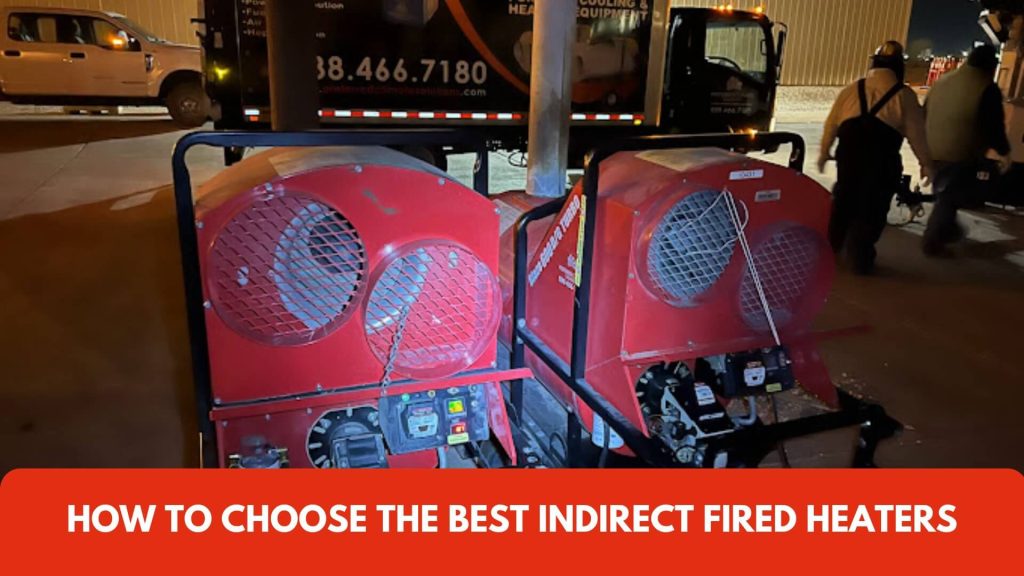
Indirect fired heaters are distinct heating systems that operate by warming air through a heat exchanger, not directly exposing the environment to flame. This unique mechanism separates them from other heating options, offering enhanced safety and flexibility.

Commonly, these heaters are employed in settings where direct heating is impractical or unsafe, such as construction sites, industrial facilities, and outdoor events. Their adaptability makes them ideal for a wide range of applications, ensuring consistent heating without direct fire exposure.

Pros and Cons

Let’s examine the advantages and disadvantages of indirect fired heaters.

Pros:

  • Safety: By eliminating direct flame, indirect fired heaters significantly reduce the risk of fire hazards, ensuring a safer environment.
  • Versatility: Adaptable to various settings, these heaters are suitable for everything from temporary event spaces to permanent industrial installations.
  • Controlled Heating: The design allows for precise temperature control, providing consistent and efficient heating suitable for sensitive environments.

Cons:

  • Efficiency Trade-off: While safe and versatile, these heaters may not be as efficient as direct fired heaters in terms of fuel usage.
  • Higher Costs: The advanced design and safety features often result in a higher initial investment compared to other heating options.
  • Maintenance Requirements: Regular maintenance is crucial for these systems, potentially leading to additional upkeep costs and efforts.

Types of Indirect-Fired Heaters

The world of indirect fired heaters is diverse, with each type offering distinct benefits tailored to specific needs and environments. 

Portable Heat Pumps: These heaters stand out for their flexibility and ease of relocation, making them perfect for temporary or changing spaces like event venues or construction sites. Portable heat pumps are known for their energy efficiency and can provide consistent heating without the need for a permanent installation.

Salamander Electric Heaters: Salamander heaters are renowned for their rapid heating capabilities, making them ideal for quickly warming up spaces like workshops or garages. Their design focuses on delivering high heat output in a short time, which is particularly beneficial in colder climates or in situations requiring immediate warmth.

Ductable Heaters: These are versatile indirect fired heaters that can be connected to ductwork to distribute warm air throughout a larger space. They are especially useful in situations where heating needs to be targeted or spread over a wide area, such as in large warehouses, event tents, or during construction projects.

Trailer-Mounted Heaters: These are large, powerful indirect fired heaters that are mounted on trailers for easy transportation. They’re ideal for very large spaces or outdoor applications, such as in mining operations, disaster relief situations, or large-scale outdoor events. 

Key Factors in Choosing Indirect-Fired Heaters

Selecting the right indirect fired heater involves carefully considering several key factors to ensure you choose a heater that efficiently and effectively meets your specific needs.

Assess Capacity and Heating Power Requirements

Start by evaluating your specific needs in terms of capacity and power. The right size and power are essential for optimal performance. Avoid under or over-sizing to prevent inefficiencies or inadequate heating.

Fuel Efficiency and Cost-Effectiveness

Focus on fuel efficiency and overall cost-effectiveness. It’s essential to weigh the initial investment against long-term operational costs. Factors like fuel types and consumption rates significantly affect your budget and efficiency goals.

Versatility and Mobility

Consider the heater’s versatility and mobility, especially for temporary or rental needs. The ease of installation, transportation, and adaptability to various environments is crucial. This is particularly relevant for sites like construction areas or events requiring temporary heating solutions.

Environmental Impact and Eco-Friendly Options

Finally, think about the environmental impact of your heating choice. Opting for eco-friendly heaters that have lower emissions and energy-efficient designs is beneficial. Look for options that use renewable or less polluting fuel sources to minimize your carbon footprint.

Maintenance and Longevity of Indirect Fired Heaters

Consistent maintenance and routine inspections are pivotal for the smooth operation of indirect fired heaters. Regular checks should focus on components like the heat exchanger, fuel lines, and electrical connections. Neglecting them can lead to decreased efficiency, higher fuel costs, and potential safety risks. 

Essential maintenance routines often include cleaning, checking for blockages, ensuring proper ventilation, and closely monitoring the heater’s performance. 

  • Regular cleaning helps prevent the accumulation of dust and debris, which can hinder efficiency and safety. 
  • Inspecting for blockages ensures that air and fuel can flow freely, crucial for optimal operation. 
  • Adequate ventilation is essential not only for efficient operation but also for ensuring a safe environment for users.

Adhering to the manufacturer’s specific maintenance recommendations is vital. Each model may have unique requirements or guidelines that, when followed, extend the life of the heater and maintain its efficiency.

Buying vs. Renting: Which is Best?

When it comes to utilizing indirect fired heaters, purchasing them outright isn’t the only option. Indirect heater rental offers a flexible alternative.

The benefits of renting, such as with a temporary heater rental, include not having to worry about long-term maintenance or storage. Renting is also cost-effective as it allows users to pay only for the duration the heater is needed.

Renting also provides the opportunity to choose from a variety of models, such as portable heat pumps or salamander electric heaters, depending on the specific needs of the occasion. This flexibility is ideal for businesses or individuals who require heating solutions for different types of events or projects, without the burden of maintaining a fleet of heaters.

Final Thoughts

Indirect fired heaters offer many unique and valuable benefits in a wide variety of situations. Whether you decide to rent or buy, the first step in making an informed decision is understanding their basic functionality and purpose. 

When selecting an indirect fired heater, consider the fuel efficiency, power, type, and other factors listed above. Armed with your new knowledge, you’re ready to find the best indirect fired heater for your needs.

, , , , ,
Scroll to Top