
Author name: pcsadmin

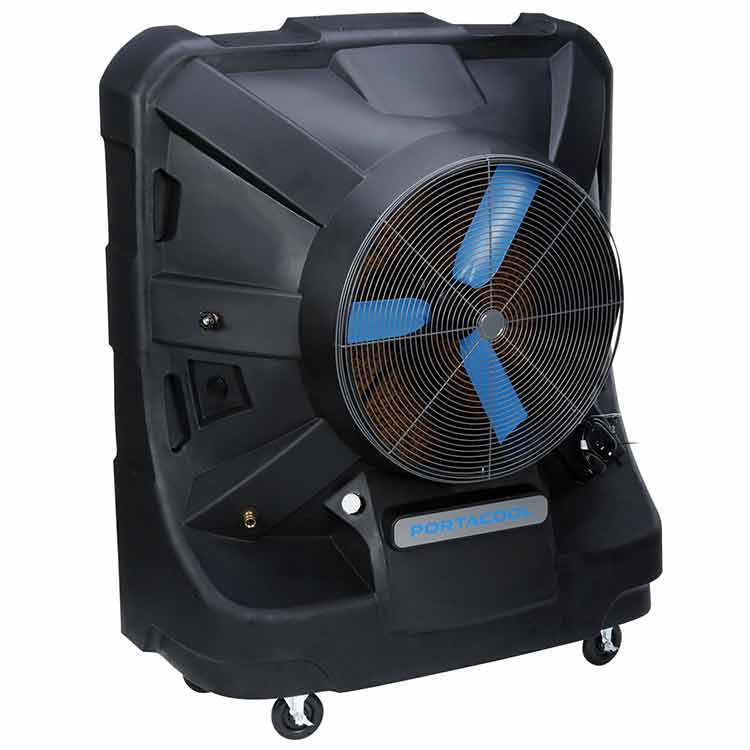
portacool pacjs2601a1
Blog

Evaporative air coolers are an excellent way to beat the heat without a central air conditioning system. Understanding how they work is an essential part of determining whether or not they are right for your home.

The following are 10 things you may not know about evaporative air coolers.

What They Are

Evaporative air coolers are air conditioners that use evaporation to cool the temperature of the air. Water turns from a liquid to a gas when it evaporates, and the particles with the highest energy will leave the water first. This leads to a significant drop in temperature. This process can help lower the temperature of the air in dry environments.

How They Work

An evaporative air cooler works by lowering the temperature of the air in your home by automating the process of evaporation. The machine will consist of a fan, reservoir for water, padding and controls to regulate the results. Hot, dry air is drawn into the machine by the fans and goes across the padding. The pads have layers to absorb water from the reservoir. When the air goes across the padding, the molecules of water evaporate on the surface. This causes the temperature of the air within the cooler to drop significantly. This cold air is then blown into your room, providing a sufficient amount of cooling.

They are Energy Efficient

Evaporative air coolers require much less energy to operate in comparison to central air conditioning systems. The fan within an evaporative air cooler is the only part that requires power. A central air conditioning system must use a compressor to push down the liquid refrigerant into a smaller area. The refrigerant then needs to be moved to a heat exchanger to extract the heat from the air. This process requires more power output in order to operate properly.

They are Sustainable

Since evaporative air coolers require less energy to operate, they are more sustainable for the environment. This means that you will have a much smaller carbon footprint, and can save a considerable amount of money when paying for your electrical bills.

Opening Windows

The goal of a central air conditioning system is to trap the cold air within your home. This means that it is counterintuitive to leave any windows or doors open within your home. The cold air will escape, and defeat the purpose of the air conditioner. It is actually advantageous to leave your windows open when using an evaporative air cooler. They need a stream of fresh air to operate, and an open window can provide this air. The intake fan will draw dry air into the cooler to evaporate. Humidified air will build up from the use of an evaporative air cooler, and an open window can allow this undesirable air to escape. Try experimenting with the window to see how much of it you should leave open for optimal comfort.

Do Not Use Ice

The use of ice in addition to water can slow down the process of evaporation, and make it take much longer for cool air to come out. The water actually needs to be heated up in order for it to evaporate, and the use of ice will prevent this from happening quickly. However, there are water reservoirs that are equipped with an ice pack that can be used.

Replenish the Water Supply

If you stop using your evaporative air cooler for an extended period of time, the water within the reservoir can start to build up with mildew and mold. Regularly replace the water and clean the reservoir to help prevent this from happening. This will allow it to function properly, and provide you with clean, cool air.

Get the Correct Size

Different sizes of evaporative air coolers are designed to cover different sizes of area within your home. You may find that smaller coolers are not suitable for your living area, so you may need to purchase multiple or a larger one. If you purchase a cooler that is too large, it could cause your living area to become too cold for comfort. The manufacturers will provide you with a recommendation for how large the area should be for the cooler.

Can Be Used as a Fan

Evaporative air coolers can be used in the same way that you would use a commercial-grade fan. This can be achieved by simply not adding water to the reservoir. The heavy-duty fan may provide you with the comfort you desire in an indoor or outdoor setting.

Portable

Most evaporative air coolers are easy to transport, so they can fit a variety of needs. You can take them camping, use them for breaks when hiking, sporting events or just bringing them to a different area in your home. An added benefit to this is that they will naturally repel bugs when used outdoors.

Conclusion

Knowing the important information about evaporative air coolers can help you decide if they are the right choice for your home. Energy efficiency and sustainability are some of the greatest benefits of using them. This will greatly reduce your impact on the environment, and save you money on electrical bills. There are several ways that you can maximize your usage of them by keeping a nearby window open to bring in the fresh air, regularly replenish the water reservoir with clean water, getting the correct size and avoiding the use of ice. They are incredibly convenient, because of their small size and portability. This makes them an excellent choice for people that are always on the go and need an extra source of cooling. Even if you do not use them as designed, they can be used as a commercial-grade fan. While it can be a hassle to maintain in comparison to a central air conditioning system because of having to replenish the water, the money you save can be well worth it.
homepage bg outdoorac 1
Blog

When most people think of efficient cooling methods, they tend to picture a fan or an air conditioner. An evaporative air cooler is another option that provides you with the cooling that you desire with additional benefits.

The following is why evaporative air coolers are better than other cooling devices.

Energy Efficiency

Central air conditioning systems require a significant amount of energy to operate properly. There are multiple parts that need power, and all of these add up. This can drive up the price of your electrical bill in comparison to using an evaporative air cooler. The only part of an evaporative air cooler that requires power is the fan. This means that your home will be more energy-efficient, leading to a cheaper energy bill.

Easy to Maintain

When a central air conditioning system becomes damaged or stops functioning properly, it may require an expert to fix it. This means that you will have to spend a considerable amount of money in order to repair it. An evaporative air cooler is incredibly easy to maintain and install in your home. As long as the fan is working properly and the padding is intact, the only maintenance that is required is to replenish the water supply. The water reservoir in an evaporative air cooler can start to build up mold or mildew after extended periods of not using it.

Affordability

An evaporative air cooler will vary in price depending on the size and other features, but they are generally less expensive than a central air conditioning system. The initial investment is much more accessible, and you will also save money over time.

Sustainability

Since evaporative air coolers require less energy to operate, you will reduce your carbon footprint. Impact on the environment is a common concern due to the effects of climate change. Choosing to use an evaporative air cooler over an air conditioner can greatly lower your impact on the environment.

No Disruptions

Air conditioners tend to make loud noises when they are recirculating cool air. Evaporative air coolers operate quietly in the background, and will not disturb you. They are also fairly small in size, so they will not take up much space within your home.

Fresh and Clean Air

Air conditioners work through a process of recirculating the air within your home, which means that the same air will be used repeatedly. Evaporative air coolers require fresh and clean air to operate, and this is exactly what it will circulate throughout your home. This will ensure that the air within your home does not become stale.

Portability

Many people find that they need a source of cooling when they are on the go. This can not be accomplished with a central air conditioning system, but it can be done with an evaporative air cooler. They are great to use when you are camping because you can plug them in from inside the camper. They can also be used at any other location with an outlet such as a park or sporting event.

Can Be Used in Dry Areas

While evaporative air coolers cannot be used in humid environments, they can operate properly in dry environments. This means that an air conditioner is a more suitable choice in humid areas, and an evaporative air cooler is more suitable for dry areas. 

Industrial Usage

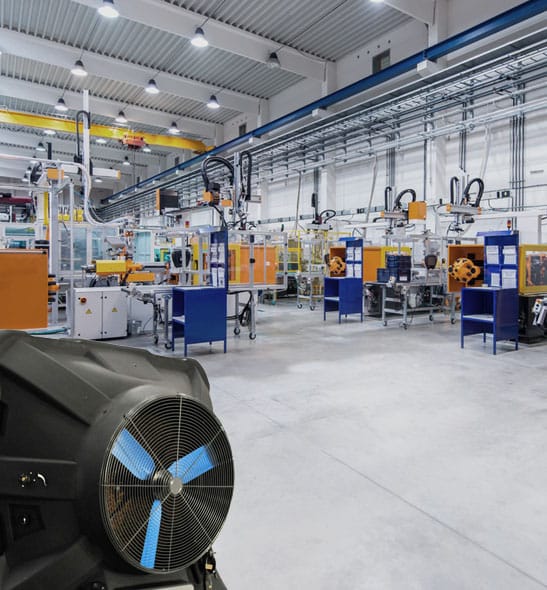
Industrial warehouses tend to leave the doors open throughout the day to allow workers to easily enter and exit the warehouse. This means that a central air conditioning system would not work optimally because the cool air will escape. Evaporative air coolers are designed to use fresh air, so they are the better option for industrial usage.

Features to Look For

There are several features that you should look for when purchasing an evaporative air cooler. The water tank capacity is an important aspect because it will determine how long the cooler can run before it needs to be refilled. The larger the tank, the more time you will have before needing to refill it. There are non-portable evaporative air coolers that you can install in your home. This means that you will be sacrificing portability for less maintenance. You can connect the installed air cooler to a water supply and let it run. The part of the cooler where you refill the water is also important. It should be located in a spot that makes it easy and convenient to refill.

Disadvantages

While evaporative air coolers have plenty of advantages over central air conditioning systems, there are still some disadvantages. Evaporative air coolers increase the levels of moisture in your home, which can cause a clammy feeling. This also means that they are not suitable for humid environments. They will also not lower the temperature as much as a central air conditioning system. The maintenance is simple to perform, but they do require a regular water source and may need to be maintained on a daily, weekly, monthly or yearly basis. Having to keep a window open also means that they are not suitable for extreme weather conditions.

Conclusion

Evaporative air coolers and central air conditioning systems are both viable options for cooling your home. Evaporative air coolers offer a variety of advantages that can save you money and lower your impact on the environment. They prevent the air within your home from becoming stale because they bring in fresh air from outside. They are portable and appropriate for outdoor usage in a variety of settings. There is no noise transmitted from them, and they do not take up too much space. Easy maintenance means that you will be spending less money on repairs. One of the greatest advantages is their suitability for industrial usage. Warehouses can become incredibly hot and dry during the summer months, and this can lower the productivity of workers. While there are a few disadvantages over a central air conditioning system, evaporative air coolers stand out as the better option.

Application Pic 1
Blog

With the spread of the coronavirus pandemic, it seems that we are getting in new information every day. Much of that consists of how the virus is spread and what behaviors and activities make you more or less susceptible to contracting COVID-19. We have some idea of how the virus can be transmitted through certain surfaces like

  •  Boxes and bags.
  •  Clothes.
  •  Countertops.
  •  Other surfaces in and out of your home.

But how much do we know about how the virus spreads through the air? CDC recommends social distancing, and that a safe distance to maintain from others is at least 6 feet. More is better if you can. 

One question that we have been getting recently is in regards to spreading COVID-19 through your home or office air conditioning system. 

Can COVID-19 Spread Through Air-Con Systems?

Thankfully, there is no current evidence that supports that COVID-19 can be spread through air conditioning systems. This was recently supported by Professor Leo Yee Sin, who is the executive director of the National Center for Infectious Disease (NCID). 

A recent study by NCID researchers did find that the virus that causes COVID-19 could be found in isolation facilities, which included air ducts that were connected to the rooms of infected patients. However, the research did not support that the disease is an airborne one. The preliminary research that we have on COVID-19 as of now shows that respiratory droplets are the main transmission mechanism through which the virus is spread. 

That NCID study, which was just published in JAMA in the last few weeks, did find that patients that had been infected with the virus could cause sizable contamination to their immediate surroundings. This was specifically in regards to their isolation room before it had been cleaned. 

This study examined samples from the toilet bowl and sink of a single patient that had tested positive for the virus. Pre-cleaning, those surfaces tested positive, but after cleaning, the test samples from these areas came back negative. This was not only a way of testing for the virus on surfaces but also a way to assess if the current means of decontamination were effective. 

Though this prompted headlines around the globe that the airflow of water droplets could be a means for transmission. Professor Leo has gone on to explain the purpose of the study was to examine environmental contamination. Not how the virus is spread. 

We have seen that the virus can be transmitted via surfaces in isolation facilities. To find out if the virus can be transmitted by air and not just through respiratory droplets, this requires a different set of experiments and testing. 

Professor Kenneth Mak (director of medical services at the Ministry of Health) said the discoveries that were made in this recent NCID study were indeed in line with what we currently know about the virus being transmitted primarily through respiratory droplets. He also noted that there are some significant differences in isolation facilities’ air conditioning and ventilation systems when compared to the ones that we have at home. 

In most homes, air vents are located higher in the room, whether on the walls or in the ceiling. In isolation rooms, vents are typically located around the floor or at the bottom of a room. This can lead to respiratory droplets collecting around them via sneezing, coughing, and gravity pulling those droplets down and around those vents. 

With vents and vent systems located higher in individual rooms and not necessarily open in a way that would expose it to contamination, it would be highly unlikely that COVID-19 could spread through your air conditioning system or your home’s ventilation. 

Say you are in a home with 3 other family members, and one of your family members tests positive for the virus. With the information and research, we have access to now, self-quarantining them to a room or closed off area of your home is effective for the spread of the virus. 

With what the most recent research shows, it seems highly unlikely that this infected individual could sneeze and spread the virus through the ventilation or air conditioning system in your home. It is far more likely that another individual in your family would contract the virus by being exposed to it through:

  •  Respiratory droplets.
  •  Surface contact.
  •  Contaminated clothing or fabric. 

As of now, we do not have supporting evidence that shows that COVID-19 can be spread through our home air conditioning and ventilation systems. With the proliferation of international news during this time, we can expect that the CDC, WHO, as well as other national, regional, and international health organizations, will be reporting any updates on the spread and transmission of the virus, if and when they discover new information.

swamp coolers stablel
Blog

There are many ways that you can effectively cool your home, office, or work area, no matter how great or small it is. Thankfully, air conditioning and climate control technology gives us a variety of effective options for keeping our immediate environment at a comfortable temperature. 

One question we get quite often in our field is “what is the difference between air conditioners and evaporative coolers?” Many people believe that cooling technology is cooling technology, and as long as the result is a cooler environment, it doesn’t really matter how you get there. The reality is that the most effective method for cooling your immediate environment is dependent on several key factors. That being said, there are some unique benefits of using evaporative coolers vs. air conditioners and vice versa, depending on your needs and circumstances. 

Key Takeaways on Evaporative Cooling

Evaporative coolers, also known as swamp coolers, are great for cooling large areas, especially in dry, hot climates and weather. Here are some of the key takeaways and top things you need to know about evaporative cooling, including some of the unique benefits and costs associated with it: 

  • They are economical to use and operate. 
  • Evaporative coolers are very energy efficient. 
  • They work really well in hot, dry climates. 
  • They produce fresh clean air to circulate around your home or surrounding environment. 
  • They are inexpensive to install. 
  • They require very little in terms of maintenance. 
  • They are environmentally friendly and have very low carbon monoxide emissions. 
  • Evaporative coolers add cool moisture to the air. 
  • They allow for open doors and windows. 
  • Evaporative cooling units don’t make a lot of noise while they are running. 

Overall, there are a lot of unique benefits that come with installing and using an evaporative cooler (or swamp cooler) in your immediate vicinity. 

Key Takeaways on Traditional Air Conditioners

Air conditioners and AC units are what we think of when we consider cooling in homes, offices, and other climate-controlled areas. Here are some of the key takeaways, unique benefits, and costs of using a traditional air conditioner vs. other methods of cooling. 

  • They have a higher operating cost than other cooling systems. 
  • Air conditioners also use more energy than evaporative coolers and other forms of cooling. 
  • Air conditioners are effective in any climate imaginable, both humid and dry weather. 
  • They use recirculated air to cool the air in the surrounding indoor environment.
  • They have much higher upfront installation costs than other forms of cooling. 
  • Air conditioners require regular cleaning and maintenance. 
  • AC units have much higher emissions in comparison to other cooling systems. 
  • They remove moisture from the air, to take advantage of dry cooling.
  • They are very effective in enclosed spaces like homes, rooms, and offices. 
  • They can make a lot of noise when they are running. 

Air Quality of Evaporative Coolers vs. Air Conditioners

Evaporative coolers work best for circulating outside air throughout your home, office, or the environment they are set up in. This keeps fresh air in the area and keeps it from becoming stale. Traditional air conditioning unit technology takes the air from within a home or area, processes it through the cooling system, and recirculates that cooler, interior air within the home. This process is efficient but can lead the inside air to feel staler. 

For air conditioning units to work at maximum efficiency, you need to make sure that your windows and doors are closed. Conversely, you can use evaporative coolers with windows and doors open. 

Operational Costs of Evaporative Coolers vs. Air Conditioners

Most evaporative cooling units or swamp coolers are incredibly energy efficient, which makes them a nice choice for people who want to pick a cooling solution that is a little more economically conscious. One of the reasons that many people really like using evaporative coolers for keeping an area cool is because they cause far less to install and they are very inexpensive to maintain and repair. 

With that, you can get evaporative coolers that are mobile, so you can roll or relocate them to different areas that you need them in. As long as you give your evaporative cooler some minimal seasonal maintenance, it should work in tip-top shape for years to come. Evaporative coolers work best and most efficiently in areas that are dry and hot. They don’t work as well or seem as effective in areas of high humidity. 

Operational costs of air conditioners are relatively low as well, but they do require more in ongoing maintenance. Since many AC units are housed outdoors, they need a little more maintenance than indoor evaporative coolers. The benefit of a central air conditioning unit is that it can efficiently cool a larger area than an evaporative cooler. 

Moisture levels of Evaporative Coolers vs. Air Conditioners

Evaporative coolers add moisture to the air in your surrounding environment. It works to cool your home, office, or immediate area through the process of evaporation. That makes them great for people with dry eyes and dry skin. Traditional air conditioners work to remove moisture from the air, to make the air less wet and humid. 

Environmental Concerns of Each

Traditional air conditioners take a lot of energy and power to run and typically have higher levels and rates of emission than evaporative coolers. The upside is the AC units are powerful enough to cool an entire house or a large indoor area. Evaporative coolers have much lower emissions than AC units. They also cause far less noise pollution than traditional air conditioning units, if that is a concern in your area. 

Other considerations

The type of cooling system that you choose is largely dependent on when, where, and how you intend to use it. Swamp coolers and evaporative coolers are great for hot, dry climates and cooling smaller areas, whereas ACs provide a dryer air and are able to larger areas much cooler.

indirect fired heaters 200D
Blog

Having a heater for your place is essential. Whether you buy or rent a heater depends on a variety of circumstances. Some heaters can be quite expensive, so it’s vital to think about your options before you make a final decision.

Here are a few tips to help you decide or you should buy or rent a heater for your place.

Is the heater for a permanent or temporary residence? 

Do you rent an apartment, or do you pay a mortgage on a home or condo that you have purchased? Whether you own or rent your place will help you decide on renting or buying a heater. If the place you’re living in right now is only temporary, then renting a heater is your best bet. You will save money, and when you move, you don’t have to worry about lugging the heater with you. You can simply return the heater to the heater rental company.

If you live in a more permanent location, buying a heater will be better for you. If you intend on living in your home or condo for many years to come, you should invest in a heater that will make your living space more comfortable and livable.

How large is the space you need the heater for? 

Do you need a heater for your entire house or just for a small room? In the long run, it is better to invest your money and purchase a large heater for your home. Renting a heater for your home will cost you a lot of money in the long term and just isn’t sustainable – your electricity bill will be through the roof!

If you only need a heater for a small room, renting may be the better option because it will most likely save you some money. A small heater for a small room isn’t something that is going to cost you lots of money.

Do you need the heater because of an emergency? 

In an emergency, a heater rental is your best bet. A local rental company will be able to bring you the heater right away, which will make the situation less dire. For example, if you have your family over for a visit and your heater has stopped working, you should go ahead and rent a heater right away. You will save time and money, and your family will be very happy. In any emergency, renting a heater will be quick, simple, and of course cheaper than buying a brand-new one.

Renting a heater will always be quicker than buying one, because you may have to wait for a brand-new one to be delivered to you. While this convenience factor is important, make sure you have the budget to rent a heater. Because most of these rental heaters must be plugged into an outlet, they use a lot of electricity and may make your bills a little higher than usual.

Is your current heater broken, or just needs repairs? 

If your current heater has broken suddenly, you shouldn’t immediately go buy a brand-new one. You should find out if your heater can be repaired and decide if fixing the heater is worth it. While you’re figuring that out, it’s a good idea to rent a heater in the meantime. Your house, apartment or whatever location that is currently without a heater will need an immediate solution.

If you decide that it’s not worth it to repair your current heater, you’ll eventually need to purchase a new one. Until then, you can continue to rent a heater at your convenience. The new heater you decide to purchase may be coming in the mail via delivery or may take a few days for the heater company to come to install it. Heater rentals are great for times like those.

Does your landlord allow heaters? 

If you live in an apartment building, there is a chance that your landlord may prohibit some types of heaters. Some space heaters can be dangerous and your landlord may be concerned about a potential fire. Before you rent or buy a heater, you should speak to your landlord first to make sure they are allowed in your apartment building. This is especially important if you are buying a heater because you don’t want to waste a lot of money on something you won’t even be able to use.

Does the Current Weather Affect Your Decision? 

If it is currently summertime, you may not need to worry about buying or renting a heater right now. If your heater is broken and you know you will need a new one for the upcoming cold weather, you can use this interim of time to save some money. Buying a heater can be pretty expensive and renting one can be expensive if you rent for a long period of time. Whether you decide to buy or rent, you can use the summertime to save money so you can get the perfect heater for your home or apartment.

Overall Safety 

If you decide to rent a heater, you will need to think about the overall safety of the people you live with. Do you have young children? If so, you will need to be extra careful with a space heater. While some space heaters are battery-powered, there are some that you need to plug into an outlet to use. These can be hazardous for young children, so choose which space heater you rent wisely.

Do You Have Other Questions About Buying or Renting a Heater? Contact Preferred Climate Solutions Today!

Our team of heating and cooling experts is ready to help you buy or rent a heater. We can help you with any heat or air conditioning problems you have, and we are available 24/7 for HVAC issues. Our staff is well-trained and very experienced, and we are looking forward to working with you. Click here or give us a call at 888-466-7180.

airscrubbers fimg
Blog

Maintaining the air filter on your heater will make the heater last for a long time and it will keep it working properly. Here are some easy steps for how you can maintain your heater’s air filter.

Clean Them Regularly 

Air filters need to be cleaned in order to continue to work properly. Of course, you should check to see if there are directions with your particular air filter regarding its cleaning. Some air filters have specific cleaning instructions. Otherwise, you can vacuum air filters and use a damp cloth to clean them. If you notice that your air filters are particularly dusty or dirty, it would be best to replace them instead of continuing to clean them. Sometimes air filters are too dirty to use again.

Replace Them Regularly 

Heater air filters need to be replaced regularly. All different types of heaters have different filters, so make sure you purchase the right one. As a general rule, you should change one and two-inch filters every three months, four-inch filters every six months, and five-inch filters once a year. In some cases, you may need to change filters more frequently. If the filter is visibly dirty, the heater is running very frequently, or you notice a strange smell coming from the heater, you should change the air filter right away.

Do Not Smoke in Your Home 

Smoking in your home on a consistent basis will create a residue that will stick to your air filter. If you have multiple people smoking in your home, it will be even worse. If you want your air filter to last for a decent amount of time, avoid smoking indoors. People who smoke indoors usually need to change their air filters three times as often as people who do not smoke.

Do Not Frequently Leave Windows and Doors Open 

Leaving windows and doors open all the time will allow dirt and debris into your home, which will stick to your air filter and prevent it from working properly. This will shorten the life of your air filter very quickly. If you want your air filter to last, try to remember to close your doors and windows after coming inside for the day. Leaving doors and windows open for a short time is okay but doing so for a long period of time will have a negative effect on your air filter.

Do Not Leave Your Heater Fan Running

The longer you leave your heater fan running, the more often you will have to change your air filter. Try to remember to turn off the heater fan unless you absolutely need to have it on. By doing this, you will preserve the life of the air filter and your overall heater.

Clean Your Home Regularly

Excessive dirt and dust can clog your air filter very quickly. Cleaning your home regularly will prevent the air filter from getting dirty and needing to be replaced. Air filters should last for at least a month at minimum, and ideally, they should last for three months. Cleaning your home will lengthen the lifespan of your air filter and will help you avoid changing it too often.

Avoid Lots of Pet Fur 

If you have dogs and cats that shed their fur, then you should vacuum at least once or twice a week. Excessive fur can get into an air filter and clog it, which will stop it from working. While you can vacuum your air filter and get most of the fur off, it’s not good to vacuum the air filter every single day. It’s a better idea to vacuum your floors and furniture to prevent the fur from getting into the air filter in the first place.

Check on Your Air Filter 

Every so often, take a look at your air filter and make sure it looks okay. This small, but vital detail of your home can be easy to forget about, so maybe write this task down on a to-do list or put an alarm for it in your phone. Check on your air filter to make sure that it’s not dirty, ripped, or damaged in any way. Doing this can prevent accidents from happening and will ensure that you and your family are safe.

Maintain Overall Ductwork in Your Home 

The ductwork in your home is the pipe system that runs both hot and cold air through your home. They run from your heater or your air conditioning unit to all of the vents in your house so that way you can adjust the overall temperature in your home.

Maintaining the ductwork in your house is an essential aspect of keeping your air filter working properly. If dirt and debris remain in the ducts, then it will be in the air that goes through the filter and flows through the rest of your home. To ensure that your ductwork is clean and working properly, you should schedule an annual appointment with a duct service company. These companies specialize in ductwork and will be able to clean them and take care of any repairs. If you take care of this annually, you can be confident that you air filter won’t get clogged.

Don’t Forget About Overall Heater Maintenance 

The air filter on your heater is a small, but essential part of your heater. The heater is a vital part of your home and well-being, and its annual maintenance will ensure that it continues to work properly. You should have a heater specialist take a look at your heater once a year or even every six months just to be safe. If there is a problem with any part of the heater, including the air filter, the heater specialist will be able to repair it or suggest that you purchase a new heater.

Contact Preferred Climate Solutions today!

Do you have any other air filter questions? Contact Preferred Climate Solutions today. Our team of heating and cooling experts is ready to work with you. Click here or give us a call at 888-466-7180.


indirect fired heaters fimg
Uncategorized

Although Texas is known for its hot weather, it can get mighty chilly during the winter months. As the temperature drops, you need to find a heating solution for your business or worksite. Fortunately, with an indirect fired heater from Preferred Climate Solutions, you can get the heat you need without any hassle.

Because indirect fired heaters provide so much warmth and offer so many benefits, we want to break down what you can expect from this kind of machine. Here’s what you need to know.

Indirect vs. Direct Fired Heaters – What’s the Difference?

As you can probably guess from the name, the type of heating that these machines do is based on whether the air comes into contact with an open flame. Direct fired heaters will ignite the air passing through it, providing fast and efficient heat to your space.

Indirect fired heaters, however, work similarly to a residential furnace. The fuel and fire are contained within, but the heat goes to a stainless steel exchange element. As the element heats up, fans will blow the ambient air out. This means that the air coming from the heater is clean, with no combustible materials.

The Advantages of an Indirect Fired Heater

There are many different reasons why you would want this kind of unit in your commercial workspace. Here are our top benefits.

  • Fresh, Clean Air – you don’t have to worry about breathing in toxic elements such as carbon monoxide or gas. Because of this, you can place these heaters in a wider variety of spaces, even those without significant ventilation.
  • Maximum Recirculation – one of the best ways to save money on a heater is to keep the air recirculating inside. With an indirect fired heater, you can do that because there are no harmful byproducts produced by the heating element.
  • Precise Thermostat Control – like your home’s furnace, you can set the ambient temperature accurately without worrying about the space getting too hot or cold. Also, thanks to the recirculation, the air maintains a comfortable temperature the whole time.

The Disadvantages of an Indirect Fired Heater

While there are many reasons to get one of these models for your business, they aren’t ideal for all situations. Keep these factors in mind when picking out the best heater for your needs.

  • Less Fuel Efficient – since the flame isn’t touching open air, about 20 percent of the heat is lost in the transfer. While recirculation can help recoup some of this, these heaters are not as efficient as direct-fired models. Still, 80-percent heating is excellent for most situations.
  • Ventilation Ducts Required – although you can place these heaters in tight quarters, you still have to ventilate the combustible part. Running ducts outside can be tricky in some places, and it can make it more challenging to install and run a heater overall.
  • Higher Rental Cost – these models are much more complicated than direct-fired units, so you will have to pay more for a rental. Also, because of the ductwork involved, that can inflate the price as well. At Preferred Climate Solutions, we’ll work with you to minimize the expense as much as possible without diminishing your heat source.
  • Substantial Electrical Requirements – if your event or worksite is outdoors, you will need to have a generator to run this machine. Unlike direct-fired heaters that can use propane or other fuel, these models do require electricity to operate.

When to Use an Indirect Fired Heater

Now that you understand the pros and cons of this machine, let’s take a look at some of the instances where it can come in handy. At Preferred Climate Solutions, we also offer emergency heater rentals for when you need heat immediately.

  • Enclosed Office Spaces – if your central heating unit goes down, you don’t want your workers to be uncomfortable. These heaters are perfect for offices because they can produce constant ambient temperature. Also, electricity is easier to come by in an office building than outdoors.
  • Low-Humidity Environments – one of the issues with direct-fired heaters (and other models) is that they can either dry the air out too much, or they can add moisture as a byproduct. If your worksite needs to maintain a specific humidity balance, an indirect fired heater is your best choice.
  • Healthcare Clinics – because the air circulated by these models is clean, healthcare professionals don’t have to worry about aggravating patients in potentially delicate situations.
  • Retail Spaces – commercial shops can benefit from indirect fired heaters because they provide maximum comfort for both employees and patrons. Not only that, but you don’t have to worry about damaging products because of excessively dry air. For example, a hair salon would be a perfect place for this kind of heating.

Get Fast and Easy Installation With Preferred Climate Solutions

As we mentioned, one potential drawback of indirect fired heaters is that they are challenging to install. Fortunately, that’s not a problem for us. We will survey your space and provide the lowest-impact solution so that you don’t have to worry about disrupting your work area.

Our ducts can reach up to 150 feet, so no matter your situation, we can customize installation as needed. Also, since we provide emergency heater rentals, you don’t have to freeze for too long. Give us a call, and we’ll be out there as soon as possible.

We also offer multiple heating solutions, so if indirect fired heaters are not the ideal choice, we can still give you warmth and comfort. Call us today to find out more and see how we can benefit your business.

electric heaters
Blog

When it comes to portable heating, the heater you choose can make a world of difference. Whether you’re on a construction site, your building’s heat system went down, or you just want a quick and easy way to warm up, you need to know what will work best.

At Preferred Climate Solutions, two of our top options are salamander and infrared heaters. Today we want to illustrate the difference between the two so that you can understand which one is ideal for your particular situation.

Salamander Heater – How it Works

First of all, don’t let the name fool you – this kind of heater is standard. The name comes from the Spanish word for a wood-fired stove, which is Salamandra. According to legend, salamanders were thought of as fireproof, since they would often emerge from logs that were tossed onto a fresh fire. While that claim may be a bit dubious, the name stuck.

So, how does this model work? Well, you can either have a fuel-operated or electric model. At Preferred Climate Solutions, we offer electric salamander heaters because they are safer and easier to manage. However, either option works similarly.

Salamander heaters use a heating element, such as an electric coil or an open flame. A fan blows cold air over the component, heating it. Another name for this model is a “torpedo furnace,” since it shoots hot air out like a torpedo.

Advantages of a Salamander Heater

Since we only rent electric versions of this heater, we won’t discuss the pros and cons of using a fuel-operated model. Here are the top reasons why you would want a salamander heater at your worksite or building.

  • Fast and Efficient Heating – you don’t need to wait around to feel the heat from this machine. Once the coil is hot, you can get warm air immediately. Also, because it blows that hot air throughout the area, the ambient temperature will rise quickly as well.

  • Easy Setup and Maintenance – our heaters are just “plug and play.” As long as you have a reliable power source, you don’t have to worry about any kind of complicated setup. Also, the elements included in a salamander heater are less likely to malfunction or break down.

  • Wide Variety of Sizes – whether you need to heat a small space or a warehouse, our heaters are up to the challenge. We can either place multiple units strategically to maximize warmth, or we can bring a larger model to suit your needs.

Drawbacks of a Salamander Heater

Although this heater is ideal for many situations, it isn’t right for all purposes. Here are some considerations you need to make before ordering one from us.

  • Ventilation – The air can get hot really fast. If you don’t have a way of ventilating your space, it can get uncomfortable quickly. Fortunately, since our models are electric, you don’t have to worry about carbon monoxide or other fumes making the air toxic.

  • Fire Hazard – another downside of having such a hot surface is that it can burn things easily. You need to keep people and animals away from the heater at all times, as well as any flammable materials. Also, you have to wait for the heater to cool down before moving it or touching it.

When to Use a Salamander Heater

Fortunately, these heaters can work in virtually any situation. Some examples may include:

  • Office Space – if your building doesn’t have central heating, a salamander heater can work wonders, provided that it’s in a safe place.

  • Outdoor Events – putting a larger heater in a tent can keep it toasty, even if the weather is chilly.

  • Drying – flooding and other water damage can be minimized with a salamander heater.

Infrared Heater – How it Works

Salamander heaters use something called convection heating to bring up the ambient temperature of a room. An element gets hot, and a fan blows that heat around the space. Infrared heaters, however, work similarly to the sun. This means that they are much more precise and don’t have the same problems as a salamander heater.

Instead of a hot coil or open flame, infrared models use ceramic plates that focus on infrared waves. Usually, they use natural gas or propane to heat the plates, although electric models are available.

Because the heat is much more targeted, you don’t get the same ambient effect as a salamander heater. You have to be standing in front of the machine to feel warm. Other objects in front of the heater can also absorb the heat, so you have to be careful about what you place in its path.

Advantages of Infrared Heaters

Realistically, you don’t want to use one of these units to heat a large area since they don’t work that way. However, there are some tangible benefits to having an infrared heater in your office or worksite.

  • Energy Efficient Output – compared to other heaters, you can save a lot of money with an infrared model. They are 99-percent efficient, mainly because they don’t use a fan to blow the air around.

  • Precise Heating Control – if you want a particular space to stay warm without heating the rest of the area, this is the best option. For example, by an entryway so that people coming in and out of the cold can warm-up before moving on.

  • Quiet Operation – since there is no fan running, you can operate an infrared heater without disrupting your work.

Drawbacks of Infrared Heaters

Yes, there are benefits, but you want to consider these possible downsides before renting a heater from us. 

  • Not Suitable for Large Spaces – although they are energy efficient, the heat is too targeted to work for any big areas.

  • Ventilation Required – since these heaters use natural gas or propane, you need to run a vent outside. Not all spaces are capable of this, so be sure to check beforehand.

  • Fast Cool Down – this feature can be a benefit and a drawback. The advantage is that the plates aren’t a fire hazard when the heater shuts off. The disadvantage is that the heat will dissipate almost immediately.

Call Preferred Climate Solutions Today

No matter what your particular needs are, we have the heater for you. Contact us to see size and price options. We also provide emergency delivery if you need heat immediately.

heatpump fimg
Blog

Having an appropriately sized heat pump is more important than you may realize. Having the right size heat pump in your home or office is essential for making sure the indoor air temperatures is comfortable regardless of the outdoor temperature. However, determining the size that is needed goes beyond considering the square footage of the area that needs to be heated, the area the old pump took up or taking note of the size of an old heat pump. The average person likely does not have the knowledge base to accurately assess the proper size that is needed for a given area. Here is a basic overview that explains why having a properly-sized heat pump is crucial.

Air-to-Air Pumps

An air-to-air heat pump is capable of both heating and cooling. Generally, this type of heat pump is sized to provide the most heat that is required by a house or other building because a heat load is larger than a cooling load. However, that can result in a heating pump is too large to adequately cool a house, particularly in the areas of the country where it gets cold.

Humidity

Humidity is a huge factor in sizing heat pumps. The humidity level varies greatly from one region of the country to another. So, having the right heat pump will be different depending on where you live. If you do not have the proper size pump for the humidity level where you live, your system will short-cycle, which leads to poor humidity control. There is a good chance that the unit will not control the humidity level well. Further, they will likely have a shorter lifespan due to its frequent stopping and starting.

Oversized Systems 

A system that is too big for the area in which it is controlling the climate can be problematic. First it costs more than a smaller system, but that is not the only issue. Systems that are too large also do not work efficiently, the energy cost is higher and it does not produce the same comfort level as a system that is optimally sized would. When an oversized pump is used, the system will reach its optimum heat too fast and shut off often. This situation results in greater temperature fluctuation and poor humidity control. Plus, the system will have to work harder to distribute air.

Undersized Systems 

A system that is too small for the area in which it is controlling the climate can also be problematic. A system that is too small will work at its maximum capacity until it reaches the designated temperature. It can go non-stop if it cannot keep up with the demands of the thermostat. When the system works this hard, the quality of the air temperature suffers and you risk having the compressor fail from working too hard. Ideally, you want a heating system to work quickly and with less stress. That way less energy is used and a comfortable temperature can be better maintained.

The Manual J Method 

Throughout the HVAC industry, professionals use the Manual J method to determine the optimal heat pump size for a house. This method takes into account a comprehensive list of energy-related aspects of your home. A professional can come to your home and assess your needs and the requirements that are needed to fulfill them. Once all the data is taken and considered, a technician can set you up with the perfect heat pump for your house.

Sizing a Heat Pump Yourself 

Since having the right sized heat pump for your home is so important, it is important for you to know exactly what size you need. Although your best bet is to call an HVAC professional so you can be confident that someone with knowledge and experience is assessing the situation. you can do it yourself if you have confidence in your abilities. Here are some helpful tips on what to consider  when determining the best size heating pump for your house:

  • How many windows you have. 
  • The insulation you have. 
  • The amount of air that gets into your home. 
  • Your local climate and how many days a year you need heating and cooling. 
  • The size and shape of your home. 
  • The number of people living in the home and the temperature and humidity preferences of those people. 
  • Any appliances in the home that generate heat. 
  • Landscaping can affect the house’s temperature. 

Having the Right Heat Pump Size 

When you have a heat pump that is the ideal size for your home, you will experience many benefits from it. Heat pumps that are the proper size use less electricity and allow your heating system to work more efficiently. So, they offer an inexpensive way to heat and cool your home. Further, when you have a heat pump that fits the size of your home, you allow it to work cleanly and quietly, which is beneficial to anyone inside the home.

Having the right size heat pump for your home is incredibly important for a variety of reasons. Not only can it save you money, but it also runs cleaner, so it is better for the environment. Using a heat pump that is either too big or too small can cause your system to work too hard and you put it in danger of failing, especially when you need it the most. The best way to determine the ideal heat pump size for your house is to consult with an HVAC professional. Contact Preferred Climate Solutions today to see how we can help you.

swamp coolers stablel
Blog

Have you been thinking about what type of air conditioner and heating unit that you want to be installed at your home or office? Beyond recognizing that we are going to need heating and air in our new home or office space, many of us don’t typically think of what type of unit we are going to need to keep our home or work areas at a comfortable temperature.

If you aren’t familiar with the different kinds of air conditioning and heating units that are available to you, there are four primary types.

  •  Split systems
  •  Hybrid systems
  •  Duct-free systems
  •  Packaged heating and air systems

Here is an overview of each type of system so that you can decide which heating and air unit work best for your needs, climate, and budget.

Heating and Cooling Split System

Split systems are the most commonly used HVAC system in the industry. The name “split system” describes a dual function system (for both heating and air, respectively) that are split between two different units. One that is an air conditioning unit that will cool your area during the warmer months, and the other unit for heating which will keep your area nice and toasty during the fall, winter, and early spring.

If you were to walk around most of the homes in a given neighborhood, you will see the cooling unit positioned somewhere outside of the home. The cooling unit on a split system will have.

 The refrigerant inside of the AC unit

  •  Air compressors
  •  Coils
  •  and a fan

The refrigerant, air compressors, and coils within the unit are used to cool the hot air that the air conditioning unit sucks in from the outside. The fan within the AC system is used to extract the hot air from inside of your house, and blow it outside.

The heating unit on a split cooling system is normally placed in a basement or a covered storage area outside of the home or office building. Heating units in a split unit system normally use gas for energy to heat the inside of a structure. The heater uses either a fan or some type of evaporator to circulate the warm air within your space. A thermostat is used to control the temperature of both the air conditioner and the heating unit.

Why are split systems the most widely used?

Split heating and cooling systems are the most popularly used types of HVAC solutions because they don’t have a lot of climate or environmental factors that would either inhibit or enhance their use.

Hybrid Split System

What are the key differences between a hybrid split system and your standard split system? 

Hybrid split systems are unique in that they give you, the owner, the ability to choose what type of heat you want to run your heater off of. It gives you the option to toggle between gas or electric power. The advantage of tapping into gas is that gas energy gives you the ability to sustainably heat your area in the quickest way possible. Though, depending on what your gas utility costs are, this can be more expensive than running your heat off of electric power. The advantage of using electrical heating is that it is more energy-efficient. Running on electric heat can save you on energy costs while serving as a significantly quieter means of heating your space.

Why would I choose a hybrid split over a traditional split system

Though a hybrid system may seem like a more sensible choice for giving you the option of either electric or gas heat, these hybrid systems function better and are more effective in mild or moderate climates. They can be an excellent way to save money on your energy bill during the winter.

Duct Free (Mini-Split) System

The duct-free system is commonly known as a mini-split system. These are the systems that you think of when you see individual air conditioning or heating units mounted in windows, walls, or above doors around a house or office area. They considered duct-free because they don’t require a duct system that runs throughout the interior of your area like central HVAC units use.

The downside of duct-free systems is that they can have the most expensive upfront cost. You are footing the bill for multiple heating and cooling units to cool designated areas within your home or office, as opposed to one or two central units that will heat and cool the entire indoor area.

The upside to a duct-free system is that your individual climate control of each individual’s room that you have a system mounted in. If you want to run your AC or heater in one room but not another, a duct-free heating and cooling system make it easy to do that. As such, this type of system can be a great way to conserve energy and save money in the long term, as you won’t be wasting energy on rooms or areas of your space that aren’t used as regularly as others. Be aware that this type of system does require vigilant cleaning and maintenance.

Packaged Heating and Air

This is perhaps the least seen and most unique type of heating and air unit on the market. This is a single unit that contains both heating and air conditioning capabilities. These are difficult to spot because they are commonly installed either in an above-home storage area or the attic.

These are compact units that don’t take up a lot of space, which makes them ideal for smaller houses and homes. Another huge plus to a packaged heating and air system is that they are easier to maintain than other types of units. You ordinarily find these types of units in climates that have mild winters, because the electrical heating units on these aren’t as efficient as the larger heating units that we have covered thus far.

What type of system should I get?

All of these heating and cooling systems come with their unique advantages and disadvantages. If you aren’t sure which type of HVAC unit would be best for you, contact our experts at Preferred Climate Solutions today.

Scroll to Top