
Author name: pcsadmin

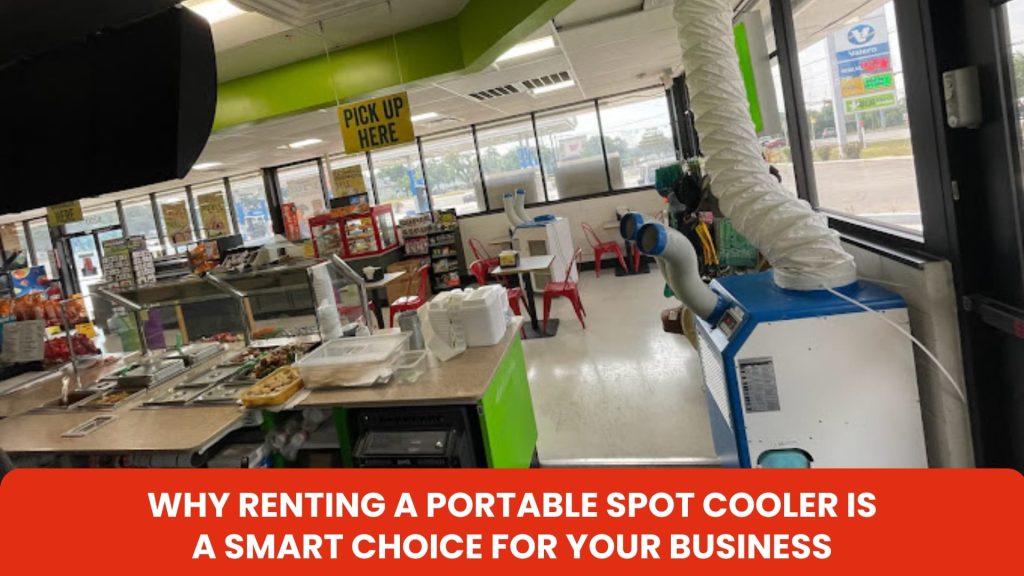
Why Renting a Portable Spot Cooler is a Smart Choice for Your Business
Blog

Keeping a commercial space cool isn’t just about comfort. Rather, it’s a matter of safety for both workers and the public, as well as for preserving the integrity of goods. Ensuring proper cooling can prevent overheating in electronics and spoilage in perishable products while creating a safer, more productive environment for everyone involved.

However, installing a permanent cooling system can be a costly and complex endeavor, not to mention the maintenance expenses that follow. Renting portable spot coolers offers a straightforward, affordable, and effective solution, providing targeted cooling exactly where it’s needed without the financial burden of a permanent setup.

Understanding what portable spot coolers are, how they operate, and when to use them can help businesses make informed (and cost-effective) decisions about their cooling needs. 

What Is a Spot Cooler?

Spot coolers, also called portable air conditioners or portable cooling units, are compact and mobile cooling devices. Their design provides targeted cooling to specific areas or spots within a room or facility. 

Unlike traditional central air conditioning systems that cool entire spaces, spot coolers are strategically positioned to deliver cooling precisely where it’s needed most. These units typically consist of a compressor, evaporator, condenser, and fan, all present within a portable casing with wheels for easy movement. 

Spot coolers are commonly used in various applications, such as offices, server rooms, warehouses, outdoor events, and industrial settings, to maintain comfortable temperatures in specific zones. 

The best part? They don’t need extensive ductwork or installation. They offer maximum flexibility, efficiency, and convenience, which is why they have become an ideal solution for temporary or supplemental cooling needs.

What Are Spot Coolers Used For?

Spot coolers are versatile cooling solutions. They are quite useful in various settings and applications to provide targeted cooling. Some common uses of spot coolers include:

Server Rooms and Data Centers 

You will see spot coolers in server rooms and data centers. These coolers prevent equipment from overheating and ensure optimal operating conditions for servers, networking gear, and other electronics.

Office Spaces

You can rent a portable spot cooler for offices and small workspaces. They act as supplement central air conditioning systems or provide additional cooling to specific areas. They can help to improve comfort and productivity for employees.

Industrial Settings 

In industrial environments such as manufacturing facilities, warehouses, and workshops, spot coolers are used to cool workers, equipment, and machinery in hot conditions. That is how they can enhance safety and efficiency.

Retail Stores

Retailers may use spot coolers to maintain comfortable temperatures in specific areas of their stores. The areas include display sections or checkout counters which ensure a pleasant shopping experience for customers.

Outdoor Events

Spot coolers are often deployed at outdoor events, festivals, concerts, and sports venues to provide relief from the heat. They create a more enjoyable environment for attendees and performers.

Emergency Cooling

Spot coolers can serve as emergency cooling solutions during HVAC system failures, construction projects, or other situations. They can also be used for temporary cooling to prevent discomfort or damage to equipment.

Medical Facilities 

Hospitals, clinics, and medical facilities may use spot coolers to regulate temperatures in patient rooms, laboratories, and sensitive medical equipment areas. They ensure optimal conditions for patient care and equipment operation.

Server and Telecom Closets

Small enclosed spaces like servers and telecom closets can benefit from spot coolers, which maintain equipment temperature within safe operating limits and prevent overheating and equipment failure.

Benefits of Renting a Portable Spot Cooler

From productivity to equipment safety, portable spot cooler renting offers several benefits:

Flexibility in Cooling Solutions 

Renting a portable spot cooler provides businesses unparalleled flexibility in addressing their cooling needs. Whether it’s a temporary cooling requirement for an event, seasonal spikes in temperature, or unexpected equipment failures, spot coolers offer versatile solutions. You can deploy them quickly and conveniently to any area within your facility.

Cost-Effective Alternative 

Purchasing and installing traditional cooling systems is costly, and they come with ongoing maintenance expenses. Renting a portable spot cooler air conditioner eliminates the need for substantial capital investment. 

It allows your small business to access high-quality cooling solutions at a fraction of the cost. Moreover, rental agreements typically include maintenance and servicing, reducing operational expenses.

Customizable Cooling Solutions

Portable spot coolers come in various sizes and capacities. They enable small businesses to tailor their cooling solutions to specific requirements. Whether you need to cool a small office space, a server room, or a large warehouse, spot cooler options are available to suit your needs. This scalability ensures efficient cooling without overspending on unnecessary capacity.

Quick Deployment and Setup

Time is of the essence in business operations, especially when addressing urgent cooling needs. Renting a portable spot cooler offers the advantage of swift deployment and setup. 

With minimal installation requirements and plug-and-play functionality, small businesses can have their cooling systems up and running quickly. The coolers can minimize downtime and disruptions to operations.

Energy Efficiency and Environmental Sustainability

Portable spot coolers are designed for energy efficiency. They offer targeted cooling without overcooling surrounding areas. Businesses can reduce their carbon footprint by optimizing energy consumption and contributing to environmental sustainability efforts. 

Additionally, modern spot coolers often feature eco-friendly refrigerants and advanced technologies that prioritize energy efficiency.

Adaptability to Changing Business Needs

In today’s dynamic business environment, adaptability is key to staying competitive and responsive to evolving needs. Renting portable spot coolers allows your business to scale the cooling solutions according to fluctuating demands. 

Whether expanding operations, relocating facilities, or accommodating seasonal fluctuations, spot cooler rentals can easily adjust to changing business requirements.

How Much Does Renting a Portable Spot Cooler Cost?

The cost of renting a portable spot cooler depends on your specific usage scenario. You need to decide whether you want it for an event, commercial, or industrial purposes. The cost will vary according to the type of portable cooler. Additionally, the size of the space you intend to cool significantly affects your rental expenses. 

Larger areas may require multiple units, so the prices for those coolers can range from $220 to $840 per week. However, the prices may decrease if you have a small space and limited use. 

Rent a Portable Spot Cooler for Your Business Today! 

Portable spot coolers provide efficient, flexible cooling solutions for businesses looking to manage temperatures effectively without the commitment and cost of permanent installations. Their benefits, including customizable cooling, cost-effectiveness, and quick setup, make renting the smart choice for a wide range of commercial needs.
If you’d like to rent a portable spot cooler or wish to explore more about how they can fit into your business operations, contact Preferred Climate Solutions today. With their expertise, they can offer custom recommendations tailored to your specific business, budget, and cooling requirements, ensuring you get the most effective solution.
,
benefits of renting commercial heater for business
Blog

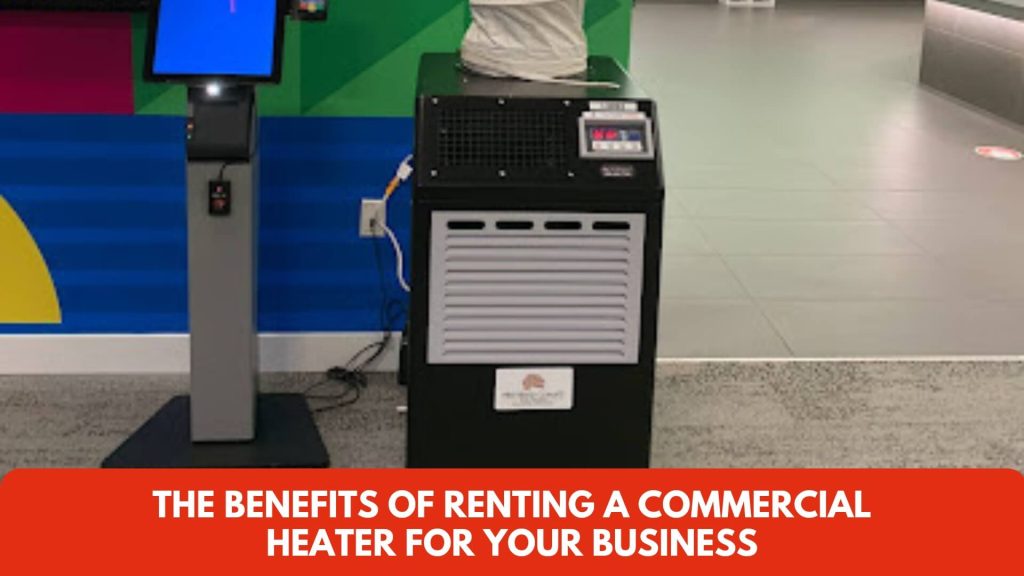
Maintaining an optimal temperature is crucial for any business, ensuring both comfort and efficiency in the workplace. Commercial heaters play an essential role in achieving this, especially during the colder months or in naturally cooler climates.

Choosing the right heating solution can be a game-changer for your business, affecting everything from employee morale to operational costs. Renting a commercial heater offers a flexible and cost-effective way to meet your heating needs without a significant upfront investment.

Benefits of Commercial Heater Rental

Commercial heaters for business provide numerous benefits that can enhance the workplace environment, ensuring businesses operate smoothly and efficiently.

Portability

Commercial heaters excel in delivering warmth exactly where your business needs it, from spot heating a specific area to providing comfort across larger spaces. Their mobility ensures that adjusting to your space’s unique demands is quick and hassle-free.

Renting these heaters offers unparalleled flexibility, allowing you to select the perfect model for any scenario, including both indoor and outdoor locations. Such adaptability is crucial for businesses facing seasonal shifts in heating requirements, enabling a seamless transition without the need for permanent fixtures or a significant upfront investment.

Convenience

Renting a commercial heater cuts through the complexity of managing a heating solution. You get to bypass the logistics of storage and maintenance, focusing instead on keeping your space comfortably warm.

The convenience extends to setup and operation; rental companies typically manage delivery, installation, and removal. It’s a turnkey solution ideal for businesses looking for effective heating without the operational overhead.

Improved Safety

Safety concerns are paramount when heating your business space, making rented commercial heaters a responsible choice. They come equipped with safety features like automatic shut-off and overheat protection, ensuring a secure environment for everyone.

Indirect fired heaters, which can be safely used indoors, are part of the selection available for rent, offering clean heat without direct exposure to combustion. Choosing to rent means you can always access well-maintained, safety-inspected heaters, keeping your premises safe and warm.

Maintenance-Free

Renting a commercial heater means maintenance and repairs are no longer your concern. The rental company handles all servicing, providing heaters that operate efficiently throughout its use.

You benefit from a heater that’s always in top condition without facing unexpected repair bills or downtime. It’s a hassle-free way to ensure continuous warmth, letting you focus on your business operations.

Cost-Effective

Renting a commercial heater is cost-effective, especially for businesses with seasonal heating needs. It eliminates the hefty upfront cost of purchasing, allowing better cash flow management.

The flexibility to switch heaters as your needs change prevents overinvestment in equipment that might not be ideal year-round. Renting ensures you’re only paying for heating when needed, maximizing your budget without sacrificing comfort or efficiency.

Emergency Availability

Emergency availability is a critical advantage of commercial heater renting, providing peace of mind that warmth is just a call away. Rental companies offer 24/7 service, including emergency delivery and setup, ensuring you’re never left in the cold.

A swift response is invaluable if your existing heating system fails or needs augmentation, safeguarding your employees, customers, and property from the risks associated with sudden temperature drops. It’s an easy and reliable solution to keep your business running smoothly despite unexpected heating challenges.

Types of Commercial Heaters Available for Rent 

A wide range of commercial heaters is available for rent, each designed to meet specific heating requirements and environments. Here’s a look at the types you can choose from, ensuring you find the perfect match for your needs.

  • Direct-Fired Heaters: These highly efficient heaters provide immediate warmth by directly heating the air. They’re ideal for well-ventilated spaces or outdoor use, such as construction sites or events.
  • Indirect Fired Heaters: With the combustion process separate from the air stream, indirect fired heaters deliver clean, safe heat. They are perfect for enclosed spaces where air quality is a concern, like workshops or retail environments.
  • Electric Heaters: These are versatile, clean, and easy to use, making them suitable for a variety of indoor settings. They’re commonly used in offices, classrooms, and small retail spaces where quiet, fume-free heating is needed.
  • Radiant Heaters: Radiant heaters provide heat directly to objects and people, making them efficient for spot heating. They’re great for outdoor patios, workshops, and anywhere direct, focused heat is beneficial.
  • Convection Heaters: Convection heaters warm up the air, which then rises to circulate and heat the space evenly. They work well in closed environments, such as temporary office spaces or event tents, providing a comfortable, even warmth.

Whether you require spot heating, efficient space warming, or a clean, breathable atmosphere, a heater rental option is ready to deliver.

FAQ

Do you have questions about renting a commercial heater? Here are quick answers to the most common questions. 

What are the main advantages of renting a commercial heater?

Renting a commercial heater provides flexibility to adapt to your heating needs without a significant upfront investment. It also eliminates the hassle of maintenance and storage, making it a cost-effective choice for businesses.

How does renting a heater improve safety in my commercial space?

Rented heaters are regularly maintained and equipped with the latest safety features, ensuring a safe environment for your employees and customers. This includes automatic shut-off functions and overheat protection, reducing the risk of accidents.

Can I rent a heater on short notice, for example, in an emergency situation?

Yes, rental companies typically offer 24/7 services, including emergency delivery and setup, ensuring you have access to heating solutions exactly when you need them. This is especially useful if your existing heating system fails unexpectedly or if you need additional heating during particularly cold spells.

Rent Commercial Heaters Today!

Proper commercial heating is essential for maintaining a comfortable, safe, and productive environment, especially in variable climates. Renting heaters offers a flexible, cost-effective solution without the burden of maintenance and long-term storage.
Preferred Climate Solutions has the expertise and inventory to help you find the perfect commercial heater for rent, ensuring your business stays warm whenever needed.


, ,
beat the cold rent portable heaters for your business
Blog

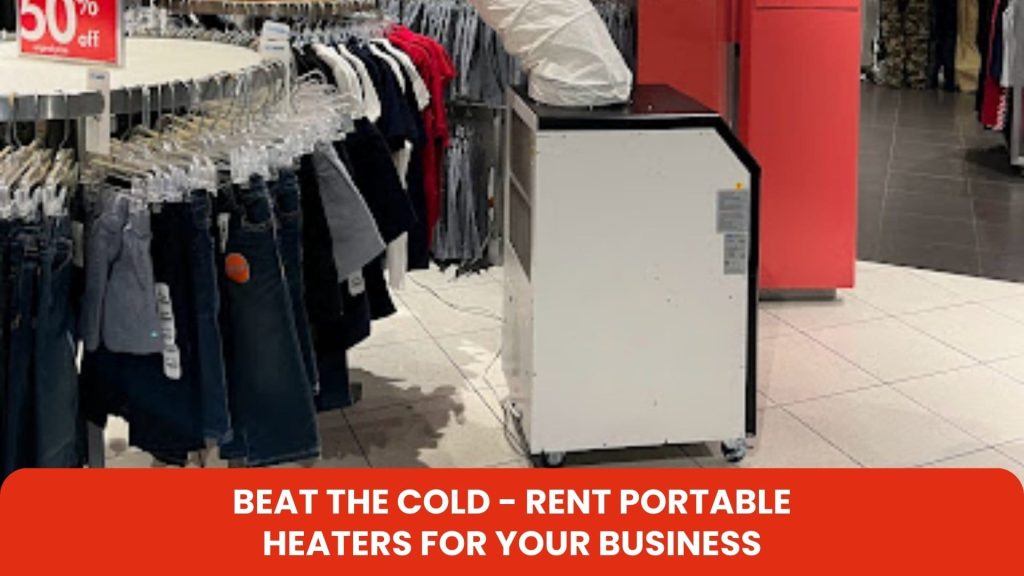
Cold temperatures can pose significant challenges to businesses, from risking inventory damage to slowing productivity and even jeopardizing worker safety. These conditions demand an immediate and effective heating solution to mitigate potential losses and maintain operational efficiency.

Portable heaters are a versatile and cost-effective solution for businesses across various industries, providing targeted warmth where and when it’s needed most. Opting to rent portable heaters offers flexibility and financial advantages, making it a preferred choice for organizations of many different times. 

Here’s a closer examination of renting portable heaters, including benefits, tips, and more.  

What Are Portable Heaters? 

Portable heaters are small, standalone heating devices that you can move quickly from one place to another. They typically run on electricity, propane, natural gas, or kerosene. Businesses often use portable heaters or heat pumps when their primary heating system is inadequate or impractical. 

For example, in large warehouses or workshops where the main heating system may not evenly distribute heat, portable heaters can help to supplement warmth in colder areas or during particularly chilly winters. Most businesses choose portable heaters for rent to save on cost and maintenance. 

The flexibility and convenience of portable heaters make them popular in various work environments. You might have seen portable heat pumps in construction or repair companies. After installation, these portable heat pumps demand minimal maintenance and storage space. 

Their power consumption is notably lower than running separate air conditioning and heating systems. This results in low energy expenses, especially during extreme weather conditions. That is why small-scale and big-scale companies prefer portable outdoor heaters for rent.

Types of Portable Heaters

Portable heaters come in a variety of types, each suited for different needs and environments.

Salamander Heaters

Salamander heaters, also known as torpedo heaters, are powerful, portable units that provide high-volume air heating. Ideal for well-ventilated construction sites or outdoor events, these heaters can run on electricity, propane, or diesel, offering quick and efficient heat distribution.

Indirect Fired Heaters

Indirect fired heaters deliver clean, dry heat without introducing combustion gasses into the heated space, making them perfect for enclosed areas where air quality is a concern. They work by heating air through a heat exchanger, with the combustion process occurring outside the air stream, thus ensuring a safer environment for indoor use.

Direct-Fired Heaters

Direct-fired heaters are highly efficient as they directly heat the air, meaning all the combustion products are mixed with the air being heated. They’re best suited for outdoor or well-ventilated spaces, providing an immediate source of heat for construction sites, warehouses, and agricultural settings.

Benefits of Installing Portable Heaters at Work

From access to cutting-edge technology to the comfort of your employees, rentable commercial heaters offer many benefits: 

Worker Safety

Many fields or sectors need employees to work outdoors, such as construction, sales, factory operations, etc. Working outdoors during winter isn’t exactly enticing for your employees, so a little warmth may lift their spirits. 

A content workforce tends to be more productive. When you provide portable heaters to keep them cozy during the winter cold, they’re much more likely to perform exceptionally well.

Additionally, ensuring your workers stay warm is critical to their safety. Employees who feel cold while using a power drill are more prone to mishandling it. This principle applies to various tools and equipment commonly used on construction sites, and such situations can result in unfortunate accidents.

Backup Heat Source

Portable heaters serve as valuable backup heat sources in furnace failures. When a furnace malfunctions or stops working, it can leave a building without adequate heating during cold weather. 

Portable heaters can step in to provide temporary warmth and comfort until the furnace is back in action.

Their portability allows them to move to different building areas, ensuring that specific rooms or spaces remain heated. Portable heaters come in different types, including electric, propane, or kerosene heaters. So, you can select the suitable option based on your building’s layout.

Avoid Costly Delays

In past decades, many construction companies frequently halted specific tasks during winter because their raw materials could freeze. It has left them with the challenge of handling those wisely without any risks.

However, portable heating solutions have emerged as a game changer to avoid these costly delays. Companies can confidently carry on with these tasks throughout the winter months. No operations during chilly days might lead to interruptions in production, loss of rental income, warranty claims, and cost you contractual penalties. 

Reduces Mold And Moisture Buildup

A portable heating system in your workplace offers significant benefits in combating environmental hazards. Warmer air can hold moisture, so when the temperature rises, the relative humidity decreases. Lower humidity levels create a less favorable environment for mold growth, as mold thrives in moist conditions.

Portable heaters can provide targeted heating in moisture buildup areas such as bathrooms, basements, or kitchens. They help dry out damp surfaces and prevent condensation.

Why Is Renting Portable Heaters Better Than Buying Them?

Renting portable heaters for offices and commercial spaces offers several advantages over buying them outright:

Cost Efficiency

Renting portable heaters eliminates the need for a large upfront investment. It is a more cost-effective option for small-scale businesses. Rather than tying up capital in purchasing heaters, companies can allocate funds to other critical areas of operations.

Flexibility

Renting allows businesses to adjust their heating solutions according to changing needs. They can quickly increase or decrease the number of heaters based on seasonal demands or fluctuations in business requirements. Plus, they only have to pay for a particular duration without being committed to long-term equipment ownership.

Maintenance and Repairs

Portable heater rental agreements often include maintenance and repair services. This factor will save you from the burden of upkeep. Rental companies typically handle regular inspections, cleaning, and servicing of the heaters, ensuring the heater’s optimal performance. 

Access to the Latest Technology 

When you rent portable heaters, you have access to the latest models and technology. Rental companies frequently update their inventory to offer the most efficient and energy-saving heaters. This way, your businesses can benefit from advancements in heating technology.

Convenience and Support

Rental agreements for such heaters typically come with convenient delivery, setup, and removal services. The rental companies save you time and effort. These companies also provide technical support and troubleshooting assistance so that you have peace of mind throughout the rental period.

Final Thoughts

Renting portable heaters saves you from making a significant upfront investment, which is helpful if you’re working with a tight budget. You can quickly scale up or down without being stuck with equipment you no longer need. So, make a wise decision to save your organization’s revenue, time, and effort by renting portable heaters.

, , ,
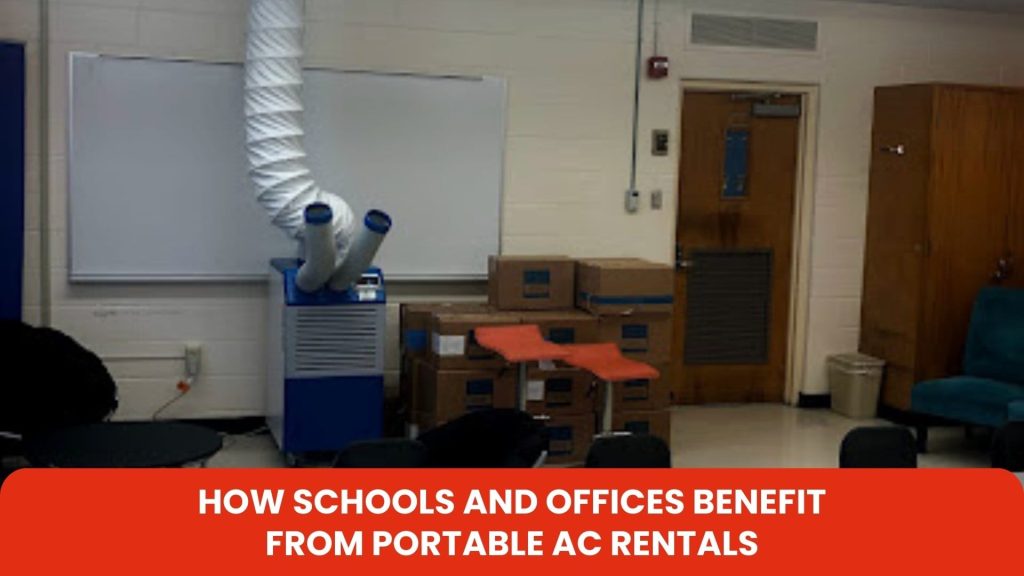
how schools and offices benefit from portable ac rentals
Blog

Maintaining cool temperatures in schools, offices, and commercial buildings is crucial not only for safety but also for comfort and productivity. Portable AC units offer a flexible and cost-effective solution to ensure these environments remain comfortable during hot weather.

Whether for temporary relief or as a strategic cooling solution, portable AC rentals can efficiently meet a wide range of needs. Let’s take a closer look at how they work, their benefits, the advantages of renting instead of buying, and more. 

Benefits of Portable AC Rentals for Schools and Offices

Renting portable AC units provides schools and offices with a flexible, cost-effective, and efficient cooling solution. Here’s a rundown of their benefits: 

Improved Comfort

High temperatures in schools and offices can significantly impact both comfort and productivity. Adding portable AC units during peak temperature times is an effective way to combat this heat.

By regulating indoor temperatures, portable AC units help ensure that students, teachers, and employees remain comfortable, happier, and more alert. Portable AC units create an environment that promotes better learning outcomes for students and enhances productivity for office workers.

Ensuring a cool and comfortable setting is essential for maintaining high levels of engagement and efficiency. Portable AC units play a crucial role in achieving these optimal conditions, making them a valuable asset in educational and professional settings.

Reliable Backup Cooling 

Portable AC rentals offer schools and offices a valuable contingency resource for unexpected situations. In the face of HVAC (Heating, Ventilation, and Air Conditioning) system failures or malfunctions, these units provide emergency cooling to sustain comfortable indoor environments. 

They provide immediate solutions to maintain productivity and ensure uninterrupted operations during critical periods. Your portable AC units can also serve as temporary cooling measures during HVAC system repairs or maintenance activities. 

Bridging the gap between system downtime and restoration mitigates occupant discomfort and helps maintain conducive learning and working conditions.

Energy Efficient and Environmentally Friendly

Portable AC units are designed with energy efficiency in mind, allowing you to stay cool without worrying about skyrocketing energy bills. Their efficiency ensures targeted cooling, meaning you only use energy where and when needed.

Using these units as needed contributes to their cost-effectiveness and energy conservation. This selective use helps avoid the continuous operation of larger, more energy-intensive systems.

Additionally, portable AC units are an environmentally friendly cooling option. Their reduced energy consumption translates to a lower carbon footprint, aligning with sustainability goals for businesses and educational institutions.

Cost Efficient 

Setting up a new A/C system in your office or school can be a big deal, often involving a hefty price tag and a complex installation process. From the get-go, you’re looking at spending a chunk of change on equipment like coils and condensers, not to mention the nitty-gritty of installing air ducts.

But here’s a breath of fresh air: renting makes everything simpler. No need to sweat over the installation or maintenance – your rental company has got it all under control. They handle the setup, any arising issues, and regular upkeep, leaving you to enjoy the cool.

Choosing to rent means you can dodge the hassle and high costs of owning an A/C unit. With a straightforward payment plan, you can kick back, knowing that the cooling of your space is in capable hands, without any extra worries on your plate.

Ideal for Any Event

Portable AC rentals in Dallas are a game-changer for any event, whether an indoor celebration or an outdoor gathering. The forecasted heat no longer poses a threat to the comfort of attendees, thanks to the adaptability of portable air conditioners.

These cooling units are not only straightforward to install but also ideally suited for the varied environments of outdoor events. Their versatility ensures that every attendee enjoys a cool and pleasant atmosphere, regardless of the setting.

Also, the benefit of opting for portable AC rentals for one-off events is the tailored comfort they provide without the commitment of a permanent installation. Whether it’s a corporate function, assembly, pep rally, outdoor event, or more, portable ACs keep the air fresh, and the mood uplifted, ensuring your event’s safety and success.

Types of Portable AC Units Available for Rent

There’s a diverse range of portable AC unit rentals, each designed to meet specific cooling needs. From small, quiet units ideal for office spaces to large, powerful models for industrial settings, there’s a portable AC unit to suit any situation and space.

Evaporative Coolers

Evaporative coolers offer an efficient and eco-friendly way to cool spaces without misting or spraying. They pull in hot air and pass it through water-saturated pads, delivering cooler, filtered air that can lower temperatures by more than 20 degrees.

They’re perfect for outdoor and indoor settings, such as classrooms, auditoriums, football fields, and warehouses. They’re quiet, the airflow can be custom-positioned, and operating costs are about $1 a day.

Spot Coolers

Spot coolers provide targeted cooling, perfect for addressing “hot spots” in offices and schools, both in public-facing areas and for maintenance needs. They direct a focused jet of cool air exactly where it’s needed, whether for people, server racks, equipment, perishables, and more, ensuring optimal temperatures for both comfort and equipment performance.

These versatile units are easily rolled into place and only require a standard 120v electrical supply, making them convenient for various settings. With a range of sizes available, spot coolers can be tailored to fit the specific cooling requirements of any space, offering a flexible and efficient solution to manage heat in critical areas.

Final Thoughts

Portable AC rentals play a crucial role in maintaining comfortable temperatures in schools and offices, ensuring a conducive environment for learning and productivity. Their flexibility and efficiency make them indispensable for managing heat, especially during peak summer months.

Renting portable AC units offers a practical and cost-effective way to address cooling needs without the commitment of a permanent installation. For personalized advice and to explore the best cooling solutions for your needs, contact Preferred Climate Solutions.

, , ,
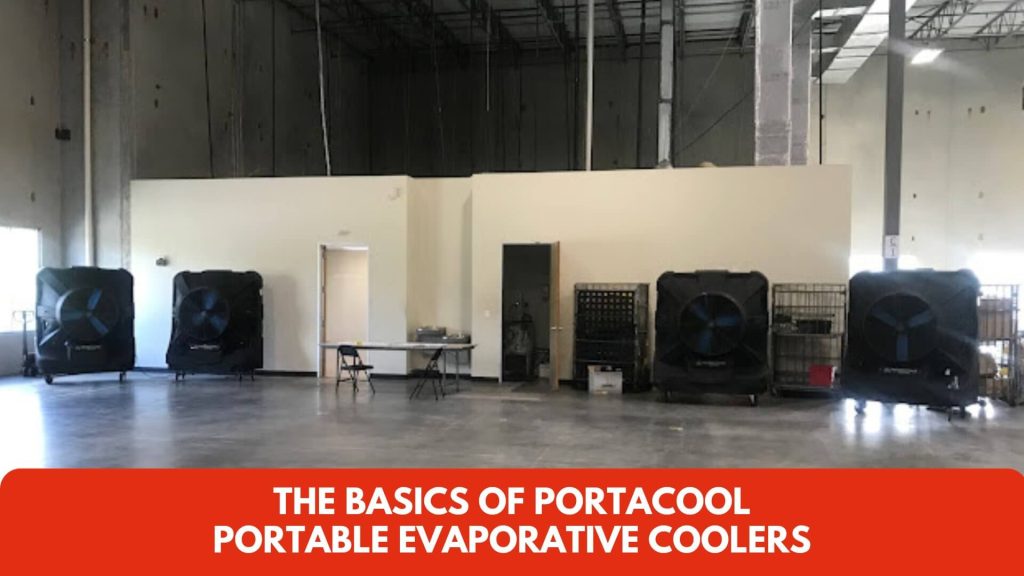
basics of portacool portable evaporative coolers
Blog

Choosing the right cooling solution is essential for both efficiency and comfort, and Portacool Evaporative Coolers are a standout option for many scenarios. These coolers offer a unique blend of energy efficiency, environmental friendliness, and adaptability, making them suitable for a variety of settings.

Understanding the distinct features and advantages of Portacool coolers can greatly simplify the selection process. In this article, we’ll dive into everything you need to know about Portacool Evaporative Coolers, including their operation, benefits, Portacool rental tips, and how to identify the perfect model for your specific needs.

What are Portacool Portable Evaporative Coolers?

Portacool Portable Evaporative Coolers are innovative climate control solutions designed for spaces where conventional air conditioning falls short. These units excel by leveraging the natural process of evaporative cooling to efficiently lower temperatures in various environments.

Unlike traditional cooling systems, Portacool coolers operate without refrigerants, using water and a simple yet effective cooling mechanism. This unique design not only makes them more environmentally friendly but also significantly more energy-efficient.

These coolers are particularly useful in areas like open workshops, outdoor events, or large industrial spaces where traditional air conditioning is impractical. Their versatility and portability make them ideal for both temporary setups, such as rentals for events, and permanent installations in hard-to-cool locations.

Main Features of Portacool Evaporative Coolers

What makes these coolers so unique and useful? Here’s a rundown of their key attributes. 

Energy Efficiency

Portacool coolers offer substantial savings on energy bills, as they consume far less electricity compared to traditional air conditioning units. This efficiency translates into a more cost-effective cooling solution, making them a financially smart choice for both homeowners and businesses.

Their lower energy usage not only reduces costs but also aligns with environmentally conscious practices. This makes Portacool coolers especially appealing for those seeking eco-friendly solutions.

Environmentally Friendly

Portacool evaporative coolers are designed to be kind to the environment, operating without the harmful refrigerants commonly used in standard air conditioners. This attribute ensures that they do not release detrimental chemicals into the atmosphere, making them a greener choice.

Additionally, the lower energy consumption of Portacool coolers leads to a reduced carbon footprint. This aspect is particularly appealing to those who are conscious about minimizing their environmental impact while still enjoying effective cooling solutions.

Operational Simplicity

Setting up a Portacool cooler is a breeze, requiring no intricate installation procedures or extensive ductwork. These coolers are designed for user-friendly operation, allowing for quick and easy deployment in various settings, without the need for professional installation.

In terms of upkeep, Portacool coolers demand significantly less maintenance than traditional air conditioning systems, thanks to their simple mechanical design. This low-maintenance aspect, combined with their superior energy efficiency, makes them an ideal choice for both permanent installations and short-term applications like portable air conditioner rentals.

Durability and Design

Portacool Coolers are renowned for their robust construction, engineered to endure tough conditions and prolonged use. Their durability is a result of high-quality materials and manufacturing processes, ensuring longevity even in challenging environments.

The design of these coolers is equally impressive, focusing on user convenience and efficiency. Features like easy-to-move casters, ergonomic controls, and compact models cater to a variety of spaces, making them as versatile as they are durable.

Ease of Use and Control Features

Portacool Coolers are designed with user convenience in mind, featuring intuitive controls that make operation straightforward and accessible. Their simple interface allows users to effortlessly adjust settings, ensuring optimal cooling with minimal effort.

Additionally, these coolers are equipped with advanced control features like adjustable speed settings and automatic water level indicators. These functionalities not only enhance the user experience but also provide precise control over the cooling environment, catering to varied individual preferences and needs.

How Do Portacool Portable Evaporative Coolers Work?

Portacool evaporative coolers employ a straightforward yet effective process for cooling:

  • Housing: This cooler’s robust exterior is designed to withstand various environments.
  • Motor: The heart of the cooler, driving the fan to create airflow.
  • Fan: This component circulates air, which is essential for the evaporative process.
  • Pump: It plays a crucial role in moving water to the evaporative media, ensuring efficient cooling.
  • Reservoir: Varying in size, this tank stores water necessary for the cooling process.
  • Evaporative Media: Here, the magic happens. As air passes through this specially designed material, it cools down significantly.
  • Casters: Added for mobility, these wheels make it easy to move the cooler wherever needed.
  • Liquid-Level Indicator (LLI): An intelligent feature that monitors the water level, safeguarding the system against running dry.
  • Water Adjustment Valve: This allows for fine-tuning the water flow, and optimizing the cooling efficiency.

Each component plays a pivotal role in ensuring Portacool evaporative coolers function optimally. The seamless integration of these parts results in a practical, energy-efficient, and environmentally friendly cooling system. 

Should You Buy or Rent a Portable Evaporative Cooler?

Deciding between buying or renting a portable evaporative cooler hinges on your long-term cooling needs and budget. Purchasing a cooler is a wise investment if you require consistent cooling over an extended period, offering long-term savings and the convenience of owning the unit.

On the other hand, opting for portable air conditioning units for rent is a flexible solution for those who need cooling on a temporary basis. Renting eliminates the concerns of long-term maintenance and storage, making it a cost-effective option for short-term use, such as events or seasonal needs.

Renting also allows access to a variety of cooler models, tailoring to specific requirements of different spaces or occasions. This flexibility is especially beneficial for businesses or individuals who face diverse cooling challenges and prefer not to commit to a single model.

Final Thoughts

Portacool Evaporative Coolers present a unique and efficient solution for a wide range of cooling needs. Understanding their core functionality and benefits is crucial for making an informed decision, whether you’re looking into Port o cool rentals or purchases.
When choosing a Portacool cooler, consider its unparalleled energy efficiency, environmental friendliness, and the specific requirements of your space. For more information on how evaporative coolers, contact the trusted experts at Preferred Climate Solutions.

, , , ,
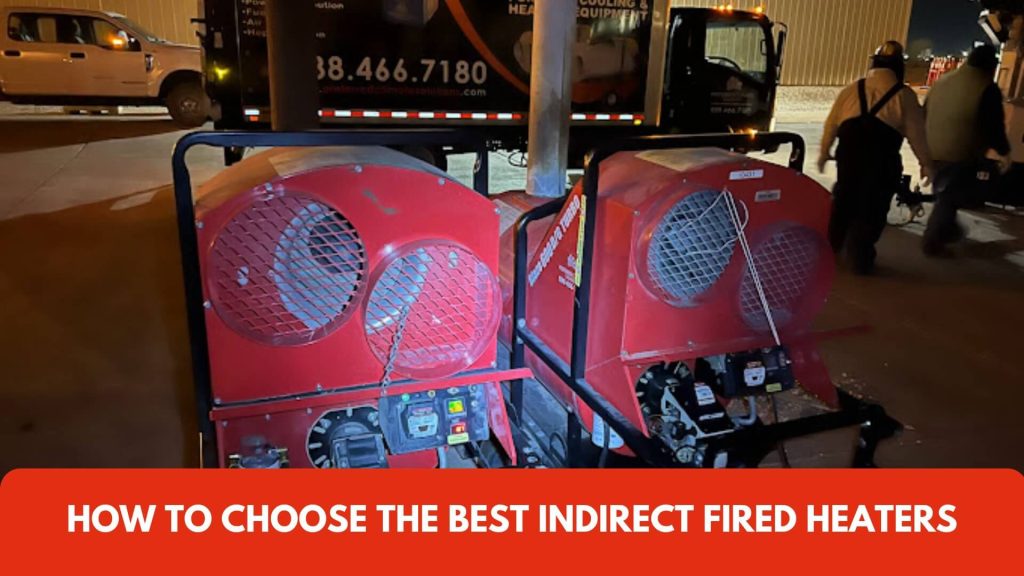
how to choose the best indirect fired heaters 1
Blog

Using the right type of heating solutions is crucial for efficiency and safety, and indirect fired heaters stand out as an ideal option in many situations. 

Navigating the options of indirect heaters can feel overwhelming, but understanding their specific features simplifies the decision-making process. Here’s everything you need to know about the best indirect fired heaters, including how they work, where they’re used, and how to choose the perfect type for your project. 

Understanding Indirect Fired Heaters

Indirect fired heaters are distinct heating systems that operate by warming air through a heat exchanger, not directly exposing the environment to flame. This unique mechanism separates them from other heating options, offering enhanced safety and flexibility.

Commonly, these heaters are employed in settings where direct heating is impractical or unsafe, such as construction sites, industrial facilities, and outdoor events. Their adaptability makes them ideal for a wide range of applications, ensuring consistent heating without direct fire exposure.

Pros and Cons

Let’s examine the advantages and disadvantages of indirect fired heaters.

Pros:

  • Safety: By eliminating direct flame, indirect fired heaters significantly reduce the risk of fire hazards, ensuring a safer environment.
  • Versatility: Adaptable to various settings, these heaters are suitable for everything from temporary event spaces to permanent industrial installations.
  • Controlled Heating: The design allows for precise temperature control, providing consistent and efficient heating suitable for sensitive environments.

Cons:

  • Efficiency Trade-off: While safe and versatile, these heaters may not be as efficient as direct fired heaters in terms of fuel usage.
  • Higher Costs: The advanced design and safety features often result in a higher initial investment compared to other heating options.
  • Maintenance Requirements: Regular maintenance is crucial for these systems, potentially leading to additional upkeep costs and efforts.

Types of Indirect-Fired Heaters

The world of indirect fired heaters is diverse, with each type offering distinct benefits tailored to specific needs and environments. 

Portable Heat Pumps: These heaters stand out for their flexibility and ease of relocation, making them perfect for temporary or changing spaces like event venues or construction sites. Portable heat pumps are known for their energy efficiency and can provide consistent heating without the need for a permanent installation.

Salamander Electric Heaters: Salamander heaters are renowned for their rapid heating capabilities, making them ideal for quickly warming up spaces like workshops or garages. Their design focuses on delivering high heat output in a short time, which is particularly beneficial in colder climates or in situations requiring immediate warmth.

Ductable Heaters: These are versatile indirect fired heaters that can be connected to ductwork to distribute warm air throughout a larger space. They are especially useful in situations where heating needs to be targeted or spread over a wide area, such as in large warehouses, event tents, or during construction projects.

Trailer-Mounted Heaters: These are large, powerful indirect fired heaters that are mounted on trailers for easy transportation. They’re ideal for very large spaces or outdoor applications, such as in mining operations, disaster relief situations, or large-scale outdoor events. 

Key Factors in Choosing Indirect-Fired Heaters

Selecting the right indirect fired heater involves carefully considering several key factors to ensure you choose a heater that efficiently and effectively meets your specific needs.

Assess Capacity and Heating Power Requirements

Start by evaluating your specific needs in terms of capacity and power. The right size and power are essential for optimal performance. Avoid under or over-sizing to prevent inefficiencies or inadequate heating.

Fuel Efficiency and Cost-Effectiveness

Focus on fuel efficiency and overall cost-effectiveness. It’s essential to weigh the initial investment against long-term operational costs. Factors like fuel types and consumption rates significantly affect your budget and efficiency goals.

Versatility and Mobility

Consider the heater’s versatility and mobility, especially for temporary or rental needs. The ease of installation, transportation, and adaptability to various environments is crucial. This is particularly relevant for sites like construction areas or events requiring temporary heating solutions.

Environmental Impact and Eco-Friendly Options

Finally, think about the environmental impact of your heating choice. Opting for eco-friendly heaters that have lower emissions and energy-efficient designs is beneficial. Look for options that use renewable or less polluting fuel sources to minimize your carbon footprint.

Maintenance and Longevity of Indirect Fired Heaters

Consistent maintenance and routine inspections are pivotal for the smooth operation of indirect fired heaters. Regular checks should focus on components like the heat exchanger, fuel lines, and electrical connections. Neglecting them can lead to decreased efficiency, higher fuel costs, and potential safety risks. 

Essential maintenance routines often include cleaning, checking for blockages, ensuring proper ventilation, and closely monitoring the heater’s performance. 

  • Regular cleaning helps prevent the accumulation of dust and debris, which can hinder efficiency and safety. 
  • Inspecting for blockages ensures that air and fuel can flow freely, crucial for optimal operation. 
  • Adequate ventilation is essential not only for efficient operation but also for ensuring a safe environment for users.

Adhering to the manufacturer’s specific maintenance recommendations is vital. Each model may have unique requirements or guidelines that, when followed, extend the life of the heater and maintain its efficiency.

Buying vs. Renting: Which is Best?

When it comes to utilizing indirect fired heaters, purchasing them outright isn’t the only option. Indirect heater rental offers a flexible alternative.

The benefits of renting, such as with a temporary heater rental, include not having to worry about long-term maintenance or storage. Renting is also cost-effective as it allows users to pay only for the duration the heater is needed.

Renting also provides the opportunity to choose from a variety of models, such as portable heat pumps or salamander electric heaters, depending on the specific needs of the occasion. This flexibility is ideal for businesses or individuals who require heating solutions for different types of events or projects, without the burden of maintaining a fleet of heaters.

Final Thoughts

Indirect fired heaters offer many unique and valuable benefits in a wide variety of situations. Whether you decide to rent or buy, the first step in making an informed decision is understanding their basic functionality and purpose. 

When selecting an indirect fired heater, consider the fuel efficiency, power, type, and other factors listed above. Armed with your new knowledge, you’re ready to find the best indirect fired heater for your needs.

, , , , ,
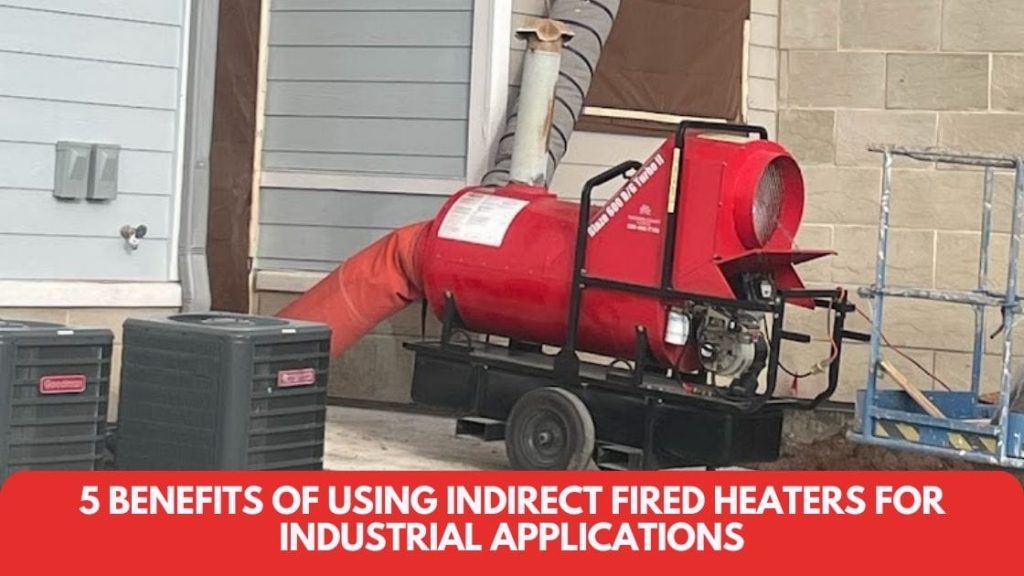
5 Benefits of Using Indirect Fired Heaters for Industrial Applications
Blog

Are you using industrial heaters on your job site yet?

Indirect-fired heaters, which separate the combustion process from the air being heated, offer key benefits in numerous industrial settings. They perform functions other types of heaters cannot, leading to increased efficiency, safety, and other benefits.

In this article, we’ll explore five major advantages of using indirect-fired heaters, and show you the easiest and most affordable way to use them.

Indirect Fired Heaters: An Overview

Indirect-fired heaters stand out because they heat air without directly exposing it to flame. This separation of combustion from the heating process differentiates them from direct-fired heaters, which mix the air with combustion products.

In industrial settings, these heaters are widely used for their clean and safe heat delivery. They’re particularly useful in environments where air quality is crucial, such as construction sites, warehouses, and manufacturing plants.

5 Benefits of Indirect Fired Heaters

Let’s dive into five key benefits that make indirect-fired heaters the go-to heroes for your industrial heating needs:

1. Safety

One of the most compelling benefits of using indirect-fired heaters in industrial applications is their enhanced safety. These heaters operate by keeping the combustion process completely separate from the air being heated. As a result, there is no risk of direct exposure to combustion byproducts or open flames.

They’re ideal for use in refineries, chemical plants, confined spaces, and other environments with an elevated risk of danger. They’re also necessary for environments that require the highest air quality levels.

Unlike direct-fired heaters, where combustion fumes mingle directly with the heated medium, indirect-fired heaters boast a closed-loop system. This separation dramatically reduces the risk of contamination, eliminating concerns about explosions, fumes, and product degradation.

2. Versatility

Indirect-fired heaters are highly adaptable, making them well-suited for a broad spectrum of industrial uses. They excel in various settings, from heating vast construction sites to drying agricultural produce and managing temperatures in manufacturing processes. This adaptability positions them as a versatile solution for numerous heating requirements.

These heaters skillfully manage diverse thermal transfer needs, from heating thick asphalt in road construction to delicate glycol mixtures in anti-freeze production. Their capability spans a wide temperature range, capable of achieving extreme highs over 700°F (371°C) or providing gentle heat around 100°F (38°C).

Regardless of the industry, whether it’s a major chemical enterprise or a modest warehouse operation, indirect-fired heaters can precisely cater to specific thermal needs. Their flexibility and efficiency make them indispensable in a variety of industrial contexts.

3. Efficiency

Indirect-fired heaters are a boon for industries focused on cost-saving and profit maximization. Their closed-loop design and efficient heat exchangers ensure maximum energy utilization, directly translating to lower fuel consumption and significant cost savings.

These heaters are designed for consistent temperature control with minimal energy input, thanks to a heat transfer fluid that acts like a thermal battery. This efficiency reduces operational costs, a key advantage for any business’s financial health.

Additionally, the absence of combustion byproducts from indirect-fired heaters means a cleaner environment. This not only aids in reducing environmental impact but also enhances a company’s environmental, social, and governance profile, aligning business operations with sustainability goals.

4. Easy to Maintain

Indirect-fired heaters are celebrated for their low-maintenance requirements, owing to their sturdy construction and few moving parts. This robust design significantly diminishes the frequency of repairs and maintenance interventions.

Their closed-loop system minimizes the need for intricate burner adjustments, reducing wear and tear on combustion-related components. This results in fewer frequent breakdowns, longer equipment lifespan, and lower maintenance expenses.

With indirect-fired heaters, businesses experience fewer disruptions and can concentrate on production rather than constant equipment maintenance. This reliability provides a sense of security and operational efficiency, enhancing productivity.

5. Affordable

Indirect fired heaters are one of the most affordable heating options, especially if you rent instead of buy. Heater rentals offer a practical solution for temporary or seasonal heating needs, allowing you to pay only when necessary, significantly cutting down on long-term capital expenses.

Temporary heater Rental is well-suited for managing seasonal temperature dips, production increases, or unforeseen equipment failures without the financial burden of ownership.

Additionally, by choosing indirect heater rental, businesses avoid additional costs associated with maintenance and storage. They can simply rent a top-of-the-line, expertly-maintained heater whenever they need one.

Conclusion

In the world of industrial heating, indirect fired heaters offer unparalleled safety, convenience, and affordability. They’re the right choice whether you’re battling the winter chill in a warehouse, ensuring optimal viscosity in a chemical plant, warming delicate solutions in a food processing facility, and for many other situations.

Indirect heaters keep your operations running smoothly, safely, and efficiently, allowing you to focus on what truly matters – industrial success. For more information, including the advantages of indirect heater rental for your project, contact the experts at Preferred Climate Solutions.

, ,
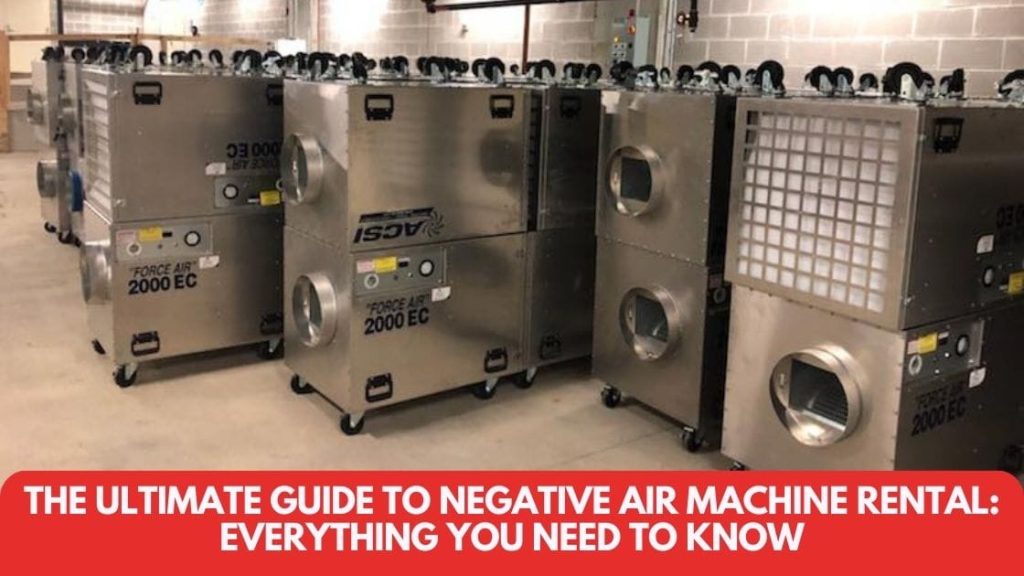
The Ultimate Guide to Negative Air Machine Rental  Everything You Need to Know
Blog

Negative air machines, also called air scrubbers, play a vital role in maintaining clean, safe air in environments such as construction sites, hospitals, and more. They work by using a powerful filter and fan system to remove harmful particles and contaminants.

Don’t worry if you need a negative air machine (NAM) but aren’t sure where to start. The following guide covers how air scrubbers work, their benefits, how to use them safely, tips for negative air machine rental, and much more.

Understanding Negative Air Machines

A negative air machine is a powerful air purification system designed to filter out harmful particles and contaminants from the air. It is crucial in maintaining clean, breathable air in various environments, especially where health and safety are paramount.

At the heart of any air scrubber are several key components:

  • HEPA Filters: High-Efficiency Particulate Air filters that capture 99.97% of particles as small as 0.3 microns.
  • Fan System: Drives the air through the machine, ensuring efficient circulation and filtration.
  • Pre-Filters: Capture larger particles, protecting the more delicate HEPA filters from clogging.

Negative air machines work by creating a pressure difference. They pull contaminated air in, pass it through their multi-stage filtration system, and then release the cleaned air. This process effectively traps harmful particles and prevents them from re-entering the environment.

These machines are invaluable in areas like hospitals and construction sites, where clean air is not just a comfort but a necessity. They ensure safety from airborne contaminants and help maintain required air quality standards.

Why Rent a Negative Air Machine?

If you need a negative air machine, both buying and renting have specific benefits. Buying is a long-term investment, ideal for continuous, regular use. Negative air scrubber rental, on the other hand, is often more cost-effective for short-term projects or occasional needs, offering flexibility without the hefty upfront cost.

HEPA negative air machine rental is particularly advantageous in scenarios like temporary construction sites, short-term remediation projects, or emergency response situations. In these instances, the need for a negative air machine is critical but not ongoing, making renting more practical and economical.

For short-term projects, renting a negative air machine presents several key benefits:

  • Eliminates the need for long-term storage and maintenance
  • Provides access to the latest technology without a significant investment
  • Ensures that the equipment is professionally serviced and ready for immediate use.

Renting saves money while also ensuring efficiency and effectiveness in maintaining air quality.

Choosing the Right Negative Air Machine

Selecting the right negative air machine for your needs involves several important factors. The size of the space where the machine will be used is a primary consideration, as larger areas require machines with greater capacity and power.

The power of the machine is another critical aspect. It determines how effectively the machine can circulate and filter the air in the given environment, making it crucial for efficiency in larger or more contaminated spaces.

The type of filter used in the machine is also essential. High-Efficiency Particulate Air (HEPA) filters are standard, but other types are also available. For example, your project’s specific needs may require filters that target particular contaminants or allergens.

Another factor to consider is the machine’s noise level. Especially in environments like hospitals or office spaces, selecting a machine that operates quietly can be crucial to maintaining a comfortable and disturbance-free atmosphere.

Finally, note the machine’s portability and ease of installation. In dynamic environments where it might need to be moved frequently, a lightweight, easy-to-set-up unit can greatly enhance convenience and efficiency.

Understanding Specifications and Ratings of Negative Air Machines

Understanding HEPA filter efficiency is paramount to maintaining suitably clean air quality. A machine with a filter that captures 99.97% of particles as small as 0.3 microns is ideal for most environments, ensuring a high level of air purification.

Another important specification is the air change rate per hour. It indicates how frequently the machine can replace the air in a room, which is crucial for maintaining consistent air quality, especially in environments with high levels of contaminants.

Ask the rental company for information on each machine’s energy efficiency. An energy-efficient model can significantly reduce energy consumption, which directly affects your operating costs, especially for long-term projects.

Lastly, understanding the overall capacity of the machine is vital. This involves knowing how much air the machine can process and how effectively it can maintain air quality over time, which is crucial for prolonged projects or larger spaces.

Tips for First-Time Renters

For first-time renters, here are some helpful tips:

  • Assess Your Space: Estimate the size and nature of the area to determine the machine capacity needed.
  • Consult Experts: Don’t hesitate to seek advice from rental service professionals about the most suitable machine.
  • Read Reviews: Look for customer feedback to gauge the performance and reliability of different models.
  • Check Maintenance Records: Ensure the machine has been regularly serviced and is in good working condition.
  • Evaluate Rental Terms: Carefully review the rental agreement to understand the terms and conditions, including the duration, return policies, and any potential penalties.

Choosing the right negative air machine can significantly impact the effectiveness and efficiency of your air purification efforts.

Rental Cost Considerations

The cost of renting a negative air machine can vary, but generally, it’s an affordable option for most budgets. Prices depend on the machine’s size and capabilities, so consider your specific needs when estimating costs.

Be aware that there are additional expenses beyond the base rental rate. These can include delivery charges, maintenance fees, and any extra services provided by the rental company.

To effectively budget for renting a negative air machine, always ask for a detailed cost breakdown. This way, you can plan for all potential expenses and avoid any surprises. Keep in mind that a reputable rental company will have no problem providing you with clear pricing upfront.

Safety and Compliance

When operating a negative air machine, safety should be your top priority. Always ensure that the machine is properly grounded, and avoid overloading electrical circuits to prevent fire hazards.

Adhering to regulations set by organizations like OSHA and the EPA is crucial when using negative air machines. These guidelines ensure that the machine is used in a manner that protects both the environment and the health of individuals in the vicinity.

Proper training in the use and maintenance of negative air machines is essential. Users should be familiar with the operational manual, understand how to replace filters and know how to recognize common warning signs the machine isn’t functioning properly..

Remember, safety is especially important when renting a machine, as you might have limited experience using it. When in doubt, ask the rental company for guidance – they’ll be happy to help!

Final Thoughts

Negative air scrubbers are crucial equipment, essential for ensuring a safe and clean environment. Their role in filtering out harmful particles can’t be overstated, especially in sensitive areas such as medical facilities and around construction debris.

Negative air machine rental is often your best bet for a cost-effective, hassle-free solution to air purification needs. For more insights on renting, reach out to professionals of Preferred Climate Solutions, who can guide you with their experience and expertise.

Clear, safe, and fresh air awaits!

, ,
Blog

When the temperature drops, having a reliable and effective heating solution becomes essential, whether it’s for an industrial workspace, a commercial venue, or outdoor activities.

The right heater not only ensures comfort but also enhances safety and productivity in colder environments. This is where Salamander heaters, known for their versatility and efficiency, come into play.

Salamander heaters, especially the ones offered by Preferred Climate Solutions, stand out as an exemplary heating solution.

With over 17 years of experience in portable heating and cooling systems, Preferred Climate Solutions brings expertise and a deep understanding of Texas’ challenging climate to the table.

Whether you’re looking for an electric heater rental or a salamander heater rental, they provide tailored solutions to meet diverse heating needs.

What Is a Salamander Heater?

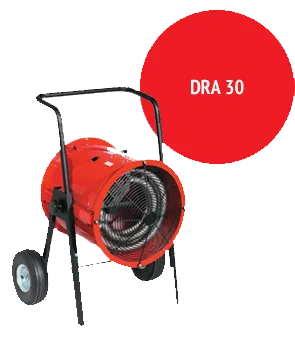
Salamander heaters, also known as torpedo heaters, are portable, forced-air heating devices. These heaters are named for the mythical salamander, believed to have the ability to withstand fire.

Salamander heaters are designed to provide high-output heating, making them ideal for heating large spaces like warehouses, garages, and outdoor events. Moreover, their rugged construction ensures durability and reliability in demanding conditions, making them a popular choice in industrial and construction settings.

Why Is It Called a Salamander Heater?

The name ‘salamander heater’ draws inspiration from the legendary creature, the salamander, which was thought to thrive in fire and extreme heat. This name reflects the heater’s robust design and ability to produce significant amounts of heat, effectively transforming cold spaces into comfortable areas.

This robustness and efficiency in extreme conditions symbolize the resilience and adaptability of the mythical creature, further justifying the heater’s name.

How a Salamander Heater Works

Salamander heaters operate by pulling in cold air, heating it with a combustion chamber, and then expelling the warmed air into the environment. This process is facilitated by a fan, which ensures even distribution of heat.

These heaters can be powered by different fuel sources, including propane, natural gas, and electricity, making them a versatile choice for various settings. The electric heater variant is particularly popular for indoor use due to its clean and efficient heating capability.

Electric models are particularly advantageous in spaces where maintaining air quality is paramount. They eliminate concerns about harmful emissions, making them a healthier choice for indoor environments.

Furthermore, the design of these heaters allows for quick heating response times, ensuring that the desired temperature is reached swiftly and maintained consistently.

Types of Salamander Heaters

Salamander heaters come in various types, each designed to meet specific heating requirements. The primary types include electric, gas-powered, and propane models.

Electric Salamander Heaters: They are highly sought after for their cleanliness and efficiency. They don’t emit fumes and are thus safer for indoor use, making them a top choice for enclosed spaces.

Gas-Powered Salamander Heaters: These are known for their high heat output. They are ideal for outdoor settings or well-ventilated areas where powerful heating is required.

Propane Salamander Heaters: These heaters are valued for their portability and ease of fuel accessibility. They’re great for locations without electricity or natural gas supply. Propane heaters are also appreciated for their quick setup and ease of use, offering a practical solution for temporary heating needs in remote locations

The different types allow users to select a heater based on fuel availability and environmental considerations, tailoring the heating solution to their specific situation.

Salamander Heater: Pros and Cons

Understanding the advantages and disadvantages of Salamander heaters is crucial in selecting the right one for your needs.

Pros of Salamander Heaters

1. Efficiency: Salamander heaters are known for their rapid heating capability. They quickly warm up large spaces, making them highly efficient in terms of energy and time.

2. Portability: As portable outdoor heaters, Salamander heaters can be easily moved to different locations. This flexibility is invaluable for construction sites, outdoor events, and emergency heating needs.

3. Outdoor Applications: Salamander heaters excel in outdoor settings. They’re capable of providing warmth in large, open areas, making them perfect for events, construction sites, and outdoor work environments.

4. Ease of Installation: With minimal setup required, Salamander heaters are user-friendly. Their mobility and simple operation make them accessible to a wide range of users.

Additionally, their robust build quality ensures they can withstand harsh conditions, making them a reliable choice for long-term use in challenging environments.

Cons of Salamander Heaters

1. Ventilation Needs: Gas-powered and propane Salamander heaters need proper ventilation due to carbon monoxide emissions. This requirement limits their use in enclosed spaces.

2. Noise Level: Some models can be quite loud, which might be a concern in noise-sensitive environments.

3. Space Requirement: While portable, these heaters still require space for safe operation, particularly around the heating elements to avoid fire hazards.

Also, they require regular maintenance checks to ensure optimal performance and safety, particularly when used frequently or in harsh conditions.

Situations Where Electric Salamander Heaters are Ideal

Electric Salamander heaters are perfect for indoor environments where noise and air quality are concerns, such as in workshops, garages, and small to medium-sized event spaces. Their clean operation and relatively quiet performance make them a suitable choice for heating needs where maintaining air quality and noise levels are important.

Is It Safe to Use a Salamander Heater Indoors?

Safety is a paramount concern when it comes to indoor heating. Electric Salamander heaters are generally safe for indoor use as they don’t produce harmful emissions. However, it’s crucial to ensure proper safety measures, like maintaining a safe distance from flammable materials and ensuring adequate space for the heater’s operation.

For gas-powered or propane heaters, indoor use is generally not recommended unless the area is well-ventilated to prevent the buildup of harmful gases.

Salamander vs Other Electric Heaters

When comparing Salamander heaters to other electric heaters, several key aspects come into play, such as efficiency, safety, environmental impact, and general suitability for various settings.

Efficiency

Salamander Heaters: Known for their high efficiency, especially in heating large spaces quickly. They are ideal for situations requiring rapid temperature increase over a significant area.

Other Electric Heaters: These vary widely in efficiency. Smaller units are more suited for heating individual rooms or smaller spaces and may take longer to heat an area compared to Salamander heaters.

Safety

Salamander Heaters: Typically equipped with safety features like overheating protection and durable construction. However, their high power output requires careful handling and proper placement to avoid hazards.

Other Electric Heaters: Often include multiple safety features like tip-over protection, overheat protection, and cool-to-touch surfaces. They are generally considered safer for residential and small-scale use.

Environmental Impact

Salamander Heaters: Electric models have a lower environmental impact compared to their gas-powered counterparts, as they don’t emit harmful gases.

Other Electric Heaters: Also environmentally friendly, especially models with energy-saving features. They contribute to lower emissions compared to fossil fuel-based heaters.

Use Cases

Salamander Heaters: Best for commercial, industrial, or large outdoor spaces due to their high output and rapid heating capability.

Other Electric Heaters: More suited for homes, offices, or smaller indoor areas where concentrated heat is needed.

Safety and Maintenance Tips

Ensuring the safety and proper maintenance of Salamander heaters not only extends their lifespan but also guarantees optimal performance.

Safety Tips

1. Proper Placement: Always place the heater on a stable, flat surface, away from flammable materials.

2. Ventilation: Ensure adequate ventilation when using gas-powered models to prevent the buildup of harmful gases.

3. Supervision: Never leave the heater unattended while in operation, especially in areas accessible to children or pets.

4. Electrical Safety: For electric models, ensure that the power source and cords are secure and undamaged.

Maintenance Tips

1. Regular Cleaning: Keep the heater clean from dust and debris, which can affect efficiency and safety.

2. Inspection: Regularly inspect the heater for any signs of wear, damage, or malfunction.

3. Professional Servicing: Have the heater serviced by a professional periodically to ensure it’s in optimal working condition.

Things to Look for When Renting a Salamander Heater

Renting a Salamander heater can be an excellent solution for temporary heating needs. However, it’s important to consider several factors to ensure you choose the right heater for your situation.

Factors to Consider

1. Size and Capacity: Assess the size of the area you need to heat to determine the capacity required. Larger spaces will need heaters with higher BTU (British Thermal Unit) ratings.

2. Type of Heater: Decide between electric, gas-powered, or propane models based on the intended use and available resources.

3. Power Source: Consider the availability of power sources. Electric heaters need a power outlet, while gas or propane heaters are more flexible location-wise but require an adequate fuel supply.

Where to Rent a Salamander Heater

Preferred Climate Solutions simplifies the process of renting a Salamander heater. You can contact them through their website or by phone to discuss your needs. Their team will guide you through the selection process, ensuring you get a heater that suits your requirements.

Customization and Support

Preferred Climate Solutions offers a range of customization options to cater to specific needs, whether it’s for a small outdoor gathering or a large industrial space. They also provide comprehensive support services, from installation to maintenance and safety guidelines.

Catering to Specific Requirements

Whether you need a temporary heating solution for an event, a construction site, or during an emergency, Preferred Climate Solutions can provide a Salamander heater rental that precisely meets your needs.

Support Services by Preferred Climate Solutions

Preferred Climate Solutions offers comprehensive support services for the maintenance and safety of Salamander heaters. They provide:

  • Expert Consultation: Guidance on choosing the right heater and using it safely and efficiently.
  • Maintenance Services: Professional maintenance services to keep your heater in top condition.
  • Safety Training: Training and tips on safely operating the heaters, tailored to your specific model and usage scenario.

With these considerations in mind, you can ensure that your Salamander heater remains a safe, efficient, and reliable source of warmth for a variety of needs.

Assistance from Preferred Climate Solutions

Preferred Climate Solutions offers expert advice to help you select the right Salamander heater. Their team considers your specific needs, the characteristics of your space, and any safety concerns to recommend the most suitable heater.

Wrapping Up Electric Heater Rentals: A Convenient Solution

Salamander heaters are a versatile, efficient, and powerful solution for a wide range of heating needs. From portability to high heating capacity, they offer numerous benefits. But even if Salamander heaters aren’t your thing, other electric heaters offer several advantages, especially for indoor use or in areas where air quality is a concern.

The following advantages are just a few things that make it worth considering renting one.

  • Clean Heating: No emissions, making them safe for indoor use.
  • Ease of Use: Simple operation and no need for fuel storage.
  • Quiet Operation: Generally quieter than gas or propane heaters.

Preferred Climate Solutions: Your Go-To for Heater Rentals

At Preferred Climate Solutions, we offer an extensive range of heating solutions, including portable outdoor heaters and commercial heater rentals. Our expertise lies in understanding your specific heating requirements and providing a Salamander heater that aligns perfectly with your needs.

Whether you need a heater for a construction site, a corporate event, or an emergency heating situation, our team is equipped to provide you with the best possible solution.

For those in need of a reliable and efficient heating solution, contact Preferred Climate Solutions. Their expertise and wide range of Salamander and electric heater rentals ensure you get the perfect heating solution for your specific needs.

Preferred Climate Solutions offers a range of electric Salamander and other electric heaters, ideal for various indoor and outdoor applications. Their team can help you choose the best model based on your specific heating needs.

Benefits of Renting from Preferred Climate Solutions

  • Expert advice and customized solutions.
  • Wide range of heaters to suit any need.
  • Comprehensive support and maintenance services.
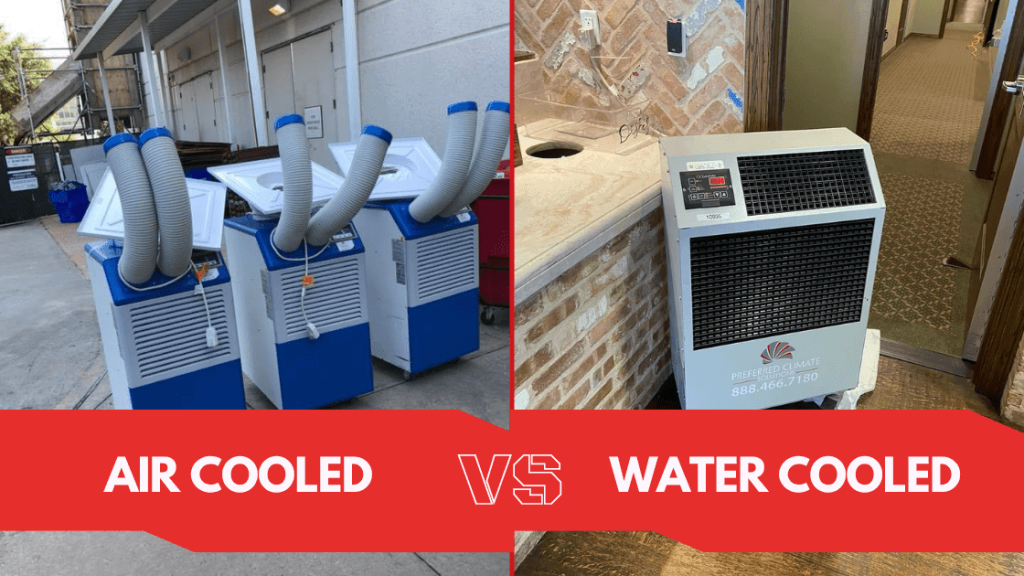
Air cooled Vs Water cooled Chillers  Which Is Best For Warehouses min
Blog

In the intricate world of warehouse management, temperature control isn’t just a luxury; it’s an absolute necessity. The choice between air-cooled and water-cooled chillers can be pivotal, affecting operational efficiency, energy consumption, preservation capabilities, and much more.

In this article, we’ll take a closer look at air-cooled vs water-cooled chillers, helping you make an informed decision tailored to your warehouse’s unique demands.

The Difference Between Air-cooled and Water-cooled Chillers

Chiller systems are mechanisms designed to remove heat from a liquid circulated through a heat exchanger to cool air or equipment.

As the name suggests, air-cooled chillers expel heat away from the liquid into the air. They are typically installed outside and do not require a cooling tower.

On the other hand, water-cooled chillers rely on a secondary cooling method, usually involving water from a cooling tower, to disperse the heat.

How Chiller Systems are Rated

The performance of chiller systems is often rated by their Coefficient of Performance (COP). This metric evaluates the ratio of cooling or heating provided by the system to the energy consumed. A higher COP signifies greater efficiency.

While factors such as installation, maintenance, and operational environment can influence the COP, understanding this rating aids in selecting a system aligned with the warehouse’s energy efficiency targets.

Advantages and Disadvantages of Air-cooled vs Water-cooled Chillers

The comparative analysis of air-cooled and water-cooled chillers pivots on various factors, each echoing the unique operational dynamics, environmental implications, and energy efficiency paradigms these systems embrace.

Cooling Method

Air-cooled chillers are revered for their simplicity and ease of installation. They rely on air to remove heat, negating the need for complex water systems. However, they can be less efficient in hotter climates with high ambient air temperatures.

Water-cooled systems, meanwhile, are known for their efficiency, especially in confined or indoor spaces. They use water in a condenser loop to expel heat, but this also means they necessitate a consistent water supply, raising potential concerns about water usage and conservation.

Capacity Range

Water-cooled chillers have greater capacity. They are generally more energy-efficient and suitable for large-scale operations demanding extensive cooling.

Air-cooled chillers are typically more appropriate for smaller to medium-scale applications. They’re more flexible and easier to install but might not offer the same efficiency and cooling capacity as their water-cooled counterparts, especially in extensive, high-demand environments.

Environment and Location Considerations

Air-cooled chillers don’t consume water, making them a sustainable choice in regions where water conservation is a priority. They are also less prone to the risks associated with water quality issues and are generally easier and cheaper to maintain.

Though more efficient, water-cooled chillers require a consistent and quality water supply and involve more complex maintenance protocols due to the intricate water systems they incorporate.

Equipment Longevity

Air-cooled chillers are generally more robust, with fewer moving parts and a lower susceptibility to wear and tear. They often boast a longer lifespan, reduced maintenance, and are less prone to corrosion since they don’t rely on water.

Water-cooled chillers, though offering optimal performance, can be subject to water quality issues, corrosion, and scaling, potentially impacting their longevity if not meticulously maintained.

Chiller Efficiency

Water-cooled chillers are often more efficient than their air-cooled counterparts, especially in large-scale or high-heat environments. They are adept at maintaining optimal performance even during high ambient temperatures.

Air-cooled chillers, though still efficient, might experience reduced performance efficiency under intense heat, making them more suited for moderate climates or smaller-scale operations.

Noise Level

Air-cooled chillers, with fans operating in open air, can sometimes be noisier. This makes their placement critical to avoid disruptions.

Water-cooled chillers are generally quieter, an attribute that can be pivotal in environments where noise reduction is a priority or where regulations around noise emissions are stringent.

Choosing the Right Chiller for Your Warehouse

Navigating the intricate terrains of chiller selection echoes the bespoke operational, spatial, and environmental dynamics each warehouse encapsulates.

Factors to Consider

Key considerations pivot around the scale of operation, ambient temperatures, and the specific cooling needs of the stored goods. The spatial dynamics, including the availability of outdoor space, access to water sources, and noise restrictions, also play a crucial role.

Furthermore, maintenance requirements, energy efficiency goals, and environmental impact considerations are integral to the selection process, ensuring the chosen chiller aligns with operational difficulties and sustainability ethos.

Cost Considerations

Air-cooled chillers often allure with lower initial installation costs and reduced maintenance expenditures. However, their operational costs can be higher, especially in hot climates.

Water-cooled chillers, though potentially more expensive upfront and demanding in terms of maintenance, often compensate with enhanced efficiency and reduced operational costs, painting a holistic economic picture that transcends the initial investment.

Renting a chiller is often an excellent alternative to purchasing units outright. With rented cooling systems, a business only pays for equipment when it’s needed. Plus, renters avoid maintenance fees, as maintenance isn’t their responsibility. Even if a warehouse has an existing AC system, rentable spot coolers can provide temporary assistance during hot temperatures or storage overflow.

The Final Rundown

In the contest between air-cooled chillers vs water-cooled chillers, which is the winner?

Truthfully, there’s no one correct answer. Instead, you’ll need to look at your organization’s specific needs, whether you’re purchasing or renting a chiller.

Air-cooled chillers stand out for their ease of installation and reduced maintenance requirements, making them a cost-effective choice for warehouse owners prioritizing straightforward operation. Water-cooled chillers offer superior energy efficiency and can be a smart choice for businesses aiming to minimize their long-term operational costs.

Choosing the correct chiller will help reduce operational costs, increase product quality, boost worker comfort, and provide many other benefits for your warehouse and business.

, , ,
Scroll to Top