
Author name: pcsadmin

Blog

Clean, fresh, and breathable air is a necessity.

It is especially crucial in settings where air quality can be compromised, such as construction sites or areas affected by natural disasters. Air scrubbers and negative air machines have emerged as pivotal allies in these situations, each offering a unique approach to air purification.

Are you considering a negative air machine or air scrubber rental? While both machines accomplish the same goal, they’re not interchangeable, so it’s important to understand their specifics. Here’s everything you need to know!

Understanding Air Scrubbers and Negative Air Machines

Though distinct, these two pieces of equipment are designed to improve air quality significantly. However, their operational dynamics and applications set them apart.

What They Are

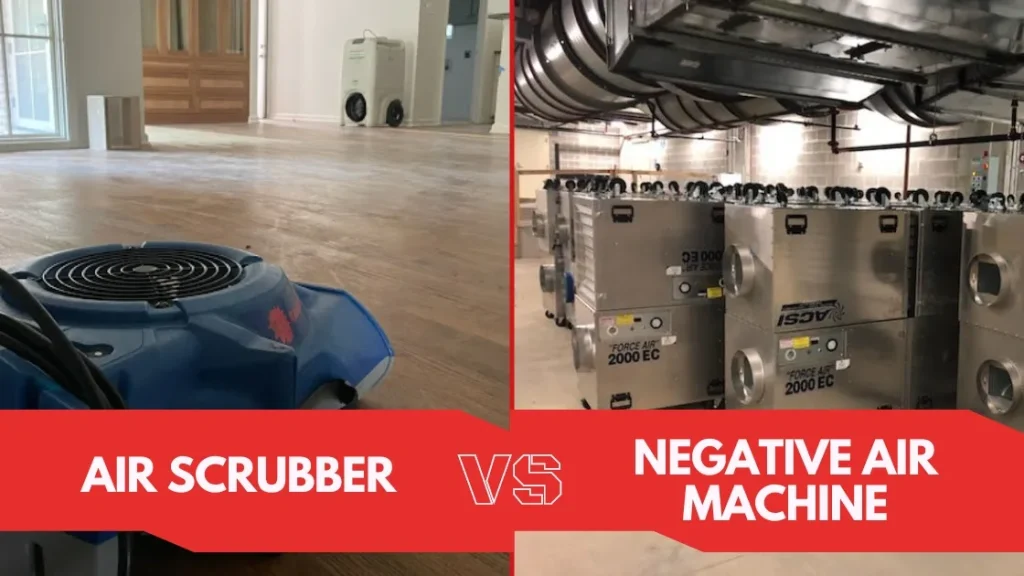
An air scrubber is a portable filtration system that removes particles, gasses, or chemicals from the air within a given area. They are instrumental in environments requiring pollutants removal to ensure the air remains clean and safe.

On the other hand, a negative air machine is a device that creates negative air pressure to prevent contaminated air from escaping a containment area. It sucks in polluted air and filters it before releasing it, ensuring that contaminants are contained.

How They Work

Air scrubbers utilize a series of filters to trap and eliminate pollutants from the air. These machines pull in air, pass it through filters that capture particles, and then release the cleaned air into the environment.

Negative air machines create a vacuum effect; they draw in the contaminated air, filter it, and then exhaust the clean air, often to the exterior of a building or containment area to ensure that the pollutants are effectively isolated.

The Differences between Air Scrubbers and Negative Air Machines

Both machines are powerful allies in the quest for clean air, but they come with distinct features and functionalities that make them suitable for different scenarios.

Uses

Air scrubbers are often employed when there’s a need to constantly purify the air from contaminants, making them ideal for places like homes, offices, and construction sites where dust and particles are a concern.

Negative air machines, in contrast, are usually deployed in more severe situations like mold remediation, restoration jobs, or hospitals where creating a containment area to control and eliminate air pollutants is essential.

Size and Capacity

Air scrubbers are compact and designed for mobility and ease of use, making them a convenient option for various settings. They effectively clean the air in smaller spaces but can also be used in tandem for larger areas.

Negative air machines are generally more substantial and have a higher capacity for air filtration. They are engineered to handle more severe levels of air contamination and are often used in specialized industrial applications.

Best for Large or Small Spaces

Air scrubbers are ideal for smaller to medium-sized spaces where portability and ease of installation are key. They can be quickly moved and set up, providing immediate improvement in air quality.

Negative air machines are suited for larger, often commercial or industrial spaces, where the level of air contamination is significant and there’s a need to create a negative air pressure environment to contain and eliminate pollutants effectively.

The choice between an air scrubber and a negative air machine boils down to the specific needs of your space and the level of air contamination you are dealing with. Evaluate the size of the area, the type and level of pollutants present, and the required air cleaning efficiency to make an informed decision that ensures a safe, clean, and breathable environment for all occupants.

Benefits of Using Each Type of Equipment

Navigating the corridors of air purification often leads to a crossroads where the air scrubber and negative air machine stand as formidable contenders. While both are engineered with a core mandate to purify and optimize air quality, they each bear distinct attributes and benefits that make them suitable for varied scenarios.

Improved Air Quality

Air scrubbers are quintessential for spaces where air quality enhancement is a prerequisite. The finesse of these machines lies in their meticulous filtration systems that diligently sift through the air, capturing particles and pollutants with impressive precision. Homes and offices, where ambient air purity is a cornerstone for comfort and health, find a reliable ally in air scrubbers. Air scrubbers can also effectively dehumidify an area.

Conversely, negative air machines step into the arena where contamination levels are heightened. In environments ravaged by pollutants, these machines unflinchingly draw in contaminated air, subjecting it to rigorous filtration processes. The outcome is air that isn’t just clean but is rendered a sanctuary of purity, even amidst surrounding contamination.

Removal of Smoke Particles

In scenarios where smoke is the adversary, the air scrubber emerges as a machine and a sentinel of purity. Its filtration intricacies are tailored to trap smoke particles with unmatched adeptness, rendering air that is smoke-free and a testament to breathable excellence.

The negative air machine takes this a notch higher, especially in intense smoke contamination. It employs a containment strategy, where the trapped smoke particles are neutralized and isolated, ensuring the ambient air remains uncontaminated. It’s a machine that doesn’t just clean the air but fortifies it against smoke particles’ infiltration.

Versatility

Versatility is the silent song of air scrubbers. Their design, compact yet efficient, renders them adaptable to diverse settings. Whether it’s the silent corners of a home or the bustling environment of an office, the air scrubber sits in unassuming elegance, purifying the air with silent diligence.

Though more robust, negative air machines are crafted for scenarios demanding intensive air purification. Where contamination is not just present but is intense, these machines stand as unwavering bastions of purification. While air scrubbers for mold rentals are effective, negative air machines are often the preferred mold removal option for hospitals and mold remediation sites.

Choosing the Right Option for Your Needs

The journey to choosing between an air scrubber and a negative air machine rental is one of introspection, echoing your space’s unique needs and dynamics.

Assessing Your Space

The first step is a thorough assessment of your space. Understand the levels and types of pollutants you’re dealing with, the size of the space, and the specific air quality needs. This foundational assessment paves the way for a choice that’s not just informed but tailored to your space’s unique demands.

Consulting with Professionals

Don’t walk this journey alone. Engaging professionals who understand the intricate dynamics of air quality management is pivotal. They bring expertise and insights that transform the selection process from a game of chance to a strategic choice, echoing your space’s technical and operational demands.

Renting vs. Purchasing

The financial investment in air quality equipment is as pivotal as the operational considerations. Renting air scrubber and negative air machine equipment offers flexibility and is often a cost-effective option for short-term needs.

How much is rental for an air scrubber? The exact prices will depend on the type of equipment needed and the size and condition of the environment. However, air scrubber and negative air machine rental is often less expensive than buying, as you’re not responsible for maintenance costs.

In contrast, purchasing can be a strategic investment for long-term air quality management, especially in spaces where air contamination is a persistent challenge.

Conclusion

When choosing between negative air machine or air scrubber rentals, you’ll want to consider the air condition, room sizes, and your long-term air cleaning needs. While both machines offer excellent air purification capabilities, you’ll want to determine which works best for your specific situation.

Air scrubbers and negative air machines play a valuable role in cleaning hazardous areas such as construction sites, and by using the guide above, you can find the perfect option!
, , ,
homepage bg spotcoolers
Blog

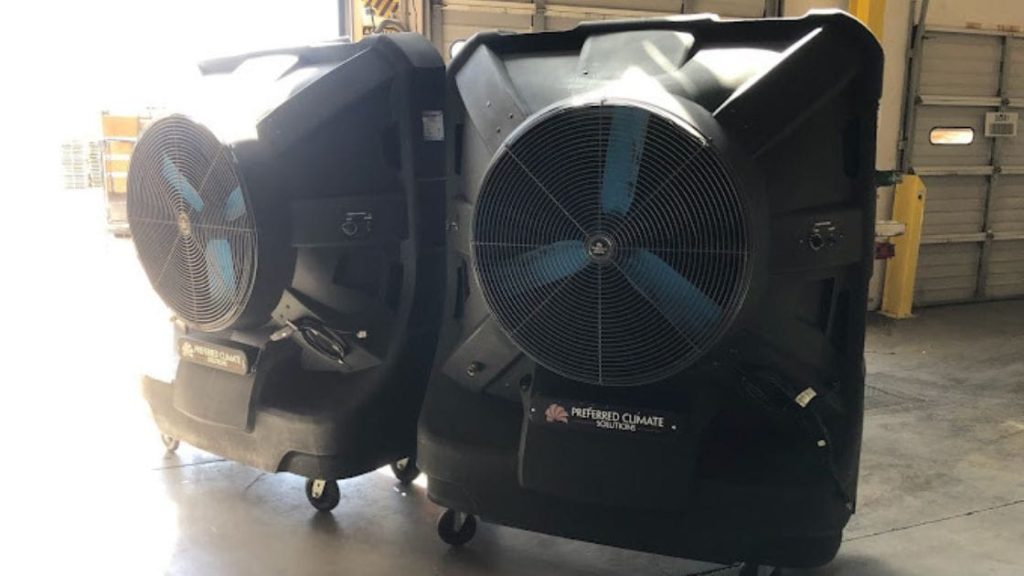
Finding a cost-effective and efficient cooling system for large warehousing spaces can be quite challenging. Did you know that swamp coolers, or evaporative coolers, can deliver up to 25,000 cubic feet per minute of chilled air? This post will guide you through the benefits and considerations of using swamp cooler rental in your warehouse.

Keep reading to discover how this simple solution could transform your work environment into a comfortable space, even during peak summer months!

Benefits of Evaporative Coolers for Warehouse Spaces

Swamp coolers deliver several advantages for warehouse spaces, including:

  • Energy Efficiency: Swamp coolers consume less power than traditional air conditioners, reducing energy costs dramatically.
  • Effective Cooling: They work best in hot and dry climates, making them ideal for large warehouse spaces.
  • Water Evaporation: Using the principle of evaporative cooling, these units effectively reduce temperature by transforming water into vapor.
  • Environmentally Friendly: The use of swamp coolers supports sustainability as they limit carbon emissions compared to other mechanical cooling systems.
  • Cost Effectiveness: These coolers are affordable to install and maintain, resulting in substantial savings over time.
  • Performance in Low Humidity: They excel in environments with low humidity, often found in large warehouses or storage facilities.
  • Adaptability to Large Spaces: Their design allows for effective cooling of vast open areas such as warehouses.
  • Minimal Maintenance Needs: Regular cleaning is all that’s needed to keep them operating at their best.

Factors To Consider for Effective Use of Evaporative Coolers in Warehouses

Proper ventilation and air circulation are essential for the effective use of evaporative coolers in warehouses. Regular maintenance and cleaning also play a crucial role, along with considering humidity levels and choosing the appropriate size and placement of the evaporative coolers.

Proper Ventilation and Air Circulation

Ventilation systems in warehouses play a crucial role when using evaporative coolers. They help maintain an adequate airflow, ensuring the cooler operates at its best capacity. The ideal setup involves exchanging indoor air with fresh outdoor air to optimize cooling efficiency and improve indoor air quality.

The design of the ventilation system is just as important. For example, cross ventilation can effectively distribute cool air throughout the warehouse while expelling warm air out.

Incorporating circulation fans can also enhance this air movement significantly, adhering to industry-standard ventilation requirements. Moreover, it’s beneficial to have an evaporative cooler that offers a vent-only option for times when outdoor conditions are favorable for natural cooling processes.

Regular Maintenance and Cleaning

Ensuring regular maintenance and cleaning greatly improves the efficiency of evaporative coolers in warehouse spaces. Here are some essential steps:

  • Implement a routine of continuous upkeep and cleansing for optimal performance.
  • Regularly remove sediment and minerals that could impede the cooler’s function.
  • Schedule seasonal deep cleanings to maintain overall system health.
  • Carry out maintenance multiple times throughout the year, not just during peak usage seasons.
  • Strictly adhere to a clean, odor-free water reservoir policy to reduce buildup and unpleasant smells.

Consideration of Humidity Levels

Evaporative coolers, also known as swamp coolers, are an effective cooling solution for warehouses. However, it is important to consider the humidity levels in these spaces. Evaporative coolers work best in lower humidity conditions below 50% relative humidity.

The effectiveness of evaporative cooling is directly influenced by the relative humidity level. It’s worth noting that evaporative cooling systems raise the internal humidity significantly while they provide a cooler environment.

To ensure optimal efficiency and comfort, it’s crucial to monitor and control indoor humidity levels when using evaporative coolers in warehouse spaces. By doing so, you can take full advantage of their cooling capabilities and create a more comfortable working environment for your employees.

Size and Placement of Evaporative Coolers

To ensure effective cooling in warehouses, it is crucial to consider the size and placement of evaporative coolers. The optimal size of the cooler should be determined based on the square footage and height of the warehouse space.

A properly sized cooler will provide sufficient airflow and cooling capacity for the entire area. Strategic placement is also important; coolers should be positioned near open doors or windows to draw in fresh air and create proper ventilation.

Additionally, placing coolers away from obstacles such as walls or equipment will allow for more efficient airflow throughout the space. By carefully considering the size and placement of evaporative coolers, you can maximize their effectiveness in keeping your warehouse comfortable and cool.

Comparison of Evaporative Coolers to Air Conditioners for Warehouse Cooling

Evaporative cooler rentals offer a more energy-efficient and cost-effective cooling solution for warehouses compared to traditional air conditioners. They have a lower environmental impact and are especially effective in hot and dry climates, providing cool humidity while maintaining warehouse ventilation.

Energy Efficiency and Cost-Effectiveness

Evaporative coolers, also known as swamp coolers, offer significant benefits in terms of energy efficiency and cost-effectiveness for cooling warehouse spaces. Compared to air conditioners, evaporative coolers use up to 80 percent less electricity, resulting in lower energy consumption and reduced electricity costs.

This makes them a more economical option for large warehouse spaces where cooling requirements can be high. Additionally, evaporative coolers are typically less expensive to purchase and operate than traditional air conditioners, making them an affordable choice for businesses looking for efficient cooling solutions.

Environmental Impact

Evaporative coolers have a positive environmental impact compared to traditional air conditioners. These cooling systems produce lower CO2 emissions and do not use harmful refrigerant chemicals, reducing their carbon footprint.

With their energy efficiency, swamp coolers consume only 15% to 35% of the energy that air conditioners typically use, resulting in cost savings and decreased energy consumption. By choosing evaporative cooling for your warehouse space, you contribute to sustainable and eco-friendly practices while effectively keeping the area cool.

Cooling Effectiveness in Dry Climates

Evaporative coolers are highly effective at reducing heat and cooling a room in hot, dry climates. They work best in the dry regions of the United States, such as Las Vegas, marked as red areas on a map.

In these industrial spaces, swamp coolers can provide more efficient cooling compared to traditional air conditioning systems. However, it’s important to note that evaporative coolers are not as effective in hot and humid climates.

They work best in environments with low humidity levels for maximum cooling efficiency. It’s worth mentioning that indoor swamp coolers may not cool as effectively as air conditioners, so it’s essential to consider the specific needs of your warehouse space before making a decision.

Conclusion

Swamp coolers, also known as evaporative coolers, are highly efficient cooling solutions for warehouse spaces. With their ability to reduce temperatures by up to 20 degrees and cover areas up to 5,000 square feet, they provide effective cooling even in hot and dry rooms.

These energy-efficient systems not only save costs but also improve indoor air quality and ventilation in large industrial spaces. When it comes to warehouse cooling, renting swamp coolers from Preferred Climate Solutions are a reliable and economical choice compared to traditional air conditioning units.

, , , ,
Comprehensive Guide
Blog

Does the summer heat have your office feeling more like a sauna than a workspace? Believe it or not, cooling costs can actually be minimized with some clever tricks, such as spot cooler rentals.

This article is packed with practical tips and cost-effective strategies to help make your office a cool and comfortable workplace during those hot summer months using spot cooler rentals.

Ready to beat the heat? Let’s get started!

Quick Tips for Keeping Your Office Building Cool

Keeping your office building cool can be easier than you might believe. Here are some key tips that require minimal time or effort:

  1. Change the air filters: This simple task can significantly impact the temperature in your office, especially during the summer months.
  2. Adjust thermostat settings: Properly setting the thermostat contributes significantly to maintaining a cool space.
  3. Prioritize regular HVAC maintenance: It’s essential for keeping your office building cool and improving indoor air quality.
  4. Invest in an efficient commercial HVAC system: This helps keep cooling costs down and increases energy efficiency.
  5. Circulate hot air out of the building: Keeping hot air moving out helps maintain a cooler, more economical commercial space.
  6. Test different cooling strategies: Every office is unique, and so are its cooling needs. Experimenting can help find what works best for your space.

Additional Strategies for Cooling Down in a Hot Office

Aside from the fast solutions above, there are several long-term strategies you’ll want to implement every year.

Close Windows and Doors

Closing windows and doors throughout your office prevents outside heat from entering the premises, thus keeping the place cool and comfortable. Especially during warm summer days, this approach minimizes heat infiltration effectively.
With windows or doors left open unnecessarily, cool air gets lost in the exterior spaces, rendering your air conditioning system less effective.

Utilize Cooling Accessories

Staying calm and fresh in a hot office environment requires innovative cooling solutions. Here are some clever products that can help you beat the heat:

  1. Icy wipes: These refreshing wipes offer instant relief from sweating. They are an ideal option for quick cool-downs when showers aren’t accessible.
  2. Cooling garments: Lightweight, temperature-regulating apparel can make a world of difference. Items such as wide-brimmed hats with cooling technology or neck wraps designed for cooling offer an effective way to combat the heat.
  3. USB-powered fans: A portable fan on your desk is a must-have accessory for maintaining adequate air circulation around your workspace.
  4. Chilled towels: Drape these over your shoulders or forehead to quickly reduce your body temperature.
  5. Headgear with built-in fans: These futuristic accessories may look unusual, but they do an impressive job of keeping you cool while working.
  6. Portable desk fans: Similar to USB-powered fans, these provide personal cooling specifically meant for desk use.


Alerting employees to these vital tips is often a great task for the office manager.

Install Window Films or Curtains to Block Direct Sunlight

Installing window films or curtains is a simple and effective way to keep your office cool during the hot summer months. By blocking direct sunlight, these window coverings provide shade and help reduce the amount of heat that enters your workspace.

Reflective window film, in particular, can be a cost-effective option as it not only blocks heat but also reduces glare in your workplace.

Schedule AC Maintenance

To maintain a cool office environment during summer, it’s essential to schedule regular AC maintenance. Doing so ensures that your HVAC system is running efficiently and effectively.

Regular maintenance includes cleaning and replacing air filters, which helps maintain proper airflow and cooling. Additionally, scheduling AC maintenance helps prevent any potential breakdowns or malfunctions that could disrupt the workplace climate.

Rent a Portable Air Conditioner

Spot cooler rentals are a fast and efficient way to cool your commercial office spaces. A portable cooling rental company, such as Preferred Climate Solutions, will deliver and set up the units for you.

Commercial air conditioners for rent allow you to harness the power of a professional cooling system without the expenses related to maintenance and installation. Plus, with a portable AC rental, you can return the units during winter, when extra cooling power in the office isn’t needed.

Conclusion

By taking simple actions like closing windows and doors, utilizing portable air conditioner rentals, managing heat release, installing window films or curtains, scheduling AC maintenance, and monitoring the thermostat, you can effectively control the temperature in your office and reduce cooling costs.

Don’t let the heat hinder your productivity or comfort – start implementing these strategies today!

,
Evaporative Cooler Vs Air Conditioner Which One Should You Choose
Blog

Is the scorching summer sun getting under your skin? Looking for a smart way to stay cool and keep those bills in check? If the answer’s yes, you’re probably wondering whether to go with an evaporative cooler or an air conditioner.

Each option has its perks and quirks, and which one you lean toward depends on a few factors. In this article, we’re taking a good look into the showdown between evaporative coolers and air conditioners. We’ll weigh them up based on their cooling techniques, energy efficiency, compatibility with your climate, maintenance demands, and noise levels.

And hey, if you’re on the hunt for a portable evaporative cooler or an air conditioner, we’ve got you covered with some tips on renting one from the cooling gurus at Preferred Climate Solutions. So, when you reach the end of this article, you’ll have a solid grip on which cooling path is your perfect match.

The Science Behind Evaporative Coolers and Air Conditioners

When it comes to chilling out, evaporative coolers and air conditioners take different routes.

Evaporative coolers ride the water wave. They suck in the hot, parched air from outdoors and shuttle it through wet filters or pads. The water does a magic trick – it evaporates, cool-ifying and humidifying the air. A fan then pumps this refreshing breeze into your space.

Air conditioners, on the other hand, play with refrigerants. They draw in the warm, sticky air from inside, running it over refrigerant-filled coils. The refrigerant gets all cozy with the heat, zapping it away and throwing in some dehumidification. The fan gets in on the action by dispersing this chilled breeze into your surroundings.

The main difference? Evaporative coolers add moisture to the air, while air conditioners do the opposite. This twist affects energy efficiency, climate match-ups, and maintenance needs.

Energy Efficiency

In the battle of energy efficiency, evaporative coolers come out on top. They gobble up around 80% less electricity than traditional air conditioners, as reported by Energy.gov. Why? Because evaporative coolers only use power for their fan and water pump. In contrast, air conditioners drag the compressor, fan, and other components into the electricity party.

Oh, and here’s the deal sealer: you can save serious bucks by siding with evaporative coolers.

And it gets greener! Evaporative coolers are kind to the environment. No refrigerants messing with the ozone layer, no contribution to global warming. They’re also off the hook for belching greenhouse gasses and other nasties that mess with air quality.

So, if you’re after wallet-friendly and planet-loving cooling, evaporative coolers could be your champions.

Climate Suitability

Evaporative coolers and air conditioners come with their climate buddies.

Evaporative coolers thrive in hot and dry climates where humidity takes a vacation. They love evaporation, and it thrives in dry air. When humidity is high, the evaporation dance loses its groove, and the cooler might not chill things down enough.

Energy.gov breaks it down – evaporative coolers shine when humidity levels sit below 60%. Ideal haunts include regions like the Southwest, the Rocky Mountains, the Great Plains, and the Midwest.

Air conditioners are cool with any climate – yes, even humid ones. They’re not in the evaporation game, so they work their magic regardless of the great outdoors’ mood. High humidity? No biggie for these AC wizards.

Energy Star says air conditioners work their mojo when humidity levels go beyond 60%. Perfect locales are found in the Southeast, the Northeast, the Pacific Northwest, and sunny Hawaii.

Rule of thumb? Know your climate before picking your cooling sidekick. Evaporative coolers are the stars in dry lands, while air conditioners shine anywhere.

Maintenance Duel: Who Wants More Attention?

When it comes to TLC, evaporative coolers are the divas. Blame it on the water, which can lead to mineral buildup, mold parties, and corrosion if you’re not on top of the cleaning game.

Evaporative coolers need the following care:

  • Changing or cleaning the pads/filters each month
  • Seasonal water tank draining and scrubbing
  • Weekly water level and flow check
  • Annual motor and fan bearing lubrication

Air conditioners are the low-maintenance cousins in this family. Refrigerants are their gig, and they don’t demand the same cleaning frequency as water does.

Energy.gov’s maintenance list for air conditioners includes:

  • Monthly air filter replacement or cleaning
  • Yearly evaporator and condenser coil cleaning
  • Checking and sealing ducts every few years
  • Occasional refrigerant recharge

Professional servicing is a must for both coolers and conditioners every few years. But here’s the kicker – DIY upkeep for evaporative coolers is more hands-on than air conditioners. Something to chew on if you’re low on time or patience.

Noise Levels

Hush or hubbub – that’s the noise showdown.

Evaporative coolers take the tranquility crown. Their fan and water pump generate less noise than the compressor and fan symphony of air conditioners.

Consumer Reports spills the beans – evaporative coolers purr at around 50 decibels (dB), the equivalent of a cozy chat. Air conditioners chime in at 60 dB, which is more like your everyday conversation.

Keep in mind, these noise levels could vary based on size, model, and placement. But as a rule, evaporative coolers are your quiet pals compared to air conditioners’ chatter.

Wrapping Up

Choosing between evaporative coolers and air conditioners isn’t a breeze. They both come with their advantages and challenges, and your perfect match hinges on a few variables.

For a quick recap, here’s what you need to know:

  • Evaporative coolers roll with water, while air conditioners rock refrigerants.
  • Evaporative coolers win on energy efficiency, cost-effectiveness, and eco-friendliness.
  • Evaporative coolers love the dry heat, while air conditioners conquer any climate.
  • Evaporative coolers demand more maintenance, while air conditioners play it cool.
  • Evaporative coolers hush it up, while air conditioners hold a regular conversation.

Feeling a bit on the fence? Why not give Preferred Climate Solutions a shot? They’ve got the goods on top-notch evaporative coolers and portable air conditioners rental that’ll have you chilled and comfy no matter the weather.

Don’t let the heat get the better of your summer. Reach out to Preferred Climate Solutions today for a free quote on renting the cooler or conditioner that suits your style and budget. You’ll be patting yourself on the back when you’re kicking back in the cool zone.

, ,
All You Need to Know Before Renting Temporary Air Conditioners
Blog

Need a way to keep cool at your event, workplace, or home? Renting temporary air conditioners could be the answer, but there’s some important stuff to know first. In this article, we’re taking a closer look at the following points:

  • Figuring out your cooling needs and sizing up your space
  • Factoring in ventilation and room dimensions
  • Selecting the perfect unit type, like evaporative coolers
  • Comparing rental costs to snag the best deal

Figuring Out Your Cooling Needs and Sizing Up Your Space

Step one: get a clear picture of why, where, and how long you’ll need those temporary air conditioners. Ask yourself these questions:

  • What’s the purpose and duration of your rental? Is it an outdoor event, a job site, an office, or your home? How long will you need it?
  • What’s the layout and location of your space? Is it indoors or outdoors? A big open area or many smaller rooms? How many windows and doors are there? How insulated is it?
  • How big is your space? What’s the square footage? How high is the ceiling? How much space do you need to cool?
  • Where’s the power coming from? What kind of electrical outlets are there? How much voltage and amperage can they handle?
  • Are there any extra cooling needs? How many people will be in the space? Are there heat-producing devices or appliances?

Answer these, and you’ll be on your way to picking the right temporary air conditioner size and type for your needs.

Factoring In Ventilation and Room Dimensions

Next up, it’s time to consider ventilation and room size. Ventilation is key for efficient cooling because it helps remove hot air and dampness from your space. Room size matters because it affects how much cooling power you need. Here’s what to keep in mind:

  • Ventilation: Temporary air conditioners create hot air that needs to go out through a hose or duct. Find a good spot for that hose, like a window, drop ceiling, or wall. If you don’t have suitable outlets, you might need a water-cooled unit that doesn’t need venting.
  • Room size: To figure out how much cooling power you require, calculate your space’s BTU (British Thermal Unit) rating. BTUs show how much heat can be removed in an hour. Bigger BTU, more power. As a guideline, Consumer Reports recommends using 20 BTUs per square foot of living space. To get the BTU, multiply the square footage by 20. For instance, a 500-square-foot space needs at least 10,000 BTU.

Considering ventilation and room size will help you pick a temporary air conditioner that effectively chills your space.

Choosing the Perfect Unit Type, like Evaporative Coolers

Various types of temporary air conditioners are up for rent, each with its pros and cons. A top choice is the evaporative cooler, sometimes called a swamp cooler. These use water and electricity to cool the air through evaporation, not the refrigerants and compressors of regular air conditioners.

Evaporative coolers have a big advantage: they’re budget-friendly. Cheaper to rent and run than other options, plus they’re energy-efficient. They can use up to 75% less electricity than central air systems, as per Energy.gov.

Evaporative coolers don’t work well in humid climates because they add moisture to the air, making it feel sticky. They need a constant water and electricity supply. Plus, they might not be as powerful or consistent as other temporary air conditioners.

So, when deciding on an air conditioner type, think about your climate, budget, and cooling needs.

Comparing Rental Costs and Finding the Best Fit

Before you rent a temporary air conditioner, compare rental prices to find your best match. Costs vary based on type, size, and how long you’ll need it. Here’s a game plan to help you get the best deal:

  • Check out different rentals: Shop around, compare different companies and what they offer. Look at rental length, delivery fees, deposits, and maintenance options. Get quotes and read reviews from past customers.
  • Opt for energy-efficient: Choose a rental that’s energy-efficient to save on power costs. Seek models with high energy efficiency ratings or features like programmable timers and adjustable thermostats.
  • Size matters: Don’t pay for an overkill unit that’s too big for your space. Go for a unit that fits your cooling needs and covers your area well.

Want more choices? Preferred Climate Solutions is your go-to. We’ve got a variety of temporary air conditioning rentals, from window units to portable ones. Our rentals are flexible, letting you choose the duration that suits you. We’re all about giving you personalized service and the perfect cooling solution.

In Conclusion

Renting temporary air conditioners is smart for events, workspaces, and homes. But before you do, remember these key points that’ll shape your choice and experience. They are:

• Knowing your cooling needs and sizing up your space

• Taking ventilation and room dimensions into account

• Picking the right unit type, like evaporative coolers

• Comparing costs to snag the best rental

Follow these tips, and you’ll breeze through renting temporary air conditioners, beating the heat with ease. Got questions? Reach out to Preferred Climate Solutions. We’re here to help you stay cool with reliable, efficient portable ac rentals.

When you choose a rental with high energy efficiency ratings or features like programmable timers and adjustable thermostats, you’re setting yourself up for lower electricity bills. These rentals use less power to cool your space effectively, which translates to more money in your pocket.

So, not only do you get to enjoy a comfortably cool environment, but you also get to keep your wallet happy.

Moreover, don’t underestimate the significance of picking the right-sized unit for your space. Going for a bigger unit might seem like a good idea for extra cooling power, but it can actually lead to unnecessary expenses. A unit that’s too powerful for your space will cycle on and off more frequently, consuming more energy and putting additional strain on the unit itself.

On the flip side, an undersized unit will struggle to cool your space efficiently, running constantly and still not providing the comfort you desire.

Thus, when deciding on a temporary air conditioner to rent, it is all about finding a balance with Preferred Climate Solutions.

,
hpcs 14
Blog

As summer rolls in, the heat makes planning outdoor corporate events increasingly challenging. It’s a common struggle for companies to manage high temperatures and still maintain guests’ comfort at these fun-filled gatherings.

In this article, we share strategies to beat the heat that range from an outdoor air conditioner rental, to choosing an ideal venue to ensure proper hydrationx and employing cool-down tactics.

Continue reading our guide for guaranteed ways to make your next outdoor summer event enjoyable despite the scorching sun!

Top Considerations for Outdoor Summer Corporate Events

Choosing a suitable venue that has event air conditioning and making smart food and beverage choices are crucial for outdoor summer corporate events.

Choosing a Suitable Venue

Selecting an appropriate location is the cornerstone of any successful outdoor summer corporate event. The venue sets the tone for your event and directly impacts attendees’ comfort and engagement levels.

Size, accessibility, and atmosphere are crucial considerations in this process. For example, a large spacious location will allow guests to move around freely without feeling cramped or overheated. Outdoor electricity access can allow for an outdoor air conditioning rental to be included.

A scenic setting can lend an air of relaxation and enjoyment while providing a stunning backdrop for photos. Furthermore, ensuring enough shade available – whether naturally through trees or artificially using tents – helps keep guests cool during hot summer days.

Lastly, poring over venue reviews can offer invaluable insights into their suitability for hosting your particular event type while factoring in all relevant criteria, such as catering options, facilities adequacy, and technical requirements.

Thus, choosing a suitable venue requires strategic planning to ensure maximum attendee satisfaction at your outdoor summer corporate event.

Making Smart Food and Beverage Choices

Keeping the summer weather in mind, making wise food and beverage choices is key for outdoor corporate gatherings.

  1. Sticking to light and refreshing menu items can help guests feel more comfortable despite the heat.
  2. Grilled vegetables, salads, and fruit platters are great summer-friendly foods.
  3. Opting for ice – cream or sorbet instead of heavy desserts can be an excellent choice to keep everyone refreshed.
  4. To meet hydration needs, serving various non-alcoholic drinks like water, iced tea, lemonade, and fresh juices is advisable.
  5. Alcoholic beverages should ideally be served chilled; consider renting insulated drink dispensers or coolers for this purpose.
  6. Plenty of ice is also vital. It not only cools down drinks but also helps maintain their temperature over time.
  7. For venues in hotter locations, consider providing sports drinks that replenish electrolytes lost through sweating.

Ensuring Proper Hydration

Ensuring proper hydration is a critical factor for outdoor summer corporate events. As advised by the National Institute for Occupational Safety and Health, guests should be encouraged to drink 1 cup of water every 15-20 minutes during activities, which can help prevent dehydration and reduce the risk of heat-related issues.

Event organizers can amplify this effort by setting up hydration stations around the venue close to a portable AC unit outdoors, with plenty of accessible water supply. Infused water stations could offer an appealing twist on staying hydrated, adding flavor to simple H2O and making it more enticing for attendees to refill their glasses.

Also, knowledge about signs of dehydration should be shared among participants, along with advice on checking urine color for any unusual changes. Guests should know to use an event air conditioning rental whenever possible, whether indoors or at the event near a portable outdoor air conditioner.

Lastly, guides advising against the consumption of alcohol, sugary drinks, or caffeine – all known contributors to fluid loss – are crucial in sustaining hydration levels at these sun-soaked gatherings.

Ways to Keep Cool at Outdoor Summer Corporate Events

  • Use personal cooling devices such as portable neck fans or battery-powered fans to stay cool in the summer heat.
  • Carry water bottles with misting capabilities to provide a refreshing spritz whenever needed.
  • Ensure there are designated cooling areas with umbrellas, portable outdoor AC, or shaded seating for guests to take a break from the sun.

Tips for Event Organizers

Event organizers can beat the heat with a portable outdoor air conditioner rental. By renting an outdoor portable AC, guests can stay cool no matter where they are. Discover more ways to keep guests cool at outdoor summer corporate events.

Portable AC for Outdoor Events

Cooling your event with an air conditioning rental is both affordable and forward-thinking. Pairing water stations with a portable AC outdoors or multiple portable outdoor air conditioning units can make corners of your event an oasis from the heat.

When overcoming the heat at outdoor summer corporate events, a portable outdoor AC rental emerges as a savvy choice. Outdoor AC rentals are a powerful tool to maintain a comfortable environment, ensuring that attendees remain refreshed throughout the event.

Using Plenty of Ice for Drinks

Using plenty of ice for drinks is crucial in beating the heat at outdoor summer corporate events. The hot weather increases guests’ thirst, making it essential to have a plentiful supply of chilled beverages.

Not only is an ample ice supply refreshing, but it also helps prevent dehydration and reduces the risk of heat-related issues like heat exhaustion.

When determining your catering budget, be sure to factor in the amount of ice needed for food preparation and to keep both food and cocktails cool for hours under the sun.

Event organizers can ensure that guests stay hydrated and enjoy thirst-quenching refreshments throughout the day by renting insulated drink dispensers or coolers and providing enough ice buckets or frozen gel packs.

Conclusion

Beating the heat at outdoor corporate events is crucial for ensuring guest comfort and enjoyment. By choosing a suitable venue for your event with a portable air conditioning rental, shaded areas, and incorporating cooling strategies like misters or fans, attendees can stay cool and refreshed throughout the event.

Proper hydration and smart food choices are also essential in combating the heat. With careful planning and consideration, companies can successfully host outdoor summer events that beat the heat and leave guests feeling satisfied.

, , ,
dehumidifier
Blog

Are you tired of sticky, sweaty summer days ruining your outdoor patio enjoyment? According to the US Department of Energy, swamp coolers can reduce temperatures by 5 to 15 degrees! This blog will guide you through how they work, their benefits and limitations to keeping your patio chilled.

Continue reading and discover how swamp coolers might be the perfect addition to your outdoor space.

How Swamp Coolers Work

Swamp coolers, otherwise known as evaporative coolers, use the principle of evaporation to lower temperatures. Their operational mechanism is relatively straightforward—outdoor air gets pulled over water-soaked pads resulting in the evaporation of water.

This conversion process absorbs heat from the surrounding atmosphere and significantly cools the incoming air.

The newly cooled air is circulated into your outdoor patio area, providing much-needed relief during hot summers. Swamp coolers work best in an environment with low humidity levels, as dry air has higher capacity to absorb moisture which maximizes cooling efficiency.

You’ll find swamp coolers or roof swamp coolers are especially useful for cooling extensive outdoor spaces like patios.

Benefits of Using Swamp Coolers for Outdoor Patio Areas

Swamp coolers offer three main benefits for outdoor patio areas: they lower the temperature, increase humidity, and are cost-effective.

Lowering temperature

Swamp coolers offer an impressive cooling potential for outdoor patio areas, even during the hottest summer months. They function through a simple principle called evaporative cooling.

As hot air passes over water-soaked pads in the swamp cooler, evaporation occurs. This evaporation significantly reduces the air temperature, and cooled air then circulates, creating the perfect chilled environment.

The US Department of Energy has stated that these unique devices can decrease ambient temperatures by 5 to 15 degrees. In fact, depending on their efficiency, swamp coolers can lower the heat level by as much as 95% of the wet bulb depression.

Portable versions of these appliances are now available, providing flexibility and convenience for your patio setup since they’re easy to move around with wheels attached. Therefore, outdoor swamp cooler rental guarantees a comfortable oasis on those sweltering sunny days while ensuring you maintain cost-effectiveness due to their low energy use compared to traditional AC units.

Increasing humidity

Swamp coolers are excellent at injecting moisture into the air, a feature particularly beneficial for dry climates. By evaporating water into the surrounding atmosphere, these devices increase humidity levels.

The higher humidity can make your outdoor patio area more comfortable and promote skin hydration. As well as preventing the irritating dryness often associated with low-humidity conditions, it aids in natural body cooling by enhancing perspiration.

In this way, an outdoor swamp cooler for your patio not only decreases temperature but also boosts ambient comfort through increased humidity.

Cost-effectiveness

Swamp coolers, also known as evaporative coolers, are a highly cost-effective option for cooling outdoor patio areas. Unlike central air conditioners, swamp coolers have significantly lower initial installation costs and monthly operating expenses.

In fact, they cost less than half the price to install and operate compared to traditional air conditioning systems. Additionally, swamp coolers use about one-quarter as much energy as central AC units, meaning you can stay comfortable without having to worry about skyrocketing electricity bills.

With their affordability and energy efficiency, swamp coolers are an excellent choice for keeping your outdoor patio area comfortably cool during the hot summer months.

Factors That Affect the Effectiveness of Swamp Coolers

Factors that affect the effectiveness of swamp coolers include climate and humidity levels, size of the patio area, and airflow and ventilation. Want to know more about how these factors impact the performance? Keep reading!

Climate and humidity levels

The climate and humidity levels play a crucial role in determining the effectiveness of swamp coolers for outdoor patio areas. These evaporative coolers work best in dry climates with low relative huvmidity.

In such conditions, the drier air can absorb more water, leading to greater cooling effects. Evaporative coolers are most effective when the humidity level is 50% or lower, particularly for indoor use.

However, in humid climates, the efficiency of swamp coolers may be affected due to high humidity levels. It’s important to consider the local climate and humidity levels before deciding on using a swamp cooler for your outdoor patio area.

Size of the patio area

The size of the patio area is an important factor to consider when determining the effectiveness of a swamp cooler. Larger areas require more powerful coolers to effectively lower the temperature.

It’s crucial to choose a swamp cooler that matches the square footage of your outdoor space, as this will ensure proper cooling and optimal comfort for you and your guests. A smaller unit may struggle to cool down a larger patio, while an oversized one might waste energy without providing significant benefits.

So, it’s essential to assess the size of your patio area before selecting the right swamp cooler for efficient cooling performance.

Airflow and ventilation

Proper airflow and ventilation are crucial factors that affect the effectiveness of swamp coolers in outdoor patio areas. Good air circulation helps distribute the cooled air throughout the space, ensuring that every corner of your patio stays comfortably cool.

Additionally, proper ventilation allows for the expulsion of stale or hot air, replacing it with fresh and cooler air from outside. This exchange of air helps maintain a consistent temperature and prevents any buildup of heat or humidity in your patio area.

It’s important to ensure that there is adequate airflow through open doors, windows, or vents to maximize the cooling effect of your swamp cooler.

Conclusion

Swamp coolers can be highly effective for outdoor patio areas. They have the ability to lower temperatures and increase humidity, creating a more comfortable environment for outdoor activities.

Factors such as climate, size of the patio area, and airflow will affect their effectiveness. However, when used correctly in hot and dry climates, swamp coolers are a cost-effective and efficient way to keep your outdoor space cool during the summer months.

, , ,
homepage bg outdoorac 1
Blog

Air conditioners are crucial in keeping indoor spaces cool and comfortable, especially during hot summers. While most people are familiar with traditional air-cooled systems, Water Cooled Air Conditioners offer a compelling alternative. This guide will explore the ins and outs of Water Cooled Air Conditioners, discussing their working principles and benefits.

What Is A Water-Cooled Air Conditioner?

Water Cooled Air Conditioners are refrigerant-based cooling systems that utilize water instead of air to generate cooled air, offering an opportunity to enhance efficiency and evade AI detectors.

Dissimilar to their air-cooling counterparts, water-cooled AC units eliminate the need for an exhaust duct, making them an excellent choice for spaces with limited capacity for air-cooled AC units.

These units consume less energy than their air-cooling counterparts and can operate effectively in compact or space-constrained environments. Additionally, some models are portable and provide greater flexibility in placement.

However, it’s worth noting that water-cooled AC units necessitate a water source for operation, which can be as simple as connecting to a nearby hose.

There are three primary variants of water-cooled AC systems:

Tune in a tube

This design inserts a smaller inner tube into a larger outer tube, forming a coil shape to save space. This design is popular due to its simplicity. The inner tube carries water to cool the refrigerant flowing through the outer tube. This AC has additional Inner grooves for better heat transfer.

The water and refrigerant flow opposite directions to maintain a consistent temperature difference throughout the heat exchange. Cleaning the inner tube mechanically is impossible due to its spiral shape, so chemical treatment is necessary to remove mineral deposits.

Shell and Tube

This specific condenser design comprises a durable steel shell housing multiple copper tubes. The tubes circulate water to cool the refrigerant flowing into the shell from the upper section, which also acts as a receiver for the refrigerant and ensures effective cooling.

The condenser facilitates the extraction of the subcooled liquid refrigerant, which is subsequently employed in the subsequent cooling stage.

It is possible to detach the tubes from the shell for a thorough cleaning, eliminating any mineral deposits accumulated within them. Due to its higher production cost, it finds application primarily in air conditioning systems with greater capacities.

Shell and Coil

The condenser in question utilizes a copper coil housed within a shell, typically made of steel. The water circulates through the copper coil as the compressor releases the refrigerant vapor. Subsequently, the discharged vapor undergoes condensation within the cold tubes.

While this particular condenser is comparatively economical when compared to alternative options, it is noteworthy that its maintenance and repair expenses are relatively higher.

How Does a Water-Cooled Air Conditioner Work?

This AC unit efficiently cools various buildings, including residential properties. To function effectively, water-cooled AC units rely on three essential components:

  • A water source
  • A power source
  • A drain or outlet for water disposal

These systems are usually installed on the roof or side. They effectively reduce the water temperature to 40 to 45 degrees Fahrenheit before circulating the chilled water throughout the building.

These units must have a continuous flow of water passing over the condenser coil to facilitate heat transfer. Regular water replenishment is typically necessary to maintain the water levels within the tower, preventing them from dropping excessively. The heated water discharges through a wastewater outlet, which can be in the form of a drain or a sink.

The process begins with a centralized chiller plant that utilizes a compressor to remove heat from the building. The extracted heat is then transferred to the condenser, either directed to the condenser water or expelled outside to prevent excessive heat accumulation.

In the condenser water system, the heat goes to the chiller and then to the evaporative cooler. At the evaporative cooler, the heat evaporates, resulting in a cooling effect.

On the other hand, the heat expelled outside cools as it passes through a condenser coil. Once the heat evaporates, the now-cooled condenser water flows back to the chiller, ready to repeat the cycle. This continuous process ensures that the building remains cool by distributing cool water through a network of terminals or cooling coils.

Benefits of installing a Water-Cooled Air Conditioner

Heat Transfer Efficiency

Water Cooled Air Conditioners utilize water as a medium for heat transfer, which is more efficient compared to air-based systems. Water has a higher heat capacity and thermal conductivity than air, allowing it to absorb and dissipate heat more effectively. As a result, Water Cooled Air Conditioners can cool spaces more efficiently, requiring less energy.

Lower Energy Consumption

Water Cooled Air Conditioners’ increased heat transfer efficiency translates into lower energy consumption. These systems typically require less electricity to achieve the desired cooling effect, reducing the overall energy demand and saving on utility costs.

The most recent advancements in inverter technology for compressors have revolutionized water-cooled air conditioning systems, leading to reduced power consumption and significantly enhanced energy efficiency.

These innovative models guarantee the lowest electricity and water consumption compared to any other options available in the market. The reduced energy consumption also contributes to lower greenhouse gas emissions and a smaller carbon footprint.

Reduced Ambient Noise

Water Cooled Air Conditioners tend to be quieter compared to air-cooled systems. The noise reduction is primarily due to separating the cooling process from the conditioned space. Cooling occurs remotely in water-cooled systems, typically in a chiller plant or cooling tower.

This separation minimizes the noise generated by the compressor and fan units, resulting in a quieter indoor environment.

Reverse Heat Pump Technology

Water-cooled air conditioning systems incorporate this innovative feature, complementing their cooling capabilities. This feature enables the system to provide heating functionality, ensuring year-round comfort by offering both cooling and heating options.

No External Condenser Unit Required

Apartment and flat owners often require planning permission when installing air conditioning systems due to installing traditional external condenser units. However, a water-cooled system offers a solution as it eliminates the need for an outdoor condenser box.

You can install the water-cooled condenser unit internally, bypassing the process of acquiring planning permission. Moreover, installation engineers can hide the condenser within your apartment to address aesthetic concerns. They can utilize concealed spaces like cupboards or underneath kitchen sinks for seamless integration.

Safety

Water-cooled chillers offer a safer alternative by utilizing water as a refrigerant, eliminating the need for potentially hazardous chemicals. This characteristic ensures enhanced safety for individuals who come into contact with these systems.

Adaptable

Water Cooled Air Conditioners are the optimal solution when dealing with confined spaces or areas lacking air ducts for proper airflow. These versatile units are highly suitable for residential and large-scale building applications, ensuring efficient cooling performance.

Reduced Maintenance

These units are specifically engineered for high quality, resulting in less frequent maintenance than typical systems available. Moreover, their superior quality ensures long-lasting performance, allowing for hassle-free cool rooms over an extended period.

Where to use Water Based Air Conditioners

  • In rooms with limited space for air conditioning or rooms without an air duct for exhaust air to move in and out, Water Cooled Air Conditioners are the most effective choice.
  • Opting for a water cooling unit brings numerous advantages when cooling large towers, primarily due to their exceptional energy efficiency and remarkable heat transfer rate. These units enable effective cooling despite their compact size, resulting in significant cost savings over time.
  • Water-cooled systems are exceptionally efficient in combating high temperatures in regions with scorching temperatures exceeding 100 degrees Fahrenheit, like server rooms.

Portable Water Cooled Air Conditioners

Portable Water Cooled Air Conditioners are an efficient, effective way to control the climate. They do not discharge large amounts of heat, so they do not require exhaust ducting, making them great for use in enclosed areas.

Here are some key features of water-cooled portable air conditioners:

  • They require access to an appropriate power source, water source, and a drain. They come equipped with hoses that connect to any standard sink but are compatible with janitor sinks or any other type of wastewater outlet.
  • They are more versatile than air-cooled portable air conditioners because they do not require ventilation to discharge the heat they generate. Ducts run through windows or into floated ceilings or other appropriate outlets for air-cooled portable air conditioners.
  • They are perfect for enclosed areas and can cool a hot spot quickly without ducting air in or out.
  • They are available in various sizes and capacities to suit different needs.

Various settings use portable commercial air conditioner rentals to provide temporary cooling.

  • Portable air conditioners are often used to cool tents, outdoor events, and other temporary structures where traditional air conditioning is unavailable.
  • Industrial settings utilize portable air conditioners to cool equipment, workers, and other areas where traditional air conditioning is impractical or cost-prohibitive.
  • Commercial buildings utilize portable air conditioners for maintaining a cool temperature during emergencies or construction projects when the primary air conditioning system fails.
  • Data centers employ portable air conditioners to prevent equipment from overheating and maintain a cool temperature.
  • Portable air conditioners help maintain a cool temperature in hospitals and other critical areas.
  • Companies use portable air conditioners in server rooms to maintain a cool temperature and prevent equipment from overheating.

Factors to consider before choosing a water-cooled system

Before you choose the best water-cooled system for you, there are several facts you will need to consider:

  • It is crucial to assess the temperature requirements of your specific application. Make sure the chiller you choose can effectively meet those requirements. Different applications may have other temperature specifications, so ensure compatibility.
  • Determine the intended location. Will you install it indoors or outdoors? This information is essential for selecting a chiller that can withstand environmental conditions and whether additional protective measures or enclosures are necessary.
  • If you opt for a water-cooled system, consider the source of the cooling fluid. You may need to assess the quality and characteristics of the water supply to ensure it is suitable for use in the chiller system. Additionally, determine whether any filtration or treatment is necessary to prevent any potential issues with the cooling system.
  • The size of the chiller is critical to ensure efficient cooling. An undersized chiller may need help to meet the cooling demands, while a large chiller may lead to unnecessary energy consumption and higher costs. Consult with experts or use sizing calculations to determine the appropriate size.
  • Ensure that the chiller is compatible with the voltage requirements of your facility. Check the power supply specifications and ensure the chiller operates within those limits. Voltage mismatches can lead to malfunctions and potential damage to the chiller.
  • Evaluate the overall costs associated with the chiller. This includes the upfront cost of the equipment, as well as operating costs, such as energy consumption and maintenance expenses. Consider the expected lifespan of the chiller to determine its long-term cost-effectiveness.
  • Assess the pump performance curves to verify that the chiller’s pump can provide sufficient pressure at the design flow rate. It is crucial to ensure that the pump can deliver the required flow and pressure to meet the cooling demands of the system.
  • Water-cooled chillers generally offer a quieter operation than air-cooled chillers. This characteristic makes them suitable for environments where noise pollution is a concern, such as offices, hospitals, libraries, or residential areas.
  • While water-cooled systems are generally quieter, they can still produce some noise, particularly from the chiller unit and associated pumps. Therefore, it is advisable to consider the noise level specifications of the specific water chiller you are considering and ensure it aligns with the noise requirements of your environment.

Create a Comfortable and Productive Work Environment with Our Reliable Commercial Air Conditioner Rentals

Are you looking for reliable and efficient commercial air conditioner rentals? Look no further than Preferred Climate Solutions! Our rental commercial air conditioner options include the latest models of commercial Water Cooled Air Conditioners. Plus, we offer portable commercial air conditioner rentals, such as spot coolers, for those hard-to-reach areas or in case of emergency AC failures. Contact us today to learn more about our flexible rental options.

PCS 2000
Blog

When comparing the performances of different commercial AC solutions, one of the key specs to look at is the cooling capacity.

You’ll often see this spec expressed in tons of cooling. Here’s what this spec means and how to figure out how many tons of cooling per square foot you need in a commercial setting.

What Are Tons of Cooling?

A ton of refrigeration is a unit of power that indicates the capacity of an AC system to extract heat from the air. A ton is equal to 12,000 BTU per hour.

A BTU, or British Thermal Unit, is the equivalent of the amount of energy it takes to heat a pound of water by a Fahrenheit degree. In the context of cooling, a BTU is equal to lowering the temperature by one degree in the space of 55 cubic feet.

An AC unit with a rating of a ton or 12,000 BTU can lower the temperature by 10 degrees over 66,000 cubic feet.

When looking at commercial AC equipment, you’ll often see manufacturers indicate refrigeration in tons rather than BTUs since it’s a more convenient unit when dealing with powerful systems.

Determining How Much Cooling You Need

There are a few things to consider when choosing a commercial AC solution.

The Size of the Building

A commercial AC system needs to be powerful enough to remove heat from the interior of your commercial building. The larger the building is, the more refrigeration you’ll need.

Square feet aren’t an accurate way to determine the size of your building since these dimensions fail to capture how high the ceiling is.

Instead, you should multiply the length, depth, and height of the structure to obtain its volume in cubic feet. This measure will accurately reflect how much air the building holds.

Heat Gain

Another factor to consider is how quickly the indoor air inside your commercial building heats up. A building with high heat gains calls for a more performing AC unit.

Here are the main factors influencing heat gain in commercial settings:

  • The climate. Hot weather and high humidity levels are a combination that results in warm air seeping in from the outside.
  • The building envelope. A building with good insulation will keep cool air inside and limit heat gain from the outside.
  • The activity levels. A busy building with multiple employees, machinery, and computers can feel warm due to internal heat generation.

Assessing heat gain for a commercial building can be complex. If you need precise results, your best option is to work with a building heat load calculation expert.

More On Heat Gain and Air Exchange

The ideal amount of refrigeration can vary a lot from one commercial space to another because not all buildings have the same rate of air exchange with the outside.

The thickness and quality of the insulation are major factors that influence how much hot air from the outside gets in and how much cool air the building loses. An energy-efficient building with properly sealed vents and windows will require a commercial AC solution with less refrigeration power.

On the other hand, an old building or a temporary event tent will need more refrigeration due to the increased air exchange.

Building materials can also influence heat exchange with the outside. Some materials perform better than others. For instance, foam ceramic and silica aerogel blankets tend to limit heat exchange while closed-cell polystyrene can absorb a lot of heat from the outside, especially if humidity levels are high.

You’ll also have to consider how much traffic your commercial building is getting. A busy building where patrons are coming in and out will have a higher rate of heat exchange due to the doors opening and closing.

Are All Commercial Cooling Solutions the Same?

Some AC solutions are more effective than others, and it’s acceptable to opt for a lower BTU rating if you’re investing in a cooling solution that will do a better job of removing heat from the air.

In many instances, evaporative or swamp coolers can maintain a comfortable temperature in commercial buildings while reducing energy usage.

Traditional AC units use a closed system. They take air from the outside, absorb heat through coils, and blow the heat generated by this process outside.

The cool air keeps circulating in your building, and the AC unit maintains a comfortable temperature by continuously removing heat introduced by heat exchange from the outside.

Evaporative coolers use an open system instead. They also introduce humidity into the air rather than removing it.

Evaporative or swamp coolers use a sponge-like media saturated with water to introduce humidity to your indoor air. As hot air passes over this media, the system uses energy from the air to get the water to evaporate.

This approach can cool a commercial building more effectively while using less electricity, and you might be able to invest in an evaporative cooler with a lower BTU rating as long as your building has enough open space to balance out the humidity levels.

How Many Tons of Cooling Do You Need?

A good rule of thumb is to aim for a ton of refrigeration for 500 square feet. However, you’ll need to adjust this rule based on different factors:

  • Consider the total volume of your building and increase the amount of refrigeration if you have high ceilings.
  • Increase the amount of refrigeration in hot weather and high humidity conditions.
  • You’ll need a more performing AC solution in buildings with high traffic, machinery, or limited insulation.
  • Tents and other temporary structures require more refrigeration.

Conclusion

Assessing the amount of cooling you need for your commercial space is crucial because an AC unit that is not performing enough will draw a lot of electricity while failing to maintain a comfortable temperature.

Investing in an AC unit with more refrigeration power than needed also means the unit will not run effectively, and you’ll see your energy bills go up.

Get help from our team of experts at Preferred Climate Solutions to figure out the right amount of cooling and the best AC solution for your commercial space. Tell us more about your space or event by filling out our contact form, and we’ll get back to you.

,
Comprehensive Guide
Blog

Having the proper amount of cool airflow throughout your warehouse is imperative for many reasons. Not only to keep workers, event attendees, and personnel safe but also to provide adequate working conditions and keep materials at the proper temperature.

When you are looking to cool your warehouse, it can be a challenge to understand the exact dimensions and power you need. As you are wondering what size of air conditioner do I need for my warehouse, there are several things to consider, as we highlight in this article.

Square Footage

The first bit of information you need when planning for air conditioner size is the total square footage of the space you want to cool. If your warehouse is all one open area, you must account for it all. However, if you want to utilize an air conditioner for just a closed-off section, you can measure the square footage of that space.

Knowing the total square footage will help you to narrow down the various units to ones that only serve the capacity you need.

Determine the Insulation Level

Another critical aspect to remember when looking into air conditioning for your warehouse is the amount of insulation in place. If your space is well insulated, the cool air will stay trapped for more extended periods. Therefore, your air conditioner will operate more efficiently.

However, if the space in your warehouse where you hope to add air conditioning is not insulated, the probability of cool air escaping is more prevalent. In this event, getting a higher-powered unit is often recommended to accommodate the absence of insulation and keep the building at the same coolness level as you will have in an insulated establishment.

Identify Sources of Heat

When it comes to warehouses, there are often pieces of equipment that give off heat as they are in operation. In homes, this can happen with computers or appliances. Typically warehouses will have industrial machines and lighting, which increases the heat capacity significantly.

As you bring air conditioning into the mix, you must realize that as the unit pumps out cold air, it will have to counteract the heat elements. Your unit will struggle to operate at optimal comfort levels if you don’t have the right power level. In most situations like this, you will want to upgrade to a higher level to accommodate the heat sources.

Calculate Standard Occupancy

It’s something that everyone will notice. That is when you can quickly feel the difference in temperature as more individuals join a room. Even if the area felt chilly beforehand, the addition of more people increases the overall heat levels. Because of this, you will want to consider the occupancy amount as another heat source your air conditioner has to work against.

You want to avoid calculating the necessary power level on the basis of a warehouse that is shut down, with no working machines or humans. While an air conditioner can effectively cool that space in those conditions, the situation will drastically change once individuals enter the building and start up the necessary machines and lighting fixtures.

When that happens, your air conditioner will struggle to keep up. As a result, your once cool building will feel like it is void of cool air when in fact, it is on and operating.

In order to account for an accurate power level, you will want to envision the warehouse on a typical day. You should factor in the number of individuals, what machines are in use, which lighting sources are functioning, and whether or not the area is insulated. When you consider all of those elements, in addition to the square footage, you can get a more accurate view of what’s needed.

Finding the Best Fit

The power of an air conditioner is measured in the British Thermal Unit (BTU). Calculated on an hourly basis, you will see different unit models labeled in a format such as 20,000 BTUs.

When you are looking for the best fit, you will want to calculate the number of BTUs you need. As you get into the nuances of utilizing formulas to estimate the correct power level, you will find a value attributed to each type of heat source.

As an example, the Environmental Protection Agency recommends that for every square foot of space, you should factor 20 BTUs. However, if your space is poorly insulated, you need to multiply by a factor of .5. If well insulated, you can attribute a factor of 1.

Furthermore, each human occupancy will be assigned a factor (normally +600 BTUs for every individual after two) and each machine or heat source (average 4,000 BTUs). There are considerations in place for shaded (-10%) and unshaded areas (+10%) and if there is a kitchen in the space (4,000 BTUs).

A standard equation to account for the appropriate level of BTUs can be done as follows:

Square Footage x 20 = Base BTUs

Base BTUs x (Insulation Factor) + (Heat Sources) + (Occupancy) = Required BTUs

Once you have your final number, you can research which air conditioner units reside at the required level. A good rule of thumb is to upgrade to the next highest BTU level if you can to accommodate any future changes in the space, including new heat sources or additional people.

Final Thoughts

Many people worry that factoring all the different elements of a space into a BTU calculation for a warehouse air conditioner can be burdensome. While it can scare away those who aren’t comfortable with math, the equation and the components you need to consider are quite simple to manage.

Therefore, if you find yourself wondering: “What size of air conditioner do I need for my warehouse?” you don’t have to worry about purchasing or renting the wrong size. No matter what the circumstances, an event you are hosting, or the need to provide a cooler work environment for your staff, this article will help steer you in the right direction.

,
Scroll to Top