
Author name: pcsadmin

dehumidifier
Blog

Summer is a time to relax, soak up the sun, and enjoy outdoor activities. However, staying indoors without proper cooling can become unbearable when the temperatures rise. In this blog post, we will explore the benefits and drawbacks of mobile air conditioners, also known as portable ACs, and provide you with essential information to decide whether they are the right solution.

What are mobile air conditioners? 

Mobile air conditioners are compact, standalone units that can be moved from room to room, making them an ideal solution for those who cannot install central air conditioning or need a temporary cooling solution. These units are designed to cool small spaces, typically between 100 and 500 square feet, and are equipped with a venting system to expel hot air outside.

Types of mobile air conditioners

There are two main types of mobile air conditioners – single hose and dual hose units.

Single Hose Units: Single hose units consist of one hose that pulls in hot air from the room and vents it outside through another hose. This creates negative air pressure in the chamber, which can cause warm air from other parts of the house to be drawn in.

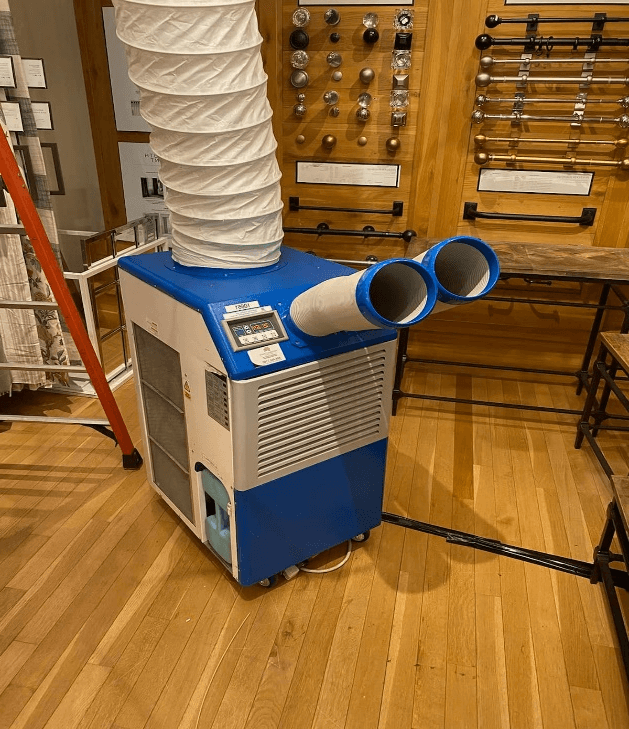
Dual Hose Units: On the other hand, dual hose units have two hoses to draw in hot air from the room and to expel hot air outside. This creates a balanced air pressure in the room, making dual-hose units more efficient and effective than single-hose units.

Mobile air conditioners offer several advantages that make them popular among homeowners and renters.

  • Portability: The most significant advantage of mobile air conditioners is their portability. These units can be moved from room to room as needed, making them a flexible cooling solution.
  • Easy Installation: Mobile air conditioners are easy to install and do not require any permanent installation, making them an ideal solution for renters or those who cannot install central air conditioning.
  • Energy Efficient: Mobile air conditioners are more energy-efficient than central air conditioning units because they only cool the room in which they are located. This means you save energy by cooling empty rooms or spaces.
  • Cost-Effective: Mobile air conditioners are more cost-effective than central air conditioning units in terms of upfront costs and energy consumption.

Drawbacks of mobile air conditioners 

While mobile air conditioners offer several benefits, some drawbacks should be considered before purchasing.

  • Limited Cooling Capacity: Mobile air conditioners are designed to cool small spaces, typically between 100 and 500 square feet. They are not suitable for cooling large areas or multiple rooms.
  • Noise: Mobile air conditioners can be noisy, especially if you are using a single hose unit. The sound of the compressor and fan can be distracting, making it difficult to concentrate or sleep.
  • Space Requirement: Mobile air conditioners require space for venting the hot air outside. This means you need to have a window or venting system available to use the unit effectively.
  • Drainage: Mobile air conditioners produce condensation, which needs to be drained regularly. This means you must have a way to drain the water through a window or a drainage hose.

How to choose the right mobile air conditioner 

Choosing the right mobile air conditioner can be overwhelming, especially if you are new to portable ACs. Here are some factors to consider when making your decision.

  • Room Size: Consider the size of the room you want to cool. Mobile air conditioners are designed to cool small spaces, so choose a unit suitable for your room’s size.
  • Dual Hose vs. Single Hose: Dual hose units are more efficient and effective than single-hose units. Consider investing in a dual hose unit if you have a larger room or live in a hotter climate.
  • Energy Efficiency: Look for a mobile air conditioner with an Energy Star rating, as this indicates that the unit meets energy efficiency standards and will consume less energy.
  • Noise Level: If you plan to use your mobile air conditioner in a bedroom or home office, look for a unit with a low noise level to help you sleep or work more comfortably.
  • Brand Reputation: Look for a reputable brand when shopping for a mobile air conditioner. Brands that have been in business for a long time and have a history of producing quality products are more likely to offer reliable and efficient units.

Maintenance and Care 

  • Clean the Air Filter: Clean the air filter regularly to prevent dust and debris from accumulating and obstructing airflow. A dirty filter can reduce the efficiency of your unit and cause it to work harder than necessary.
  • Drain the Water: Drain the water regularly to prevent it from overflowing and damaging your unit or the surrounding area.
  • Check the hose regularly to ensure it is not blocked or damaged. A blocked or damaged hose can reduce the efficiency of your unit and cause it to overheat.
  • Store the Unit Properly: When not in use, store your mobile air conditioner in a dry and cool place to prevent dust and debris from accumulating and obstructing airflow.

Wrap Up

Mobile air conditioners are a popular cooling solution for those who cannot install central air conditioning or need a temporary solution. They offer several benefits, including portability, easy installation, energy efficiency, and cost-effectiveness. However, they also have some drawbacks, such as limited cooling capacity, noise, and space requirements. 

When choosing a mobile air conditioning units rental, consider room size, hose type, energy efficiency, noise level, and brand reputation. To ensure that your unit operates efficiently and effectively, maintain and care for it properly by cleaning the air filter, draining the water, checking the hose, and storing it properly. You can beat the heat and enjoy a comfortable summer with the right mobile air conditioner and proper maintenance.

Preferred Climate Solutions provide various portable cooling and heating rental solutions 24/7. We offer on-site delivery and setup anywhere in the state of Texas. Call us anytime, and we are ready to help you.
homepage bg spotcoolers sm
Blog

Indoor air quality is critical to a comfortable and healthy living space. A clean and fresh indoor environment provides numerous benefits, including improved respiratory health, increased productivity, and overall well-being. However, ensuring high-quality indoor air can be challenging, especially in areas with high pollution levels, seasonal allergies, or the presence of pets.

Installing an air scrubber in your HVAC system can significantly improve indoor air quality. We will discuss the benefits of an air scrubber and ways to maximize its effectiveness.

What is an Air Scrubber?

An air scrubber is an air purification device installed in an HVAC system. The primary function of an air scrubber is to remove pollutants, such as dust, pollen, mold spores, and bacteria, from the air. Air scrubbers use various technologies, including ultraviolet light, photocatalytic oxidation, and hydroxyl radical production, to purify the air.

Benefits of an Air Scrubber

  • Improved Respiratory Health

Indoor air pollution can significantly impact respiratory health, particularly for people with allergies, asthma, or other respiratory conditions. Airborne pollutants, such as dust, pollen, and mold spores, can trigger respiratory symptoms, including coughing, wheezing, and shortness of breath. An air scrubber can significantly reduce the number of airborne pollutants in the air, thereby improving indoor air quality and reducing the risk of respiratory symptoms.

  • Increased Productivity

Indoor air quality can also have an impact on productivity. Poor air quality can lead to fatigue, headaches, and difficulty concentrating, negatively affecting productivity. An air scrubber can help create a clean and fresh indoor environment, which can help to increase productivity.

  • Odor Control

An air scrubber can also help control odors in the home. Various factors, including cooking, pets, and smoke, can cause indoor odors. An air scrubber can help neutralize these odors, leaving the indoor air fresh and clean.

Are Air Scrubbers & Air Purifiers Are Same?

While air scrubbers and air purifiers are designed to improve indoor air quality, they differ. Air purifiers use filters to capture airborne pollutants, such as dust, pollen, and allergens. In contrast, air scrubbers utilize a combination of technologies, including UV lights and radical hydroxyl production, to remove pollutants and contaminants from the air and surfaces. 

Air scrubbers are typically installed in HVAC systems, providing continuous air purification, while air purifiers are portable devices that can be moved from room to room. Both air scrubbers and air purifiers have unique benefits and are suitable for different situations. Understanding the differences between the two is essential in choosing the best option that best fits your needs.

Another key difference between air scrubbers and air purifiers is the types of pollutants they can remove. While air purifiers can capture airborne particles, they may be less effective at removing surface contaminants like bacteria and viruses. On the other hand, air scrubbers, especially those with Active Pure technology, can eliminate up to 99% of surface contaminants, making them an ideal choice for environments where surface disinfection is critical, such as hospitals, schools, and other high-traffic areas. 

Consulting with a professional HVAC technician can help you make an informed decision and maximize the benefits of your chosen air purification system.

Maximizing the Benefits of an Air Scrubber

  • Regular Maintenance

It is essential to perform regular maintenance. This includes changing the air filters, cleaning the UV lights, and ensuring the system functions correctly. Regular maintenance will ensure that the air scrubber operates at peak efficiency, removing as many pollutants from the air as possible.

  • Proper Installation

Proper installation is also critical to maximizing the benefits of an air scrubber. Working with a licensed and experienced HVAC professional is essential to ensure the air scrubber is installed correctly. Improper installation can lead to reduced effectiveness and potential safety hazards.

  • Optimal Placement

The placement of the air scrubber is also essential. The air scrubber should be installed where the air can flow freely. This will allow the air scrubber to remove pollutants from the air effectively.

  • Regular Cleaning

Regular cleaning of the air scrubber is also essential to maintaining its effectiveness. This includes cleaning the UV lights and replacing the air filters. A dirty air scrubber will not be as effective in removing pollutants from the air.

  • Proper Sizing

Proper sizing of the air scrubber is also critical. An air scrubber that is too small for the HVAC system will not be able to remove pollutants from the air effectively. Working with a licensed and experienced HVAC professional ensures the air scrubber is appropriately sized for the system.

Conclusion

Maintaining a high-quality indoor air environment is crucial for our health and well-being. An air scrubber with Active Pure technology offers a highly effective solution for removing pollutants and contaminants, improving indoor air quality, and reducing the risk of respiratory symptoms. 

By following the recommended tips for maximizing the effectiveness of an air scrubber, we can create a clean and fresh indoor environment that improves our physical health and enhances our productivity and overall well-being. So, don’t wait any longer to invest in an air scrubber and enjoy the benefits of clean and fresh indoor air today.

Preferred Climate Solution offers a range of cooling and heating solutions. If you want an air scrubber rental, then feel free to contact us!

Comprehensive Guide
Blog

Summers can be brutal, and staying cool is not just a matter of comfort but also essential for health. A portable air conditioner (PAC) is perfect for anyone looking to cool down without installing a permanent unit. This guide will cover everything you need to know about choosing and using a portable air conditioner.

What is a Portable Air Conditioner?

A portable air conditioner is a standalone unit that can be moved from room to room. It is an excellent option for people needing central air conditioning or wanting to cool specific rooms without using a window unit. 

Portable AC comes in various sizes, from small units that can cool a small bedroom to larger units that can cool a living room, open-concept space, or any event. They work by drawing in hot air, cooling it through refrigeration, and then releasing the cooled air back into the room.

How to Choose the Right Portable Air Conditioner

When choosing a portable air conditioner, there are several factors to consider.

  • BTU Capacity

A PAC’s BTU (British Thermal Unit) capacity measures its cooling power. The higher the BTU, the more significant the unit’s cooling capacity. When choosing a PAC, consider the room size you want to cool. A general rule of thumb is to have 8,000 BTUs for every 200 square feet of living space. You may need a higher BTU unit if you have a larger room or open-concept living area.

  • Energy Efficiency

Energy efficiency is another crucial factor to consider when choosing a PAC. Look for units with a high SEER (Seasonal Energy Efficiency Ratio) rating, which measures the cooling output per unit of energy consumed. The higher the SEER rating, the more energy-efficient the unit.

  • Noise Level

PACs can be noisy, so consider the noise level when choosing a unit. Look for units with a lower decibel rating, producing less noise while operating. Some units also have a “sleep mode” that reduces the noise level while you sleep.

  • Portability and Size

Consider the size and weight of the unit when choosing a portable air conditioner. Look for units with built-in wheels and handles for more effortless mobility. Make sure the unit’s size suits the room you plan to use it in and that it will fit through doorways and windows.

  • Price

Finally, consider the price of the unit when choosing a PAC. Prices vary widely, with higher BTU units and more energy-efficient units typically costing more. Determine your budget and look for a team that meets your needs within that budget.

Portable Air Conditioner Sizing Guide

Portable air conditioner sizing ensures the unit can effectively cool its intended room. A portable ac’s BTU capacity should match the room’s square footage. However, larger rooms or those with high ceilings may require more BTUs.

The table below provides a sizing guide for portable air conditioners based on room size:

Room Size (Square Feet) BTU Capacity Needed
100-150 5,000
150-250 6,000-7,000
250-350 8,000-10,000
350-450 10,000-12,000
450-550 12,000-14,000
550-700 14,000-16,000

It is essential to note that other factors, such as the number of people in the room, the amount of sunlight that enters the room, and the room’s insulation, can also affect the required BTU capacity. Therefore, it is always best to consult a professional to ensure you choose the correct size portable air conditioner.

How to Use a Portable Air Conditioner

Portable air conditioners are a convenient way to cool specific rooms or areas without the expense and hassle of installing a central air conditioning system. However, it is crucial to use them correctly to ensure optimal performance and energy efficiency. 

Once you have chosen a portable air conditioner, here are some tips for using it effectively.

  • Placement

Place the unit where it can quickly vent hot air outside. Most PACs come with a flexible hose that can be installed in a window or a sliding glass door. Ensure the unit is level and stable to prevent it from tipping over.

  • Temperature Setting

Set the temperature to a comfortable level. It is best to set the unit to a slightly cooler temperature than the room’s current temperature rather than trying to cool it down quickly by setting it too low. 

  • Fan Speed

Adjust the fan speed based on your comfort level. A higher fan speed will help cool the room faster, while a lower fan speed will be quieter and use less energy.

  • Maintenance

Proper maintenance is crucial to ensure optimal performance and longevity. Regular cleaning of the air filter is essential. A clogged filter can reduce airflow and make the unit work harder, increasing energy consumption and potential damage. It is also vital to empty the water reservoir or attach a drain hose to prevent water overflow and possible damage to floors or carpets. 

Are Portable Air Conditioners Any Good?

  • Potable air conditioners can be an excellent solution for cooling specific rooms, outdoor events, or spaces without installing a permanent unit.
  • Portable air conditioners are relatively easy to install and do not require any significant modifications to your home or apartment.
  • They can be more energy-efficient than central air conditioning or window units, as they only cool the space you need rather than an entire house or apartment.
  • Portable air conditioners can be moved from room to room, providing flexibility in their use.
  • Ultimately, the effectiveness of a portable air conditioner will depend on several factors, such as the size of the unit, the size of the room, and the room’s insulation. Choosing the right size unit and following best practices is essential to ensure optimal performance.
  • Renting a portable air conditioner can be a cost-effective solution for those who only need it for a short period or do not want to invest in a unit. 

Money-Saving Features of Portable Air Conditioners

  • Energy-saving modes
  • Programmable timer and sleep settings
  • Eco-friendly refrigerants
  • Dehumidifier
  • Reverse cycle
  • Self-evaporator

Working With Preferred Climate Solutions

portable ac rental in Austin is a wise solution when you need extra cooling. Our cooling and heating rental is a quick & affordable solution. We provide an array of portable cooling and heating rental solutions 24/7. 

Application Pic 1
Blog

In recent times, the importance of indoor air quality has become increasingly evident. With concerns about exposure to pathogens and the effects of natural disasters like wildfires and floods, it is no surprise that homeowners and business owners are paying closer attention they breathe indoors to the air. 

Luckily, solutions, such as air scrubbers, can help improve indoor air quality. These portable devices draw air in and pass it through filters, effectively removing harmful contaminants and pollutants. 

Air scrubbers are essential devices used in construction sites, laboratories, and other industries to remove harmful particles from the air. If you want to rent an air scrubber, it is crucial to understand the basics of these machines and the various factors to consider before making your rental decision. 

This ultimate guide will give you everything you need to know before renting an air scrubber.

What is an Air Scrubber?

An air scrubber purifies air in a given space by removing harmful particles and contaminants. The device draws air through filters that trap and remove particles, such as dust, smoke, mold spores, bacteria, viruses, and other pollutants. The filtered air is then released back into the room, providing cleaner and healthier air for the occupants.

Working on Air Scrubber

Air scrubbers draw in air from the surrounding environment and pass it through a series of filters to remove contaminants. The first filtration stage usually involves a pre-filter that captures larger particles such as dust and pet hair. 

The second filtration stage typically involves a HEPA or activated carbon filter, depending on the air scrubber used. Some air scrubbers also have additional filters to capture volatile organic compounds (VOCs) and other pollutants.

As air is drawn into the air scrubber, it passes through these filters, which trap the contaminants, leaving clean air to be released back into the environment. The purified air is then circulated back into the room or space, improving the overall air quality. 

Types of Air Scrubbers

Various types of air scrubbers are available, each designed for specific applications. The main types of air scrubbers are:

  1. A Dry Scrubber: It removes pollutants from a gas stream using a dry chemical process with a HEPA. Dry scrubbers use solid or powdered sorbent materials to react with and chemically remove contaminants from the air.
  2. A Wet Scrubber: An air scrubber uses a liquid to remove contaminants from the air. The liquid is sprayed into the air, traps, and absorbs pollutants before being collected and disposed of. Wet scrubbers are commonly used in industrial settings to control emissions from factories and power plants.
  3. Integrated Scrubber: Theair scrubber is built directly into a building’s HVAC system. Rather than being a standalone device, an integrated scrubber is designed to work alongside the existing heating and cooling system to improve indoor air quality. These scrubbers are especially useful in more significant buildings, where portable air scrubbers may need to be more practical and effective. Integrated scrubbers typically use a combination of filters and ionizers to remove pollutants from the air. 

The Various Uses of an Air Scrubber

  • To promote a healthier living and working environment by reducing the risk of exposure to harmful airborne particles
  • To control odors caused by smoke, cooking, pets, and other sources
  • To remove volatile organic compounds (VOCs) and other types of pollutants from the air, which can cause health problems and unpleasant odors
  • To assist in disaster recovery efforts by removing smoke, soot, and other contaminants following a fire or flood
  • To improve the air quality in industrial settings by removing dust, fumes, and other hazardous particles from the air
  • To help prevent the spread of airborne illnesses, such as influenza or COVID-19, by removing virus particles from the air.

Factors to Consider When Renting an Air Scrubber

Before renting an air scrubber, there are various factors that you should consider. These include:

  • Size of the Area – The area where the air scrubber will be used is an essential factor to consider. You will need to rent an appropriate air scrubber for the size of the site to ensure it is effective.
  • Type of Contaminants – If you are dealing with mold, bacteria, and viruses, a HEPA air scrubber is the best choice. If you are dealing with odors and chemicals, an activated carbon air scrubber is the best choice.
  • Airflow Rate – The airflow rate of the air scrubber is another critical factor to consider. This is measured in cubic feet per minute (CFM). You will need to ensure that the air scrubber you rent has a reasonable airflow rate to effectively clean the air in the area.
  • Power Source – Some air scrubbers run on electricity, while others are battery-powered. Choosing an appropriate air scrubber for the power source available at your location would be best.

Renting an Air Scrubber

Before renting an air scrubber, it is essential to understand the different models available. Some air scrubbers are designed for larger spaces with a higher airflow rate. These air scrubbers are ideal for industrial settings or more significant buildings. 

On the other hand, more portable air scrubbers are better suited for smaller rooms or spaces in a home or building. These models are easier to move and typically have a smaller footprint, making them an excellent choice for residential settings. 

Understanding air scrubbers’ different features and capabilities can help you choose the suitable model. Contacting a rental representative can also help you decide which air scrubber suits your particular situation.

For more information about air scrubber rental for your requirement, contact Preferred Climate Solutions!

What we offer

DEFENDAIR HEPA 500 PCS-2000 Hepacart™ HC55U-L and HC74U-L Standard
  • high-efficiency unit
  • 3-stage filtration
  • 250-500 CFM
  • 2,000 CFM
  • Runs on 115 volts, 15 Amp current.
  • 3-stage system with true HEPA 
  • 1000 CFM
  • Runs on 115 volts
  • Come up with an embedded Negative Air Machine
hpcs 18
Blog

Do you need a cost-effective way to stay warm in the winter months? Our heater rental options are the best! Preferred Climate Solution’s heater rental options include a variety of heaters to suit your budget and needs. We will discuss the advantages of renting heaters, the available heaters, and how to select the best heater for your space.

The Advantages of Renting a Heater

Renting a heater is better than buying one. It is cost-effective, primarily if the heater will be used for a short time. Renting a heater is cheaper than buying one as you will only use for a short time.

Renting a heater lets you try different heaters and see which suits your space best. This is especially helpful if your area requires a larger heater or you need help deciding what heater you should buy.

You don’t have to worry about repairs and maintenance. You save time and money by heat pump rental solution.

Commercial heating systems allow you to regulate the temperature and not have to spend on a long-term, expensive solution.

There are many types of heaters that you can rent. Each one has its advantages and disadvantages. These are the most popular types of heaters that you can rent:

  1. Electric heaters: These are popular for small spaces because they are simple to use and affordable. The heater heats the element within the heater and radiates heat to the surrounding area. They are portable and can be moved easily from one room to the next.
  2. Gas heaters: These are popular for larger spaces because they are more powerful and efficient than electric heaters. The heaters work by heating propane or natural gas to produce heat. This heat is then distributed through a fan. Although gas heaters are more expensive than electric heaters to heat larger areas, they are usually more efficient.
  3. Oil-filled heaters: The oil heats the element and then radiates heat to the surrounding area. Because they don’t require maintenance, oil-filled heaters make an excellent choice for small spaces.
  4. Radiant heaters: Radiant heating works by emitting infrared radiation. This heats the space directly rather than heating the air. Radiant heaters are great for high-ceiling areas or outdoor areas. They can heat large areas quickly and efficiently.
  5. Convection heaters: Convection heaters heat and circulate the air with a fan. Because they heat the air efficiently and quickly, they make a great choice for larger spaces.

How to choose the best heater for your space

There are many factors you should consider when choosing a heater to rent. First, determine how big the space you want to heat. This will allow you to determine the power of your heater.

Second, consider which heater will best suit your space. An electric or oil-filled heater might be enough if you have a small space. A gas or convection heater might be better if you have more space.

You should also consider safety features such as tip-over protection and overheating protection. This is especially important for if you have toddlers & pets.

If you need a heating/cooling solution on rent, try Preferred Climate Solution. We offer all types of heaters and coolers on rent in Texas. Contact us now!

,
dehumidifier
Uncategorized

A mobile air conditioner rental can be an excellent cooling option, whether you are hosting an outdoor event or working in an area without central air conditioning. 

This blog will discuss the benefits of renting a mobile air conditioner.

What are Portable Cooling Solutions?

Portable cooling solutions can be described as portable air conditioners that can be moved around and used in various locations. These units can cool small or big spaces and provide a temporary cooling solution for areas where a central air conditioner is not practical or available. You can find the perfect unit by choosing from various capacities and sizes.

The benefits of portable cooling solutions

  • Cost-Effective

A Portable Air Conditioner rental can be a cost-effective option for cooling short-term needs. Renting a portable air conditioner is a cheaper option than buying one. You only pay for what you use. A portable air conditioner can be rented to save on long-term maintenance costs and storage.

  • Easy to install

The portable air conditioners can be installed in minutes and don’t require permanent installation. You can place them in any space or location. They use a simple venting system that exhausts hot air outside. They are an excellent option for temporary cooling or events.

  • Flexible cooling capacity

You can find portable air conditioners in many sizes and capacities to select the one that best suits your cooling needs. No matter how small or large your cooling needs are, there’s a portable conditioner for you.

  • Energy efficient

The energy efficiency of portable air conditioners makes them more efficient than central air conditioners. This will help you save money on your energy bills and reduce your carbon footprint.

  • Improved Air Quality

Air filters can be fitted to portable air conditioners that help improve indoor air quality. These filters trap allergens and dust particles, making the indoor environment healthier.

Why rent a mobile air conditioner unit?

A mobile air conditioning units rental can be done for various reasons, including the possibility of saving money on purchasing one. 

These are the top benefits of renting a mobile conditioner unit:

  • Flexibility: A mobile air conditioner can be rented for a great price, and you have a lot of flexibility. A unit can be rented for a specified period, such as for an event or temporary workspace. You don’t have to worry about long-term maintenance and purchasing costs.
  • Cost-Effective: A unit purchased outright can be costly, and you might need to use it more to justify the cost. Renting a unit is more economical than buying it outright. You only pay for what you use, making it more affordable in the long term.
  • Expertise: You can trust the knowledge of the rental company when you rent a mobile air conditioner. They will help you select the unit that suits your needs. You can also get installation and maintenance services from the rental company, which can help you save time and hassle.
  • Quality: A mobile air conditioner rental ensures you get a quality unit in good condition. You can trust that the unit you rent is reliable and will work as it should.

Exploring portable cooling rental options 

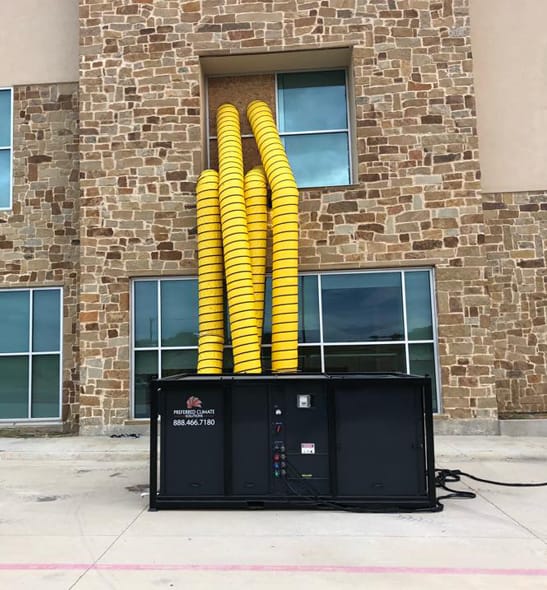
Preferred Climate Solutions offer a wide range of portable cooling options for your facility, including spot cooler, swamp cooler, temporary air conditioning, and many more. 

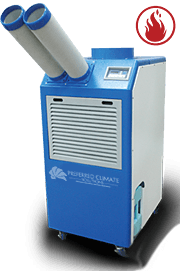
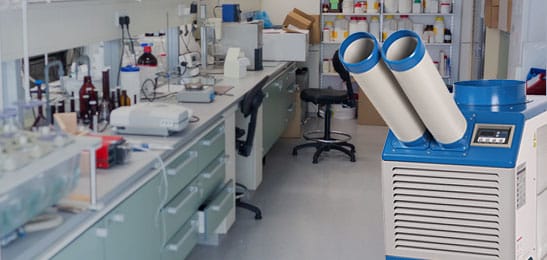
  • Spot cooler: Spot coolers are portable air conditioners – offices, factories, Laboratories, hospitals, or any place that requires cooling. Spot cooling saves you the expense and inconvenience of cooling a whole room or building. Our spot coolers can cool areas ranging from 250 sq. ft. to 2,100 sq. ft. 
ModelBTUVolts
PCS-1010,0001 Phase, 115V
PCS-1413,2001 Phase, 115V
HPCS-1413,200 Cool / 14,520 Heat115
OP-6060,0001 Phase, 208/230V
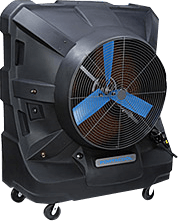
  • Evaporative Cooler: Thesecoolers come in different power ranges for your particular application and can bring immediate relief to locations from 1,000 square feet up to more than 5,000 square feet of area. It works with tap water and a little boi of electricity.
ModelCooling CapacityVolts
JETSTREAM 2401,125 sq. ft.115
JETSTREAM 2603,125 sq. ft.115
JETSTREAM 230900 s.f. / 84 m2115
  • Specialized Portable AC Units: We provide custom-made event air conditioning units that are the best in the industry. They have power distribution and internal transformers, so they don’t draw down your power supply. A thermostat controls them from the inside.
ModelBTUVolts
PCS-5 (TON)60,000480/3
PCS-10 (TON)120,000480/3
PCS-40 (TON)450,000480/3
  • Water-Cooled Air Conditioners: These AC come with a deluxe electronic controller with a large LED display. 
ModelBTUVolts
OWC121111800115V/1PH
OWC241223950208-230V/1PH
OWC363236100208-230V/3PH
  • Power Breezer Fan: These fans are designed to cool outdoor spaces or larger indoor areas. Fans cool up to 3,000 square feet by up to 27 degrees, with fans capable of moving 14,000 CFM.
ModelCooling CapacityVolts
BREEZER OASYS1,500 sq. ft.110
POWER BREEZER TITAN3,000 sq. ft.110
POWER BREEZER MACH 435000 BTUs230

Check out more solutions (Models) at Preferred Climate Solutions!

Temporary Cooling Solutions for Companies

We have locations in Houston, Dallas/Ft Worth & Austin, Texas. Though Houston is our home, we offer on-site delivery and setup anywhere in Texas. We also rent Port-a-Cool evaporative coolers, Dri-Eaz dehumidifiers, commercial air conditioners for rent, and a full line of heating systems. Call us now for your cooling & heating solutions!

, ,
OWC ACCESSORIES 1200x1215 1
Uncategorized

The salamander heater is a top choice for heating space quickly and efficiently. These powerful heaters can be used in various settings, from construction sites and warehouses to garages and workshops. 

This blog post will take a closer look at what a salamander heater is, how it works, and some of its key benefits.

What is a Salamander Heater?

A salamander heater is a portable electric heater designed to heat an ample space quickly. It gets its name from the shape of its heating element, which is long and narrow, resembling the body of a salamander. These heaters typically have a fan that helps to distribute the heat evenly throughout the space.

How Does a Salamander Heater Work?

A salamander heater uses an electric heating element to generate heat. The heating element is typically made of metal and is heated by electricity. The fan blows air across the heating element, which heats the surrounding air. This heated air is circulated throughout the space, raising the overall temperature.

The heat generated by a salamander heater can be adjusted using a thermostat or a control knob, allowing you to set the desired temperature for your space. Some models come with a timer, allowing you to select the heater to turn on and off at specific times.

Benefits of Using a Salamander Heater

There are several benefits to using a salamander heater, including:

  • Quick heating: One of the most significant advantages of a salamander heater is its ability to heat an ample space quickly. That makes it an excellent choice for construction sites, warehouses, and other large indoor areas where rapid heating is needed.
  • Portable: Many salamander heaters are designed to be portable, which makes them easy to move from one location to another. This is ideal for spaces used for multiple purposes or construction sites where the heater needs to be moved as work progresses.
  • Efficient: Salamander heaters are very efficient at heating a space. This is because they use electricity to generate heat, a relatively cheap and abundant energy source.
  • Safe: Salamander heaters are typically very safe to use. They do not produce any harmful emissions and do not require any fuel to operate.
  • Cost-effective: Salamander heaters are generally more cost-effective than other heaters, such as gas or oil-fired heaters. They do not require particular installation or maintenance, and their operating costs are relatively low.

Types of Salamander Heaters

There are two main types of salamander heaters: electric and propane. Electric salamander heaters are powered by electricity and are typically the most common type of salamander heater. They are easy to use and require no unique installation or maintenance. Propane salamander heaters are powered by propane and are typically used in outdoor or semi-outdoor spaces.

Electric Salamander Heater

  • Electric Salamander heaters are powered by electricity and are typically the most common type of salamander heater.
  • They are easy to use and require no particular installation or maintenance.
  • They are ideal for indoor spaces where quick heating is needed and cost-effective.

Propane Salamander Heater

  • Propane Salamander heaters are powered by propane and are typically used in outdoor or semi-outdoor spaces.
  • They are ideal for outdoor.

At Preferred Climate Solutions, our fleet includes a variety of commercial-grade electric heater rental

We have the Chromalox RRA Salamander Blower Heating System for smaller jobs. 

  • This salamander heater is available in both 15KW and 30-KW versions. 

The ChromaloxSDRA SuperDragon blower heater can heat more extensive areas to 204,000 BTUs. 

  • They are used for industrial heating processes that require temperatures up to 180oF.

We also have the Mosebach HX60 electric heater

  • This heater can generate 205,000 BTUs and boasts a 2,400 CFM fan. 
  • It can be installed outdoors and comes with an optional 50-duct.

Our electric heaters are safe and can be left on their own while being used.

Salamander Heater: What are its uses?

Salamander heaters are a great temporary heating option, especially for large open spaces. Salamander heaters are commonly used in:

  • Construction sites: Employers must provide comfortable working conditions for their employees. This includes comfortable temperatures at the job site. It is also used to cure plaster and concrete faster.
  • Outdoor events: It is excellent for events, especially in freezing weather.
  • Warehouses: A salamander heater is an excellent option for those who work in well-ventilated areas such as warehouses or workshops.
  • Garages: If there is adequate ventilation, an electric salamander heater is used to heat the garage.
  • Office spaces Not all office buildings have central heating. An electric salamander heater is a great option. Before using a salamander heater, you should ensure that your indoor space has adequate ventilation.
  • Drying applications A salamander heater is a great way to reduce water damage caused by flooding or inclement weather.
  • Heat treatment for pest control A less-known benefit of salamander heaters is that they are used to eradicate insects or pests. The heat from the thermal area heater dehydrates larvae to prevent egg hatching.

The heater we reviewed above is an effective source of heat used in various settings. This heater could be your ideal choice if you are looking for a way to heat an ample space quickly. The design is sleek and comfortable, and the price will stay within the budget.

The salamander heater rental is the perfect solution for heating small/big indoor or outdoor spaces. Like any other heating apparatus, it’s essential to follow the manufacturer’s instructions and directions when using a salamander heater. To find out more about these heaters, head to our site!

, ,
dehumidifier
Uncategorized

When it comes to heating large commercial or industrial spaces, indirect-fired heaters are a smart choice for maintaining consistent and controlled temperatures. But what exactly are indirect-fired heaters, and how do they differ from direct-fired heaters? 

This blog post will discuss indirect-fired heaters’ key features and benefits and explain why they’re the preferred choice for many businesses and facilities.

First, let’s define direct and indirect-fired heaters. 

Direct-fired heaters burn fuel directly in the heating chamber, which heats the air circulated throughout the space. 

On the other hand, indirect-fired heaters use a heat exchanger to transfer heat from the combustion process to the air circulated throughout the space. That means that the heated air never comes into contact with the combustion process, making indirect-fired heaters a safer and more efficient option.

One of the most significant advantages of indirect-fired heaters is their ability to provide consistent and controlled temperatures. Because the heat exchanger separates the combustion process from the heated air, the temperature can be easily regulated and maintained consistently. 

This is especially important in large commercial or industrial spaces, where maintaining a consistent temperature is crucial for employee comfort and productivity.

High efficiency

Another benefit of indirect-fired heaters is theirhigh efficiency. Because the heat exchanger separates the combustion process from the heated air, the heat energy can be used more effectively and with less waste. This means that indirectly fired heaters use less fuel to heat the same amount of space, resulting in significant energy savings over time.

Durable

In addition to their energy efficiency, indirect-fired heaters are also known for their durability and long lifespan. The heat exchanger is typically made from durable materials such as stainless steel, which can withstand the high temperatures and pressures of the combustion process. This means that indirect-fired heaters require less maintenance and repairs and can last many years with proper care and maintenance.

Provide clean & safe heat

Another benefit of indirect-fired heaters is their ability to provide clean, safe heat. There is no risk of carbon monoxide or other harmful gases entering space. This makes indirect-fired heaters a safer option for commercial and industrial spaces, especially those where people spend extended periods.

Versatile

Indirect-fired heaters are also versatile and can be used in various settings. They are commonly used in large commercial and industrial spaces such as warehouses, manufacturing facilities, and distribution centers. They are also used in outdoor settings such as construction sites and agricultural facilities.

Increased Flexibility

Because the combustion process is separate from the air or fluid being heated, indirect-fired heaters can be designed to heat various fluids, including air, water, and thermally conductive fluids. Additionally, indirect-fired heaters can be designed to heat various industrial processes, including space heating, process heating, and drying.

Low Maintenance

Indirect-fired heaters also require less maintenance than direct-fired heaters. There is less wear and tear on the heat exchanger. Additionally, the design of indirect-fired heaters allows for using a heat exchanger specifically designed for the fluid being heated, which can further decrease maintenance.

Cost Effective

Lastly, Indirect fired heaters are cost-effective in the long run. The heat exchanger is a vital component of the indirect-fired heater, which can be replaced at a lower cost than replacing the entire unit. Additionally, indirect-fired heaters are more energy-efficient, which can result in significant cost savings over time.

FAQs about Indirect-fired Heater

What is an indirect-fired heater? 

An indirect-fired heater is an industrial heating equipment that uses a heat exchanger to transfer heat from the combustion process to the heated air or fluid. This design allows for more excellent safety, efficiency, and flexibility in heating various fluids and industrial processes.

How does an indirect-fired heater work? 

An indirect-fired heater burns fuel in a separate chamber from the heated air or fluid. The heat generated by the combustion process is then transferred to the air or fluid through a heat exchanger. This design allows for excellent safety and efficiency in heating various fluids and industrial processes.

What are the benefits of using an indirect-fired heater? 

The benefits of using an indirect-fired heater include increased safety, increased efficiency, increased flexibility, low maintenance, and cost-effective nature. Indirect-fired heaters can be used to heat a variety of fluids, including air, water, and thermally conductive fluids. They can be used in various industrial processes, including space heating, process heating, and drying.

Can indirect-fired heaters be used in outdoor or harsh environments? 

Yes, indirect-fired heaters can be used in outdoor or harsh environments. They are designed to withstand various weather conditions and can be equipped with additional features, such as weatherproofing and corrosion-resistant materials, to ensure reliable operation in harsh environments.

How often do indirect-fired heaters need to be serviced? 

The frequency of service required for indirect-fired heaters will depend on the specific unit and the conditions in which it is used. However, indirect-fired heaters require less maintenance than direct-fired heaters and have a long lifespan.

Can indirect-fired heaters be integrated into existing heating systems? 

Yes, Indirect fired heaters can be integrated into existing heating systems. They can be used as a primary or supplementary heat source and connected to existing ductwork or piping. Additionally, Indirect fired heaters can be equipped with temperature control systems, allowing for precise temperature control and consistent heating. In conclusion, indirect-fired heaters are a smart choice for businesses and facilities that need consistent and controlled temperatures. With high efficiency, durability, and safety, indirect-fired heaters offer many benefits over direct-fired heaters. They are a cost-effective and long-term solution for heating large commercial and industrial spaces, and their versatility makes them suitable for a wide range of settings.

1 1
Blog

‍Living in cold climates can be hard to bear, and often it requires a hefty energy bill to keep your home or facility warm in the winter. But what if you could stay cozy and save money simultaneously? That’s where portable heat pumps come in. Renting a portable heat pump is an effective and economical way to keep warm while saving money on energy costs.

Let’s get started!

Introduction to Portable Heat Pumps

portable heat pump is a device that moves heat from one place to another to provide efficient heating and cooling. Portable heat pumps are an energy-efficient alternative to traditional heating and cooling systems. They are also more affordable and accessible to install than other heating and cooling systems.

Portable heat pumps work by compressing a gas, such as Freon, to heat or cool the air. The gas is compressed and released, creating a heating or cooling effect. This process is called the refrigeration cycle. The heat pump uses the refrigeration cycle to transfer heat from one place to another. A heat pump can lower your electricity use by approximately 50%.

Advantages of Renting a Portable Heat Pump

There are many advantages to heat pump rental compared to other heating and cooling systems. 

Affordable: Portable heat pumps also require less maintenance and installation time than other systems. They are also more energy efficient than other systems and can help you save money on your energy bill.

Versatile: They can be used in various locations, including outdoor events, basements, garages, sheds, and many other places. They are also used to heat or cool larger areas, such as a whole house.

Easy to install and use:  All you need to do is plug them in and set the temperature. You can also move them from one location to another as needed.

What to Consider Before Renting a Portable Heat Pump

Before renting a portable heat pump, you should consider a few things. 

Size: You’ll want to ensure you get a unit that is the right size for your space. It should be powerful enough to heat or cool the area you need but not so powerful that it’s wasting energy.

Cost: Portable heat pumps are generally more affordable than other heating and cooling systems, but they can still be expensive. Make sure to compare prices to get the best deal.

Installation time: Portable heat pumps are easy to install, but they can still take some time to set up. Make sure you have the time and resources to install the unit properly.

The Different Types of Portable Heat Pumps

The most common type is the air-source heat pump. These pumps use air as the source of heat and can be used to heat or cool a room or a whole house.

There are also water-source heat pumps, which use water as a heat source. These pumps are more efficient than air-source pumps but are also more expensive.

Geothermal heat pumps are another option. These pumps use geothermal energy to heat or cool a space. They are more efficient than air- or water-source pumps but are also more expensive. The US Environmental Protection Agency (EPA) reported that homeowners could save as much as 70% on heating and half the cost of cooling with geothermal.

Finally, hybrid heat pumps combine air, water, and geothermal energy to heat or cool a space. These pumps are more efficient than other types of pumps, but they are also more expensive.

Portable Heater vs. Portable Heat Pump

When it comes to heating a space, you may wonder if you should rent a portable heater or a portable heat pump. Both are great options, but they have their differences.

A portable heater is a device that uses electricity to generate heat. It is usually more affordable than heat pumps, but they can be less energy efficient. Portable heaters can also be noisy and can create a lot of dust and allergens.

On the other hand, a portable heat pump uses the refrigeration cycle to transfer heat from one place to another. They are more energy efficient than portable heaters and can be used to heat or cool a space. They are also quieter and generate less dust and allergens.

Portable Heat Pump Rental Options

There are several rental options when it comes to portable heat pumps. You can rent a unit from a local home improvement store or a company specializing in portable heat pumps like Preferred Climate Solutions. You can also rent a unit from an online retailer.

How to Choose a Portable Heat Pump Rental Company

When choosing a portable heat pump rental company, you’ll want to ensure they are reliable and offer good customer service. You’ll also want to ensure they have reasonable rates and a good selection of heat pumps.

You should also make sure the company offers installation and maintenance services. It will ensure your unit is installed correctly and maintained regularly.

Finally, ensuring the company offers good product warranties would be best. 

Portable Heat Pump Tips

Finally, here are a few tips to help you get the most out of your portable heat pump:

  1. Make sure you get the right size for your space. A too-small unit won’t be able to heat or cool your room effectively, and a too-large unit will waste energy.
  2. Clean the filter on your unit regularly. This will keep it running efficiently and prevent dust and allergens from circulating in your home.
  3. Make sure to install the unit properly. This will ensure it runs efficiently and safely.
  4. Has the unit been serviced regularly? This will help keep it running smoothly and reduce the risk of breakdowns.
  5. Make sure to keep the area around the unit free of debris. This will help it run more efficiently and reduce the risk of fire.

Conclusion

Renting a portable heat pump is a great way to stay warm and save money on energy costs. They are affordable, easy to install, and energy efficient. Several portable heat pumps are available, and you can rent a unit from a local store or an online retailer. Just compare prices and choose a reputable company with good customer service.

Finally, keep these portable heat pump tips in mind to ensure your unit runs efficiently and safely. With a bit of research and preparation, you’ll be able to stay cozy and save money with a portable heat pump rental!

,
heater rental service
Blog

With winter just around the corner, many of us are considering ways to keep our homes & facility warm and comfortable. Portable heat pumps are a great way to do just that, and with the proper knowledge, you can maximize your efficiency and save money. In this blog post, we’ll look at portable heat pumps, their benefits, efficiency, and how to choose the best one for your needs. We’ll also discuss maintenance’s importance and provide tips for keeping your portable heat pump running in tip-top shape.

What is a Portable Heat Pump?

A portable heat pump is a device that uses electricity to transfer heat from one location to another, often from outside to inside. Most are designed to be used in colder climates and require some form of insulation to prevent heat loss. They typically come in two varieties: air-source and ground-source. Air-source pumps use air from outside the home to collect heat and transfer it indoors, while ground-source pumps use geothermal energy from the earth’s crust to collect and transfer heat.

The biggest benefit of a portable heat pump is that it is much more efficient than a traditional furnace or electric space heater. Heat pumps use less energy to produce heat, meaning you can save a lot of money on energy costs. That makes them a great choice for those looking to reduce their energy bills.

Benefits of a Portable Heat Pump

Heat pumps are great for a variety of reasons:

  1. They are incredibly efficient, meaning that you’ll save money on energy bills.
  2. They are easy to install and maintain, making them ideal for those with limited DIY skills.
  3. They are incredibly versatile and can be used in a variety of applications.

Most portable heat pumps require some form of insulation to maximize efficiency. They also don’t require an exhaust vent like a furnace, meaning they are much safer. Furthermore, they are great for those living in apartments or other small spaces as they can be easily moved and don’t require a large installation.

Heat Pump Efficiency

Heat pump efficiency is measured by the Coefficient of Performance (COP). This measures how much energy is used to produce heat versus how much energy is lost. Generally, the higher the COP, the more efficient the heat pump. Most portable heat pumps have a COP of between 3 and 5, with some higher-end models boasting a COP of up to 8.

Aside from the COP, other factors can also affect the efficiency of a heat pump. The type of insulation used, the unit’s size, and the climate you live in can all impact the efficiency of your heat pump. For example, in colder climates, you’ll want to make sure that you invest in a higher-end model with a higher COP to ensure maximum efficiency.

Advantages of Portable Heat Pumps

Portable heat pumps are great for various reasons, but one of the biggest advantages is their portability. Unlike traditional furnaces, you can move a portable heat pump from room to room or even from home to home, depending on your needs. That makes them great for those who live in apartments or other small spaces where a traditional furnace would not be feasible.

Furthermore, portable heat pumps are incredibly efficient. They use less energy to produce heat, meaning you can save money on energy bills. This makes them a great choice for those looking to reduce their energy consumption and carbon footprint.

Factors to Consider When Choosing a Portable Heat Pump

When choosing a portable heat pump, there are a few factors to consider. First, you’ll want to ensure that the model you choose is the right size for your space. A unit that is too small won’t be able to heat the room properly, while one that is too large will waste energy.

You’ll also want to consider the type of climate you live in. In colder climates, you’ll want to invest in a higher-end model with a higher COP to ensure maximum efficiency. Furthermore, you’ll want to ensure that the unit is properly insulated to prevent heat loss and maximize efficiency.

Factors Affecting Heat Pump Efficiency

There are a few factors that can affect the efficiency of your heat pump. 

The type of insulation used is a big one. Proper insulation is essential for preventing heat loss and maximizing efficiency. Additionally, the size of the unit and the type of climate you live in can affect your heat pump’s efficiency.

Another factor to consider is the type of heat pump you are using. Air-source pumps use air from outside the home to collect heat and transfer it indoors, while ground-source pumps use geothermal energy from the earth’s crust to collect and transfer heat. Each type of heat pump has advantages and disadvantages, so it’s important to research and choose the one that’s right for you.

Portable Heat Pump Rental

For those who don’t want to purchase a portable heat pump, renting is always available. Heat pump rental companies offer a variety of heat pumps for rent, making them a great option for those looking for a more cost-effective option. These companies typically offer installation and maintenance services, meaning you can rest easy knowing that your heat pump is in good hands.

Maintenance Tips for Portable Heat Pumps

Like any other appliance, your portable heat pump will need regular maintenance to stay in good working order. Including checking the filters, changing the oil, and ensuring all parts are in proper working order. Additionally, you’ll want to ensure that the unit is properly insulated to prevent heat loss.

Finally, it’s significant to keep an eye on your energy bills. If you notice an increase in energy costs, it could be a sign that your heat pump is not running as efficiently as it should be. In this case, it’s best to call an HVAC technician to come and take a look at the unit to ensure everything is running properly.

Conclusion

With the right knowledge and maintenance, you can maximize your efficiency and ensure that your heat pump runs at its best. When choosing a portable heat pump, it’s important to consider factors such as size, climate, and insulation, as well as the type of heat pump you choose. Additionally, heat pump rental is a great option for those who don’t want to commit to purchasing a unit. These tips will help you get the most out of your portable heat pump and maximize its efficiency.

,
Scroll to Top