Blog

Application Pic 1
Blog

One of the internet’s greatest weaknesses is misinformation. Rumors get started, word of mouth spreads and before you know it everyone “knows” what’s true about everything. This has largely been the case with air-cooled A/C units, as many people seem to be very confused about how they work and their capabilities. The truth is air-cooled A/C is actually one of the best options for cooling indoor spaces in hot, dry climates. Forget what you’ve heard, here are seven myths about water-cooled air conditioners people need to stop believing.

  1. Water Cooled A/C Doesn’t Work as Well as Air Cooled AC

Let’s start with the most popular misconception about water-cooled AC. Conventional air-cooled A/C units remove heat from inside air by pushing it outside. So long as you have electricity and a way to vent the hot air to the outdoors, you can place them just about anywhere, and they don’t need to take up a lot of space. This makes installation and maintenance easier, but it doesn’t actually mean they cool air more efficiently.

Water-cooled A/C units have their drawbacks, but they have a significant advantage air-cooled A/C units will never have: cooling efficiency. Thanks to physics, water-cooled A/C possesses a heat flux and consistency of cooling superior to air-cooled units by a factor of 10-100.  Hot air passing through a water cooler and into a space is always cold, and so a water-cooled A/C unit produces colder air coming into a room at a fast, reliable and more consistent rate.

  1. Water Cooled AC is Only Effective For Small Spaces

The second myth is as easily dispelled as the first. Water-cooled A/C systems are ideal for keeping large spaces like warehouses and large commercial or residential buildings cool all year long. Contrary to popular belief, the more space you have for a water-cooled A/C system, the more efficiently it will function since it works best with more space between the cooling towers. Large spaces are actually best cooled by a water-cooled A/C compared to an air-cooled A/C system.

  1. Water Cooled AC Does is Not Effective in Areas/Regions With High Ambient Temperatures

Hot air coming into a water-cooled A/C system does not present the same problem as it does for an air-cooled A/C unit. The exposure to refrigerant lines in air-cooled A/C is far less efficient than the heat transfer matrix used by water-cooled A/C.

Incoming air is always hotter from an air-cooled unit, but a water-cooled A/C brings in significantly cooler air as it is circulating out any hot air already in the room. No matter how hot it is outside, a water-cooled A/C will always cool faster and better than an air-cooled A/C unit.

  1. Water-Cooled AC Units Take Up More Space Than Air-Cooled AC

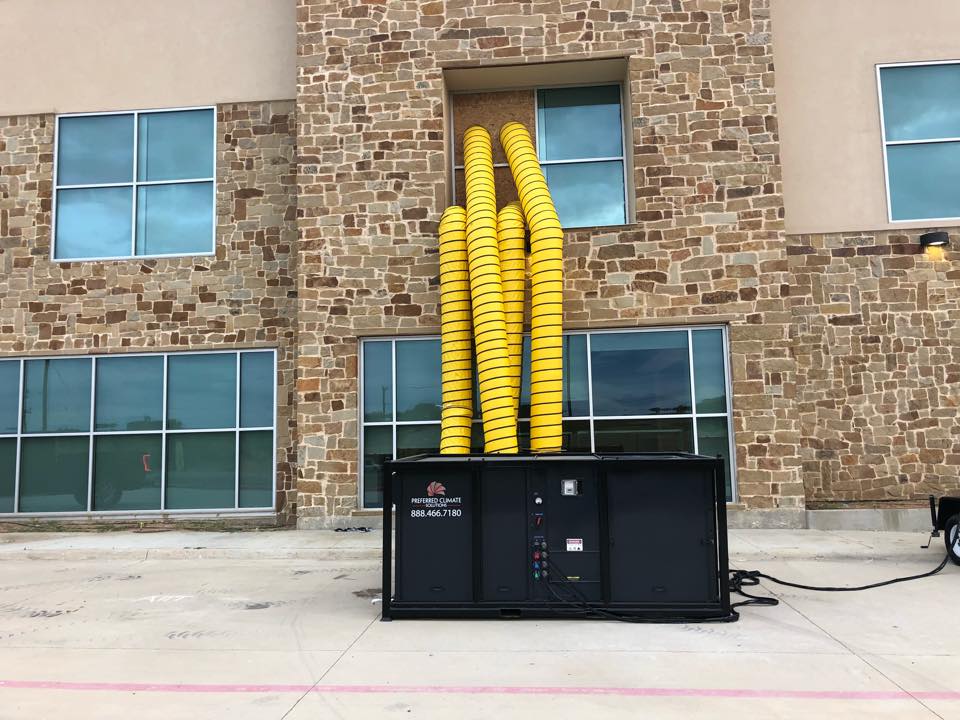
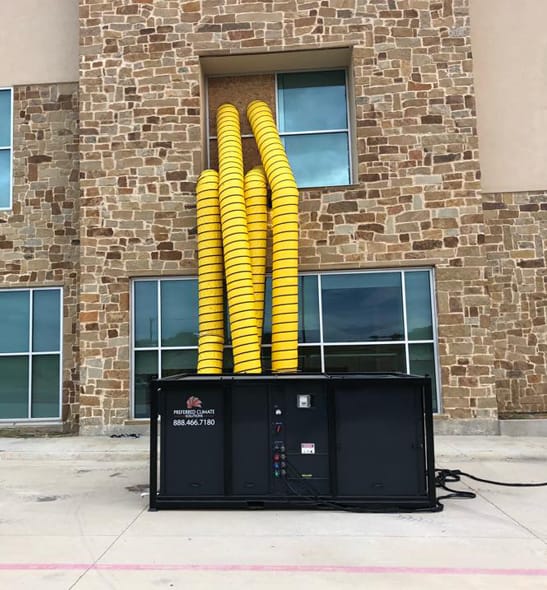
This may have been true in the past, but recent advances in technology and design have rendered this argument moot. Water-cooled units can easily be installed in the same or similar spaces that would traditionally only accommodate an air-cooled A/C unit. There are even air-cooled portable units that can be used on-demand should the main A/C system at a location or facility go offline.

  1. Water-Cooled AC Uses More Energy Than Air-Cooled AC

Given that water-cooled A/C units don’t need to run as often to keep inside air cooler, they actually use significantly less energy than air-cooled A/C. They do more using less all the time since they can cool incoming air more efficiently, and they run the exhaust system less often because the air inside stays cooler longer.

  1. Water Cooled AC Wastes Water

Many homeowners and facility managers get wide-eyed when they hear the words “water-cooled A/C” for the first time. Some estimate that they will drive up utility costs since they require two resources: water and power. The fact is that water-cooled units recycle up to 95 percent of the water they use every day, and they use less electricity because they cool air more efficiently and so don’t need to run as often.

  1. Water Cooled AC Costs More To Rent Than Air-Cooled AC

While the cost per unit is higher with a water-cooled A/C if you are purchasing one, the rental fees are actually the same. We offer portable water-cooled A/C to our clients since it often provides an optimal cooling solution during the arid, scorching Texas summers. Sometimes an air-cooled A/C unit is the best solution, but even these reliable workhorses are no match for certain hot weather or specific scenarios where the internal heat is almost as great as the external heat.

Need portable air conditioning? Preferred Climate Solutions can help you find the best way to keep your business or event cool this summer without spending a fortune on fees and utilities. Contact us today to learn more about our water-cooled portable A/C units.
swamp coolers fimg
Blog

Looking to keep cool in the searing Texas summer heat? A portable evaporative cooling (EVC) system is less expensive and energy-hungry than traditional portable air conditioning units and an inexpensive way to cool large areas without high utility bills. Before you run out and rent an EVC for your next event or to cool off your business/workplace, however, here are ten important things you need to know:

  1. Locations Suitable for an EVC System

Due to their eco-friendly and energy-efficient design, EVCs are effective in almost any location where a normal fan can be placed. Outdoor cafes, repair shops, factory spaces, churches, grocery stores and almost anywhere else you want to cool the ambient air temperature is ideal for setting up an EVC.

  1. Local Climates Appropriate for an EVC System

High temperatures with low humidity are the best climate for using an EVC, and users have reported temperature reductions as high as 20-40 degrees Fahrenheit even on days when the prevailing weather conditions were extremely warm. The dry heat of Texas in the summer makes almost any location perfect for cooling with an EVC.

  1. Benefits of Choosing an EVC System

Deciding to use an EVC over a portable AC system to keep an area cool may seem like choosing second best, but there are many benefits to setting up an EVC that make it the smarter choice. Here are a few examples:

  • Energy Efficiency

Most EVCs consume about as much energy as a ceiling fan or large area circulation fan. There isn’t a portable air conditioning solution that can offer that.

  • No Increase in Carbon Footprint

Ecologically conscious businesses looking to reduce or eliminate their carbon footprint are the ideal customer for an EVC. If environmentally-friendly cooling solutions are important to you, your team and your customers, an EVC is definitely the way to go.

  • Doesn’t Contribute to Air Pollution

Portable air conditioners have a significant drawback in terms of air pollutants, particularly if their filters are not changed regularly. Conversely, an EVC uses a much more effective filtration system to keep dirt, pollen and other airborne or odor-causing pollutants out of the air. Better air quality means a better environment for everyone at your facility, employees and customers alike.

  • Practical, Portable and Cost-Effective

Here’s how using an EVC works: rent your EVC, from preferred climate solutions, wait for delivery, ask us to wheel it to where it will offer the greatest cooling impact, and power it up. That’s it. We’ll make sure the filter is clean and the reservoir is filled before we go. Your electric bill won’t go through the roof, we do all the heavy lifting, and you can place an EVC anywhere you’d place a fan for better air circulation.

  • Doesn’t dry out the air

AC units work by pushing the indoor air outdoors and filling the space with cool air. The problem is that fresh air coming in is dry as a bone, which can make for an unpleasant climate in terms of air quality. Renting an EVC instead of using a portable AC unit helps keep the air at a comfortable level of humidity and temperature without drying the air out. In hot, dry climates like Texas, this is a win-win scenario.

  1. Potential Drawbacks of EVC Systems

There are a few drawbacks to consider when renting an EVC. First, they aren’t as effective at cooling spaces in humid climates. They can’t drop the indoor temperature as significantly as they would in more arid climates. Additionally, EVCs require easy access to water continuously to keep functioning. If you live in an area where water use is a concern, an EVC may not be the best option.

  1. The Key Differences Between Portable Air Cooler and Standard A/C

EVCs diffuse water to cool the air in open or enclosed spaces without using refrigerants. Portable A/C units are typically not effective in open spaces, require more energy and cost more to rent and operate. If you are looking to save money and cool space for an event or a season using economically and ecologically sound principles, an EVC us the way to go.

  1. How to Calculate What Size EVC You Need for Space

Calculate the volume of your space by multiplying the length by the width by the height. Measurements must be taken in meters. Write that number down. A normal space at average occupancy needs to replace the air about 20 times per hour or every three minutes. Multiply that number by the volume of the room, and you get the cubic meters per hour (CMH) needed.

For example, a crowded room (25-40 times/hour exchange time) with a volume of 100 cubic meters requires a 3000 CMH of cooling power. The best option here to offer superior coverage is to rent two EVCs with at least a 1500 CMH capacity and place them in the room for maximum efficiency.

  1. Important Features Essential to Effective Operation

When your EVC is delivered, it is important to ensure you thoroughly understand all features and functions. Learn the control panel, locate the cooling pads, verify you know how to refill the water tank and read the gauges. Additionally, make sure you know if the unit is a fan or blower type so you can place it properly. Last but not least, check to see if there are ice compartments that need to be filled and be certain not to overfill them.

  1. How To Clean an EVC System

If you’re renting from Preferred Climate Solutions this shouldn’t come up as an issue for you since we will be maintaining the equipment. However, if you will be running the unit for an extended period, it is best to familiarize yourself with how to clean the filters, pads and other components that need routine maintenance. Should something go wrong, you may be able to deal with a simple problem on your own instead of waiting for our technicians.

  1. Regular Maintenance Schedule for EVC Systems

All EVCs need servicing a minimum of twice per year. Naturally, since our units are rented out to clients, they receive maintenance and cleaning far more often than the minimum requirement.

  1. How To Choose The Right EVC System for Your Needs

Calculate the CMH for space you want to cool with your EVC. Using that measurement and your expected occupancy, give the experts at Preferred Climate Solutions a call. We can help you choose how many EVCs you need, which CMH capacity is best and what unit placement will provide the best results.

Need an EVC for your venue, cafe, or outdoor/indoor event? Contact us today for more information about our EVC rental program.

apps warehouse heating
Blog

Living in Texas means that you have to get used to the heat. One of the best solutions is to use air conditioning whenever possible. However, while a robust A/C unit can make the climate more comfortable, it can also rack up high energy bills. 

As a business owner, you have to balance your need for air conditioning with upkeep costs. On the one hand, your employees and customers will appreciate a fresh and crisp environment. On the other, you don’t want your bills to spike during the summer. 

Fortunately, we’ve compiled a list of top ways to save money on commercial air conditioning this summer. Follow these suggestions, and you’ll be amazed at how low your next statement can be. 

Inspect Your HVAC System Regularly

Although summertime is when air conditioning is most valuable, Texas heat lasts throughout the year. This means that your building’s HVAC system endures a lot of wear and tear, leading to expensive repairs and maintenance. 

Ideally, you should inspect your unit at least twice per year. First, you’ll want to get it checked before summer hits so that you’re prepared for triple-digit days. Second, you should inspect the system between summer and fall so that you can spot any potential issues. By following up after the hottest part of the year, there shouldn’t be any surprises for next season. 

Change Air Filters Whenever Necessary

When was the last time you changed your HVAC filter? If you’re not sure, it’s probably been too long. Commercial air conditioners get far dirtier than you may realize, and the dirt accumulates quickly. According to the experts, you should be changing these filters out once a month, if possible. 

To help save on maintenance costs, be sure to learn where the filters are located and how to change them yourself. This way, you don’t have to call a technician every time, and you can have more control over the replacement schedule. By being consistent with this habit, you can keep your air conditioner running as efficiently as possible. 

Use a Programmable Thermostat

Unless your business is open 24/7, there’s no reason to keep the building cool all night. Even if you have a cleaning crew coming in after hours, they can likely handle warmer temperatures for a couple of hours. 

Thankfully, it’s easy to connect your HVAC to a programmable thermostat. Also, you can control the temperature and timing remotely, which makes it even more convenient. For example, many new models allow you to adjust settings from your smartphone. You can also monitor the temperature when you’re not there to make sure that no one is messing with it. 

When using a programmable thermostat, consider how long it takes to cool the building down in the morning. For example, you may want to have the A/C turn on two hours before you open for business

Inspect and Seal HVAC Ducts Properly

Although dirty air filters are a common reason why the air conditioning isn’t working efficiently, an often overlooked issue is a cracked or missing duct seal. Over time, the sealant can harden or wear away, which lets air escape. The more cracks there are, the harder your HVAC has to work. 

In most cases, you’ll need to call a technician to ensure a thorough inspection. It’s a good idea to have this done when checking the HVAC, but you’ll have to ask for it specifically. Usually, the technician will only inspect the machinery, not necessarily the ducts. 

Use Blinds and Shades Whenever Possible

If the sun is shining directly into your building, it’s raising the ambient temperature. While it can be pleasant to get a view of the outside, it’s likely not worth the uncomfortable heat. Thankfully, a quick and easy way to minimize this problem is to install blinds or drapes on sun-facing windows. Then, close them during the hottest part of the day. 

Another option that provides a view and shade is to install an awning. While awnings are only useful for the bottom floor, they can help lower the temperature significantly. Also, they help protect against other elements like wind and rain, making them ideal all year long. 

Set the Temperature a Few Degrees Higher

Considering that Texas summers can routinely get into the triple digits, getting cool is all about relativity. For example, if it’s over 100 degrees outside, staying in an 80-degree office will feel much better. 

According to the experts, the best temperature to set your thermostat is 78 degrees. At first, this may seem way too high, but it’s not as uncomfortable as you might think. Depending on your situation, you may have to set it lower, but don’t assume that you have to be at 70 degrees or below. Over time, both employees and customers will get used to it, particularly if the outside temperature is blazing hot. 

Use Fans to Help With Airflow

Although air conditioning can make interior spaces feel pleasant, it’s not the only option for cooling down. A simple fan setup can have just as much impact, and it uses a lot less energy. 

Even if your HVAC is a high-quality system, fans can make it work more efficiently. As air moves through space, it’s easier to lower the ambient temperature. Overall, increasing the airflow can enhance your cooling efforts no matter what, so putting a few fans around the place can be a good investment. 

Another thing to consider when trying to improve your building’s airflow is to shut off areas that aren’t used regularly. For example, if an office, conference room, or storage area doesn’t get much activity, why waste energy to keep it cool? The less air your HVAC has to condition, the more money you’ll save. 

Contact Preferred Climate Solutions Today

When it comes to portable A/C rentals, we’re your company’s best resource. Whether your HVAC has shut down, you’re hosting an outdoor event, or need A/C in a specific area, we have many solutions to suit your needs. Give us a call can we can assist you in finding the right portable unit for your business. 

swamp coolers stablel
Blog

Living in Texas means getting used to the heat. However, while the state can be relatively hot most of the year, the summer months can become unbearable. As a business owner, one of the best ways to ensure that your customers keep coming back is to maintain a cool interior environment. 

While having a robust A/C system is a must, there are plenty of other tactics you can employ to beat the heat this summer. Not only will your employees and customers appreciate the effort, but you can also save money on your utility bills. Here are our top tips for keeping your business cool this summer. 

Inspect Your Building’s HVAC Before Summer Hits

Since your air conditioning unit will be working overtime during the season, you have to make sure that it’s up to the challenge. Ideally, you can get a qualified technician out to your business before the heat ramps up too much. This way, you can save a lot of unnecessary wear and tear. Also, HVAC maintenance specialists are often busy during the summer months, so it’s easier to get someone to your business if you plan ahead. 

While an inspection is crucial, there are multiple ways to keep your HVAC running smoothly. Here are some options that can extend the life of your A/C system. 

  • Keep It Shaded – If the intake unit is in direct sunlight, that means the compressor has to work that much harder to deliver cold air. Even something as simple as a pop-up tent can do wonders for your A/C’s performance.
  • Replace the Filters Often – You’d be surprised by how quickly an HVAC air filter can get filthy. If you’re not replacing them regularly, the system has to work harder to push more air through. Invest in some backup filters so that you can change them out yourself every month or so. 
  • Use Programmable Thermostats – If your business is only open for part of the day, it doesn’t make sense to have the A/C running while no one is there. Fortunately, programmable thermostats are readily available, and you can set both the temperature and timing. Best of all, you can adjust these settings from a smartphone for added convenience. 
  • Inspect It After Summer – Once the heat starts to die down, you want to check out the HVAC system again. By doing this, you can spot any potential problems and get them fixed before next season. 

Overall, you want to be diligent and thorough with your air conditioning unit. Once you start taking it for granted, it will break down on you. If your HVAC fails, it can not only be uncomfortable, but expensive to fix. Also, your customers won’t like it either. 

Be Mindful of Heat Sources

The sun isn’t the only thing heating your business during the summer. Plenty of items can generate a lot of heat, which means that your HVAC has to work that much harder. If you can mitigate some or all of these sources, you can reduce the ambient temperature without adjusting the A/C. While all businesses are different, here are some common culprits. 

  • Heavy Machinery – If your business relies on manufacturing units running at full speed, they will generate tons of ambient heat. To help relieve this problem, try alternating machines if possible, or use a portable cooler to negate their output. 
  • Office Equipment – Electronics like computers, servers, monitors and others can get quite warm when they’re on for long periods. One way to reduce the heat is to turn these items off when they’re not in use. It may take a little longer to boot up, but the cooler temperature might be worth it. 
  • Light Bulbs – Switching to LED bulbs is not only smart for energy savings, but you can lower the heat in your building. Incandescent and fluorescent lights can increase the temperature far more than you realize. 

When identifying heat sources, be sure to come up with a strategy to negate their output. For example, if these items are close to an A/C vent, moving them might allow the air to cool down faster. Alternatively, you may be able to utilize fans to help cool machines off instead of relying on the air conditioner. 

Be Strategic With Your Cooling Needs

As the saying goes, it’s better to work smarter, not harder. Your HVAC system will already be in overdrive during the summer season, so why not alleviate some of that pressure? Here are some simple ways to reduce your business’s temperature without having to crank the A/C up. 

  • Close Off Unused Areas – The more air that the system has to condition, the less efficient it will be. If there are offices or other interior spaces that don’t get used often, seal them up as much as possible. Closing the door can work, as can shutting any vents that go into the room. 
  • Install an Air Curtain If Necessary – One issue that some businesses have is the constant movement of people in and out of the building. This kind of activity can make it impossible to have a controlled climate. An air curtain blows a stream of air across a doorway to create a natural barrier without preventing entry. 
  • Install Blinds or Shades Where Possible – While seeing the outside can be nice on a bright day, the sun can increase the interior temperature. Blinds, drapes and awnings can work wonders at cooling your business. 

Rent a Portable A/C Unit As Necessary

For offices and retailers that can’t seem to make their HVAC system work well enough, a portable air conditioner might be the best solution. Whether it’s an industrial-strength cooling unit, an evaporative cooler, or just a massive fan, these machines can get the job done when nothing else will. 

Contact Preferred Climate Solutions Today

Don’t let the summer heat ruin your business. At Preferred Climate Solutions, we have many portable cooling options for your needs. Call us to find out how we can deliver climate control. 

Application Pic
Blog

Summer is back, and it’s time to make sure you are ready to keep yourselves and customers cool indoors. Not sure where to start? Check out these 10 safety tips for commercial air conditioners:

  • Change Your Air Filters Regularly

Air filters are supposed to trap pollutants, allergens and other airborne contaminants. That means eventually they will become full and restrict airflow, causing a drop in air conditioner performance. Changing them out regularly not only ensures better air quality, but it also reduces the workload on your commercial HVAC system.

  • Maintain an Adequate, Safe Power Supply

Every commercial air conditioner installed must meet specific building codes and federal/state regulations for maintaining safety and proper function. Small business owners need to check their power supply periodically to verify that current and voltage outputs are up to code. Moreover, the AC power supply needs to be inspected to ensure the AC isn’t overloading the system and creating a potential safety hazard.

  • Get Your HVAC System Tuned Up

Before the hot weather sets in, schedule a tune-up with an HVAC professional. They can verify your refrigerant levels, check condenser drains to make sure they don’t cause an overflow and ensure everything is ready for the season. The last thing any business owner wants is for their air conditioning to break down in the middle of summer. Losing time and money while you wait in the heat for a technician to come out is plain bad for business.

  • Avoid Using Unsecured Extension Cords With Portable Commercial Units

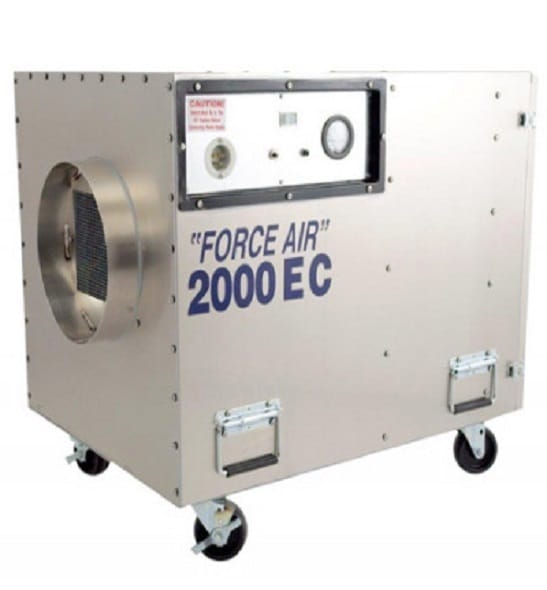
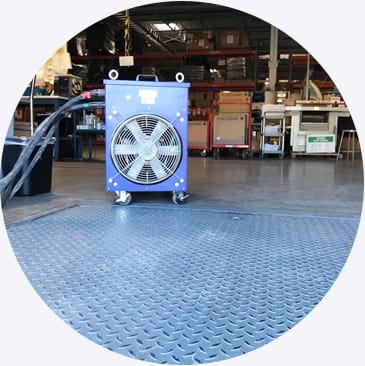
Some warehouses and automotive repair shops use portable commercial AC units in the summer when their existing systems aren’t keeping conditions cool enough for work. Whether you are renting or using a system you own, use the integrated power cord if at all possible. If that’s not practical,  check that your extension cords are correctly rated, free of insulation damage shape and properly secured. 

Using an extension cord that isn’t rated for the job can create dangerous electrical safety hazards that can cause injury or loss of life.  If a cord has frayed insulation or appears to be wearing thin, it needs to be replaced immediately.  Above all, find a way to secure extension cords so they don’t create a hazardous work environment for your team.

  • Keep the Area Around Your Commercial Air Conditioner Clear

This is important whether you are using a temporary commercial air conditioner or you have one already installed. Don’t allow anything to be stacked on or around your HVAC unit, and the area around portable commercial units should be clear on all four sides. Improper ventilation or debris falling into the mechanism can lead to expensive damage and equipment failure. Check it at least weekly, too. You don’t want to work all week in a hot building only to discover that someone leaned cardboard or trash up against the unit.

  • Verify Your Commercial Air Conditioner has Been Professionally Inspected

If you’re moving into a new location, one of the first things you need to do is verify when the AC was last inspected and serviced. Regular inspection not only helps you keep your building up to code, but it also has the potential to save you from expensive, unexpected repairs. The sooner a problem is discovered, the sooner it can be fixed. Letting it go and failing to follow up on potential problems is the best way to have a system breakdown at the worst possible time.

  • Check The Anchoring and Mounting of Your Air Conditioning Unit

No matter where your AC unit is located, check out the mounting and anchoring of your commercial AC. An air conditioner needs to be properly balanced at installation to prevent issues from arising with the motor and other moving components in the system. It is especially important to check the anchoring and mounting after an earthquake, heavy storms, hurricanes, or tornadoes as well. You never know how these natural disasters will affect your building, and sometimes the damage to your AC goes unnoticed until it stops working.

  • Verify Your Air Conditioning Unit and Circulator Fans Have a Laboratory Testing Sticker

It is highly unlikely you would have any professionally installed hardware on the premises which is not certified by an independent laboratory. However, not every small business owner works with the most scrupulous contractors, and if you are not the original tenant you need to find out all you can about what AC hardware they installed, upgraded, or replaced. 

If they don’t have the information you need, check individual components for their UWS, IL or similar seals. An unrated component can void your insurance and result in extremely costly damage should there be an electrical issue and you have any untested/unrated parts installed on your HVAC system.

  • Verify Surge Protection

The power supply of most commercial buildings is fully surge protected, but as with all things HVAC-related it is better to trust and verify. Proper surge protection is essential to getting the most out of your commercial air conditioner, especially where safety is concerned

  • Clean All Ducts and Vents

At least once per year, get all your ducts and vents vacuumed out. The dust build-up alone can cause air quality and health issues for your team members. It’s in everyone’s best interest to keep them clean, both for health and safety reasons.

All in all, your commercial HVAC system needs routine maintenance at least once per year. Why not have the best in the business inspect your system for you? Contact us today for more information about keeping your commercial AC system up and running for years to come. 

Negative Air Machines 2
Blog

Running an air purifier indoors and ensuring you replace all of your HVAC filters with high-efficiency filter pads definitely improves the air quality in your environment. Allergens, pollutants and cooking/cleaning fumes are all easily captured by the average HEPA filter, but how do they “stack up” against germs and viruses?

With COVID-19 prevention and social distancing heavy on everyone’s mind right now, many want factual answers to this question. Moreover, if an air filter or purifier doesn’t measure up, how well can masking up in public work? The answers to both questions have excellent responses from both virology experts and the US Centers for Disease Control (CDC). 

Examining the facts as presented by experts provide a significant amount of clarity for both questions. Let’s examine the effectiveness of traditional HEPA filtration, electrostatic/ozone-generating air purifiers and UV lighting systems. 

Air Filtration and COVID-19

I’ll get right to the point: The only one hundred percent effective air filtration system for COVID-19 is preventing exposure when outside your home. The CDC has studied novel coronaviruses for decades, and their research indicates that individuals can carry the virus on their clothes, skin and hair. How long it survives exposed to open, room-temperature air is still a matter for debate, but the effectiveness of commercial and home air filtration is not. 

Microorganisms like viruses are small enough to easily pass through even the finest air filtration systems. This is why social distancing, hand-washing/applying hand sanitizer, using disinfectant wipes on high traffic surfaces (door handles, gas pumps) and wearing gloves are such critical components of preventing the spread of COVID-19.  They offer a 99% effectiveness rate when used correctly. Air filters don’t easily trap viruses because the space between the fibers is too wide to properly trap and contain them. 

Some might argue HEPA filters can trap particles as small as two microns, and that is sufficient for pollen, most pollutants and allergens. Viruses like COVID-19 are more than a thousand times smaller than even a single micron, measuring in the 0.1-0.3 nanometer range. There is no physical way to make an air filter fine enough to trap viruses and still allow for sufficient flow of breathable air. The fibers may trap some viruses as they pass through, but it is not guaranteed to be effective. 

Preventing the spread of viruses via CDC outlined protocols is far more effective since they actively seek to kill the virus on surfaces before it can spread. To make a long story short if you are counting on a HEPA filter to prevent the spread of coronavirus alone, it can’t. There are a few more effective methods of active filtration and purification that may help, but even the best commercial-grade HEPA filter won’t eliminate the virus on its own.

Electronic Air Filters/Purifiers

These devices function by trapping larger particles with a prefilter. Most use some variant of a HEPA filter to eliminate particulates before passing them on into the purification system. This system consists of two electrically charged plates that can collect any material that passes between them at the atomic level (electrostatic air filters). Some electronic air filters also use an ozone generator to trap and kill biological organisms via electrical attachment.

The Journal of Natural Science, Biology and Medicine has confirmed ozone-generating products are effective at killing coronaviruses. Their studies focused specifically on the SARS virus (a corona virus-like COVID-19) and given sufficient exposure time these air purifiers can be as effective as disinfectant or hand sanitizer.

The effects of ozone-generating devices have yet to be tested with COVID-19, so there is no definitive proof they are as effective as they have proven to be when used to prevent the spread of SARS. Using an ozone generating air purifier is unlikely to eliminate the spread of COVID-19, but it certainly doesn’t hinder virus prevention either. 

UV Light Purification

UV light systems for air purification and disease prevention number in the thousands, but they all function on the same basic principle. UV Light Purification bathes surfaces in UV light at a specific distance to eradicate biological contaminants. Given a sufficient amount of time, UV light can even kill viruses and pathogens like SARS and MERS. 

In air conditioning systems, these UV light bars are placed farther up in the air stream where they won’t affect anyone in the building. Skin-damage is still a very real possibility with prolonged exposure to artificially generated UV light. The effects are similar to what happens to your skin when you are out in the sun for too long, so it’s best to minimize exposure time if at all possible.

UV light systems have proven to be extremely effective at preventing and killing mold, viruses and bacteria on stationary surfaces like damp evaporator coils. That being said, the possibility that they can kill airborne viruses flying past at speeds of 400-450 cubic feet per minute is fairly low. 

These UV light bars simply do not have enough time to expose biological contaminants at the correct distance inside an air conditioning system.  They are a smart addition to any commercial HVAC system for preventing mold and killing any contaminants that may have attached themselves to the water molecules in the system. Overall, their effectiveness ends there.

Final Thoughts

All in all, using various methods of air filtration can help slow or prevent the spread of COVID-19, but it’s never going to be as effective as social distancing and other proven methods of disease prevention. Keep washing your hands regularly, avoid touching your face and eyes and use appropriate PPE when out in public. The virus may be small enough to pass through the fibers of a mask, but saliva isn’t. 

Most viruses can be spread by coughing with an uncovered mouth up to six feet away. Masks help both asymptomatic and symptomatic carriers prevent the spread of COVID-19 by eliminating that problem. Additionally, if you are exchanging air filters for a home or commercial HVAC system, wear gloves and a mask to prevent accidental exposure to any viruses that may be trapped in the filter. 

Air filtration systems may have limited effectiveness against the spread of COVID-19, but the effectiveness of traditional virus prevention protocols is irrefutable. Until the next time, stay safe and keep following CDC guidelines in public, at work and at home.

portacool pacjs2601a1
Blog

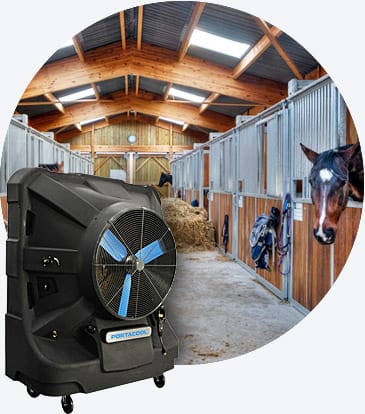
Evaporative air coolers are an excellent way to beat the heat without a central air conditioning system. Understanding how they work is an essential part of determining whether or not they are right for your home.

The following are 10 things you may not know about evaporative air coolers.

What They Are

Evaporative air coolers are air conditioners that use evaporation to cool the temperature of the air. Water turns from a liquid to a gas when it evaporates, and the particles with the highest energy will leave the water first. This leads to a significant drop in temperature. This process can help lower the temperature of the air in dry environments.

How They Work

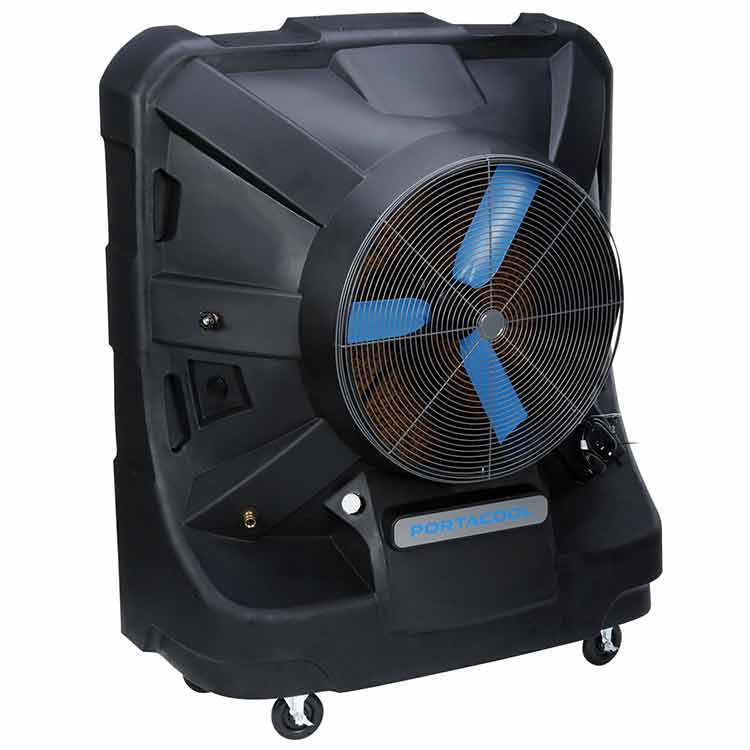
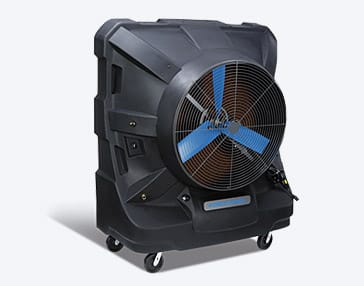
An evaporative air cooler works by lowering the temperature of the air in your home by automating the process of evaporation. The machine will consist of a fan, reservoir for water, padding and controls to regulate the results. Hot, dry air is drawn into the machine by the fans and goes across the padding. The pads have layers to absorb water from the reservoir. When the air goes across the padding, the molecules of water evaporate on the surface. This causes the temperature of the air within the cooler to drop significantly. This cold air is then blown into your room, providing a sufficient amount of cooling.

They are Energy Efficient

Evaporative air coolers require much less energy to operate in comparison to central air conditioning systems. The fan within an evaporative air cooler is the only part that requires power. A central air conditioning system must use a compressor to push down the liquid refrigerant into a smaller area. The refrigerant then needs to be moved to a heat exchanger to extract the heat from the air. This process requires more power output in order to operate properly.

They are Sustainable

Since evaporative air coolers require less energy to operate, they are more sustainable for the environment. This means that you will have a much smaller carbon footprint, and can save a considerable amount of money when paying for your electrical bills.

Opening Windows

The goal of a central air conditioning system is to trap the cold air within your home. This means that it is counterintuitive to leave any windows or doors open within your home. The cold air will escape, and defeat the purpose of the air conditioner. It is actually advantageous to leave your windows open when using an evaporative air cooler. They need a stream of fresh air to operate, and an open window can provide this air. The intake fan will draw dry air into the cooler to evaporate. Humidified air will build up from the use of an evaporative air cooler, and an open window can allow this undesirable air to escape. Try experimenting with the window to see how much of it you should leave open for optimal comfort.

Do Not Use Ice

The use of ice in addition to water can slow down the process of evaporation, and make it take much longer for cool air to come out. The water actually needs to be heated up in order for it to evaporate, and the use of ice will prevent this from happening quickly. However, there are water reservoirs that are equipped with an ice pack that can be used.

Replenish the Water Supply

If you stop using your evaporative air cooler for an extended period of time, the water within the reservoir can start to build up with mildew and mold. Regularly replace the water and clean the reservoir to help prevent this from happening. This will allow it to function properly, and provide you with clean, cool air.

Get the Correct Size

Different sizes of evaporative air coolers are designed to cover different sizes of area within your home. You may find that smaller coolers are not suitable for your living area, so you may need to purchase multiple or a larger one. If you purchase a cooler that is too large, it could cause your living area to become too cold for comfort. The manufacturers will provide you with a recommendation for how large the area should be for the cooler.

Can Be Used as a Fan

Evaporative air coolers can be used in the same way that you would use a commercial-grade fan. This can be achieved by simply not adding water to the reservoir. The heavy-duty fan may provide you with the comfort you desire in an indoor or outdoor setting.

Portable

Most evaporative air coolers are easy to transport, so they can fit a variety of needs. You can take them camping, use them for breaks when hiking, sporting events or just bringing them to a different area in your home. An added benefit to this is that they will naturally repel bugs when used outdoors.

Conclusion

Knowing the important information about evaporative air coolers can help you decide if they are the right choice for your home. Energy efficiency and sustainability are some of the greatest benefits of using them. This will greatly reduce your impact on the environment, and save you money on electrical bills. There are several ways that you can maximize your usage of them by keeping a nearby window open to bring in the fresh air, regularly replenish the water reservoir with clean water, getting the correct size and avoiding the use of ice. They are incredibly convenient, because of their small size and portability. This makes them an excellent choice for people that are always on the go and need an extra source of cooling. Even if you do not use them as designed, they can be used as a commercial-grade fan. While it can be a hassle to maintain in comparison to a central air conditioning system because of having to replenish the water, the money you save can be well worth it.

homepage bg outdoorac 1
Blog

When most people think of efficient cooling methods, they tend to picture a fan or an air conditioner. An evaporative air cooler is another option that provides you with the cooling that you desire with additional benefits.

The following is why evaporative air coolers are better than other cooling devices.

Energy Efficiency

Central air conditioning systems require a significant amount of energy to operate properly. There are multiple parts that need power, and all of these add up. This can drive up the price of your electrical bill in comparison to using an evaporative air cooler. The only part of an evaporative air cooler that requires power is the fan. This means that your home will be more energy-efficient, leading to a cheaper energy bill.

Easy to Maintain

When a central air conditioning system becomes damaged or stops functioning properly, it may require an expert to fix it. This means that you will have to spend a considerable amount of money in order to repair it. An evaporative air cooler is incredibly easy to maintain and install in your home. As long as the fan is working properly and the padding is intact, the only maintenance that is required is to replenish the water supply. The water reservoir in an evaporative air cooler can start to build up mold or mildew after extended periods of not using it.

Affordability

An evaporative air cooler will vary in price depending on the size and other features, but they are generally less expensive than a central air conditioning system. The initial investment is much more accessible, and you will also save money over time.

Sustainability

Since evaporative air coolers require less energy to operate, you will reduce your carbon footprint. Impact on the environment is a common concern due to the effects of climate change. Choosing to use an evaporative air cooler over an air conditioner can greatly lower your impact on the environment.

No Disruptions

Air conditioners tend to make loud noises when they are recirculating cool air. Evaporative air coolers operate quietly in the background, and will not disturb you. They are also fairly small in size, so they will not take up much space within your home.

Fresh and Clean Air

Air conditioners work through a process of recirculating the air within your home, which means that the same air will be used repeatedly. Evaporative air coolers require fresh and clean air to operate, and this is exactly what it will circulate throughout your home. This will ensure that the air within your home does not become stale.

Portability

Many people find that they need a source of cooling when they are on the go. This can not be accomplished with a central air conditioning system, but it can be done with an evaporative air cooler. They are great to use when you are camping because you can plug them in from inside the camper. They can also be used at any other location with an outlet such as a park or sporting event.

Can Be Used in Dry Areas

While evaporative air coolers cannot be used in humid environments, they can operate properly in dry environments. This means that an air conditioner is a more suitable choice in humid areas, and an evaporative air cooler is more suitable for dry areas. 

Industrial Usage

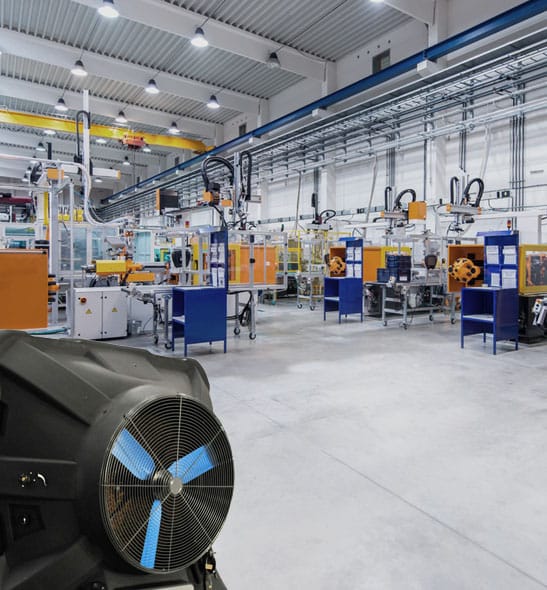
Industrial warehouses tend to leave the doors open throughout the day to allow workers to easily enter and exit the warehouse. This means that a central air conditioning system would not work optimally because the cool air will escape. Evaporative air coolers are designed to use fresh air, so they are the better option for industrial usage.

Features to Look For

There are several features that you should look for when purchasing an evaporative air cooler. The water tank capacity is an important aspect because it will determine how long the cooler can run before it needs to be refilled. The larger the tank, the more time you will have before needing to refill it. There are non-portable evaporative air coolers that you can install in your home. This means that you will be sacrificing portability for less maintenance. You can connect the installed air cooler to a water supply and let it run. The part of the cooler where you refill the water is also important. It should be located in a spot that makes it easy and convenient to refill.

Disadvantages

While evaporative air coolers have plenty of advantages over central air conditioning systems, there are still some disadvantages. Evaporative air coolers increase the levels of moisture in your home, which can cause a clammy feeling. This also means that they are not suitable for humid environments. They will also not lower the temperature as much as a central air conditioning system. The maintenance is simple to perform, but they do require a regular water source and may need to be maintained on a daily, weekly, monthly or yearly basis. Having to keep a window open also means that they are not suitable for extreme weather conditions.

Conclusion

Evaporative air coolers and central air conditioning systems are both viable options for cooling your home. Evaporative air coolers offer a variety of advantages that can save you money and lower your impact on the environment. They prevent the air within your home from becoming stale because they bring in fresh air from outside. They are portable and appropriate for outdoor usage in a variety of settings. There is no noise transmitted from them, and they do not take up too much space. Easy maintenance means that you will be spending less money on repairs. One of the greatest advantages is their suitability for industrial usage. Warehouses can become incredibly hot and dry during the summer months, and this can lower the productivity of workers. While there are a few disadvantages over a central air conditioning system, evaporative air coolers stand out as the better option.

Application Pic 1
Blog

With the spread of the coronavirus pandemic, it seems that we are getting in new information every day. Much of that consists of how the virus is spread and what behaviors and activities make you more or less susceptible to contracting COVID-19. We have some idea of how the virus can be transmitted through certain surfaces like

  •  Boxes and bags.
  •  Clothes.
  •  Countertops.
  •  Other surfaces in and out of your home.

But how much do we know about how the virus spreads through the air? CDC recommends social distancing, and that a safe distance to maintain from others is at least 6 feet. More is better if you can. 

One question that we have been getting recently is in regards to spreading COVID-19 through your home or office air conditioning system. 

Can COVID-19 Spread Through Air-Con Systems?

Thankfully, there is no current evidence that supports that COVID-19 can be spread through air conditioning systems. This was recently supported by Professor Leo Yee Sin, who is the executive director of the National Center for Infectious Disease (NCID). 

A recent study by NCID researchers did find that the virus that causes COVID-19 could be found in isolation facilities, which included air ducts that were connected to the rooms of infected patients. However, the research did not support that the disease is an airborne one. The preliminary research that we have on COVID-19 as of now shows that respiratory droplets are the main transmission mechanism through which the virus is spread. 

That NCID study, which was just published in JAMA in the last few weeks, did find that patients that had been infected with the virus could cause sizable contamination to their immediate surroundings. This was specifically in regards to their isolation room before it had been cleaned. 

This study examined samples from the toilet bowl and sink of a single patient that had tested positive for the virus. Pre-cleaning, those surfaces tested positive, but after cleaning, the test samples from these areas came back negative. This was not only a way of testing for the virus on surfaces but also a way to assess if the current means of decontamination were effective. 

Though this prompted headlines around the globe that the airflow of water droplets could be a means for transmission. Professor Leo has gone on to explain the purpose of the study was to examine environmental contamination. Not how the virus is spread. 

We have seen that the virus can be transmitted via surfaces in isolation facilities. To find out if the virus can be transmitted by air and not just through respiratory droplets, this requires a different set of experiments and testing. 

Professor Kenneth Mak (director of medical services at the Ministry of Health) said the discoveries that were made in this recent NCID study were indeed in line with what we currently know about the virus being transmitted primarily through respiratory droplets. He also noted that there are some significant differences in isolation facilities’ air conditioning and ventilation systems when compared to the ones that we have at home. 

In most homes, air vents are located higher in the room, whether on the walls or in the ceiling. In isolation rooms, vents are typically located around the floor or at the bottom of a room. This can lead to respiratory droplets collecting around them via sneezing, coughing, and gravity pulling those droplets down and around those vents. 

With vents and vent systems located higher in individual rooms and not necessarily open in a way that would expose it to contamination, it would be highly unlikely that COVID-19 could spread through your air conditioning system or your home’s ventilation. 

Say you are in a home with 3 other family members, and one of your family members tests positive for the virus. With the information and research, we have access to now, self-quarantining them to a room or closed off area of your home is effective for the spread of the virus. 

With what the most recent research shows, it seems highly unlikely that this infected individual could sneeze and spread the virus through the ventilation or air conditioning system in your home. It is far more likely that another individual in your family would contract the virus by being exposed to it through:

  •  Respiratory droplets.
  •  Surface contact.
  •  Contaminated clothing or fabric. 

As of now, we do not have supporting evidence that shows that COVID-19 can be spread through our home air conditioning and ventilation systems. With the proliferation of international news during this time, we can expect that the CDC, WHO, as well as other national, regional, and international health organizations, will be reporting any updates on the spread and transmission of the virus, if and when they discover new information.

swamp coolers stablel
Blog

There are many ways that you can effectively cool your home, office, or work area, no matter how great or small it is. Thankfully, air conditioning and climate control technology gives us a variety of effective options for keeping our immediate environment at a comfortable temperature. 

One question we get quite often in our field is “what is the difference between air conditioners and evaporative coolers?” Many people believe that cooling technology is cooling technology, and as long as the result is a cooler environment, it doesn’t really matter how you get there. The reality is that the most effective method for cooling your immediate environment is dependent on several key factors. That being said, there are some unique benefits of using evaporative coolers vs. air conditioners and vice versa, depending on your needs and circumstances. 

Key Takeaways on Evaporative Cooling

Evaporative coolers, also known as swamp coolers, are great for cooling large areas, especially in dry, hot climates and weather. Here are some of the key takeaways and top things you need to know about evaporative cooling, including some of the unique benefits and costs associated with it: 

  • They are economical to use and operate. 
  • Evaporative coolers are very energy efficient. 
  • They work really well in hot, dry climates. 
  • They produce fresh clean air to circulate around your home or surrounding environment. 
  • They are inexpensive to install. 
  • They require very little in terms of maintenance. 
  • They are environmentally friendly and have very low carbon monoxide emissions. 
  • Evaporative coolers add cool moisture to the air. 
  • They allow for open doors and windows. 
  • Evaporative cooling units don’t make a lot of noise while they are running. 

Overall, there are a lot of unique benefits that come with installing and using an evaporative cooler (or swamp cooler) in your immediate vicinity. 

Key Takeaways on Traditional Air Conditioners

Air conditioners and AC units are what we think of when we consider cooling in homes, offices, and other climate-controlled areas. Here are some of the key takeaways, unique benefits, and costs of using a traditional air conditioner vs. other methods of cooling. 

  • They have a higher operating cost than other cooling systems. 
  • Air conditioners also use more energy than evaporative coolers and other forms of cooling. 
  • Air conditioners are effective in any climate imaginable, both humid and dry weather. 
  • They use recirculated air to cool the air in the surrounding indoor environment.
  • They have much higher upfront installation costs than other forms of cooling. 
  • Air conditioners require regular cleaning and maintenance. 
  • AC units have much higher emissions in comparison to other cooling systems. 
  • They remove moisture from the air, to take advantage of dry cooling.
  • They are very effective in enclosed spaces like homes, rooms, and offices. 
  • They can make a lot of noise when they are running. 

Air Quality of Evaporative Coolers vs. Air Conditioners

Evaporative coolers work best for circulating outside air throughout your home, office, or the environment they are set up in. This keeps fresh air in the area and keeps it from becoming stale. Traditional air conditioning unit technology takes the air from within a home or area, processes it through the cooling system, and recirculates that cooler, interior air within the home. This process is efficient but can lead the inside air to feel staler. 

For air conditioning units to work at maximum efficiency, you need to make sure that your windows and doors are closed. Conversely, you can use evaporative coolers with windows and doors open. 

Operational Costs of Evaporative Coolers vs. Air Conditioners

Most evaporative cooling units or swamp coolers are incredibly energy efficient, which makes them a nice choice for people who want to pick a cooling solution that is a little more economically conscious. One of the reasons that many people really like using evaporative coolers for keeping an area cool is because they cause far less to install and they are very inexpensive to maintain and repair. 

With that, you can get evaporative coolers that are mobile, so you can roll or relocate them to different areas that you need them in. As long as you give your evaporative cooler some minimal seasonal maintenance, it should work in tip-top shape for years to come. Evaporative coolers work best and most efficiently in areas that are dry and hot. They don’t work as well or seem as effective in areas of high humidity. 

Operational costs of air conditioners are relatively low as well, but they do require more in ongoing maintenance. Since many AC units are housed outdoors, they need a little more maintenance than indoor evaporative coolers. The benefit of a central air conditioning unit is that it can efficiently cool a larger area than an evaporative cooler. 

Moisture levels of Evaporative Coolers vs. Air Conditioners

Evaporative coolers add moisture to the air in your surrounding environment. It works to cool your home, office, or immediate area through the process of evaporation. That makes them great for people with dry eyes and dry skin. Traditional air conditioners work to remove moisture from the air, to make the air less wet and humid. 

Environmental Concerns of Each

Traditional air conditioners take a lot of energy and power to run and typically have higher levels and rates of emission than evaporative coolers. The upside is the AC units are powerful enough to cool an entire house or a large indoor area. Evaporative coolers have much lower emissions than AC units. They also cause far less noise pollution than traditional air conditioning units, if that is a concern in your area. 

Other considerations

The type of cooling system that you choose is largely dependent on when, where, and how you intend to use it. Swamp coolers and evaporative coolers are great for hot, dry climates and cooling smaller areas, whereas ACs provide a dryer air and are able to larger areas much cooler.

Scroll to Top