Blog

dehumidifier
Blog

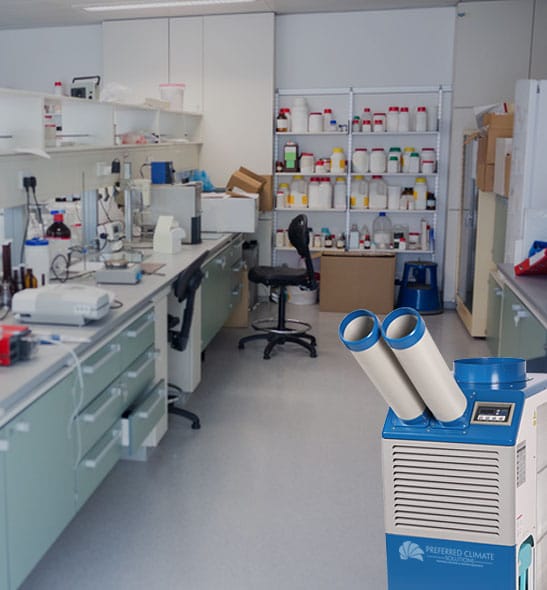
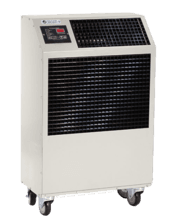
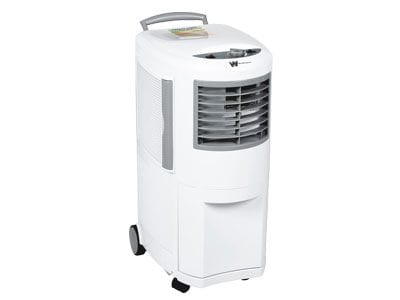
In case you didn’t know, a spot cooler is a small, portable air conditioner that you can use to cool a specific area in your home or office. They’re great for those hot summer days when you just can’t seem to get the temperature down.

But with so many different types and models on the market, it can be tough to know which one is right for you. Thankfully, we’ve compiled a list of questions you should ask yourself when choosing the type of spot cooler you need.

1. Are you using it indoors or outdoors?

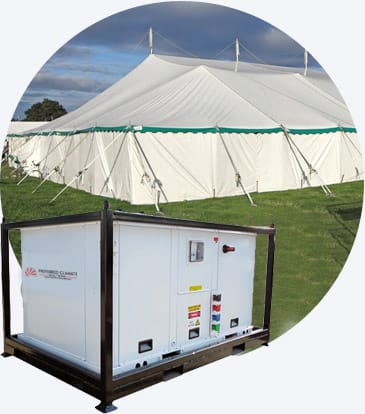
The first step is to think about how you’ll be using your spot cooler. Do you need it for indoor or outdoor use? If you’ll be using it outdoors, you’ll want to make sure it’s durable enough to withstand the elements.

An outdoor spot cooler comes equipped with features like UV protection and weather-resistant materials. That helps extend its lifespan and keep it working properly no matter the weather.

2. What is the size of the space you need to cool?

The next step is to figure out how big a space you need to cool. The size of the area you need to cool will dictate the size and capacity of the spot cooler you need.

That will help you determine the cooling capacity (measured in BTUs) you need. A small spot cooler can cool a space up to 250 square feet, while a larger one can cool up to 1,000 square feet.

If you only need to cool a small space, a personal spot cooler might be all you need. These are perfect for cooling down single rooms or small areas.

But if you’re looking to cool a larger space, like an entire room, you’ll want to opt for a larger model. If you have a large space, you’ll need a bigger unit with more power.

3. What type of climate do you live in?

The climate you live in will also play a role in choosing the right spot cooler for you. If you live in a hot and humid climate, you’ll want a spot cooler that can handle those conditions. Certain spot coolers come with built-in features like dehumidifiers and air filters which can help if you live in this kind of climate.

Conversely, if you live in a cooler climate, you’ll want a spot cooler that’s specifically designed for that climate. Spot coolers meant for cooler climates have features like built-in heaters, which can help keep you warm in those conditions.

4. How much money are you willing to spend?

Spot coolers come in a wide range of prices, so it’s crucial to know how much you’re willing to spend before purchasing. If you’re on a budget, plenty of affordable options are available.

However, if you’re looking for a top-of-the-line spot cooler with all the bells and whistles, then you’ll have to be prepared to spend a bit more money.

5. What are your power needs?

Spot coolers come in both 110v and 220v models. The voltage you need will depend on the power needs of the space you’re trying to cool.

Some spot coolers have more powerful fans than others, so if you’re looking to cool a large space, you’ll want to make sure you get one with a powerful fan. If you’re not sure which voltage you need, consult a professional before buying.

6. What features are you looking for?

Take some time to think about what features you’re looking for in a spot cooler. Do you need a unit with a built-in heater? Do you need one that’s specifically designed for outdoor use? Do you need a unit that’s quiet and won’t disturb your guests?

Once you know what features you’re looking for, it will be much easier to find the perfect spot cooler for your needs. When shopping for a spot cooler, there are several features you might want to consider. These include:

  • Portability: Some spot coolers are more portable than others. If you need a unit that you can move from one room to another, an important feature to look for is portability.
  • Cooling capacity: The cooling capacity is how much air the unit can circulate. The higher the cooling capacity, the better.
  • Noise level: Some units are louder than others. If you need a quiet unit that won’t disturb your guests, look for a noise level feature.

7. What size spot cooler do you need?

Spot coolers come in a variety of sizes. The size you need will depend on the square footage of the space you’re trying to cool. If you’re unsure which size you need, speak with a professional before purchasing.

8. What brand should you buy?

There are many different brands of spot coolers on the market. Some of the more popular brands include Frigidaire, Haier and NewAir. When choosing a brand, consider factors like price, quality and customer service.

9. Where can you buy a spot cooler?

Spot coolers are available at most major retailers, including Walmart, Target and Home Depot. You can also purchase them online from websites like Amazon.

10. How much does a spot cooler cost?

Spot coolers range in price from $100 to over $1,000. The exact cost will depend on the size and features you need.

So, which type of spot cooler is best for you?

The type of spot cooler best for you will depend on your needs and budget. If you’re planning a wedding or large event, you’ll need a powerful spot cooler that can cool a big space. If you’re just looking to keep your home cool during the summer, a smaller, less expensive spot cooler will suffice.

With so many factors to consider, it can be tough to decide which spot cooler is right for you. But if you take the time to think about how you’ll be using it and what features you need, you should be able to find the perfect cooler for your needs.
JS230 rface web1
Blog

Ah, that summer heat. It’s the time when you want to roll the windows down and enjoy the fresh breeze– until you realize that breeze is like a sauna. The next best thing is to blast the air conditioner, but sometimes it’s not enough.

If you’re looking for a supplemental cooling solution that won’t break the bank, consider renting a spot cooler.

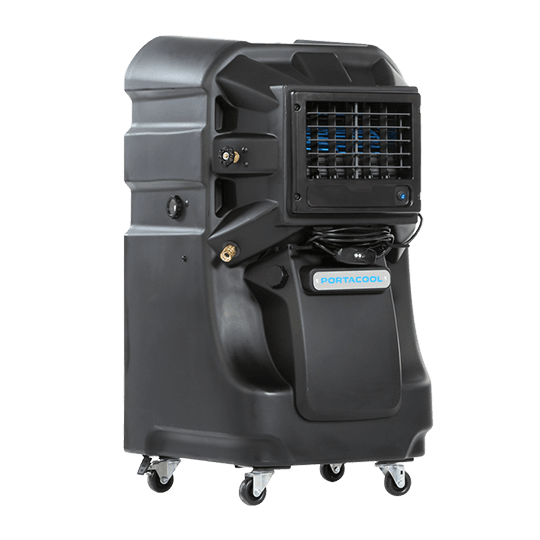
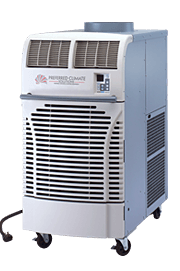
Spot coolers are exactly what they sound like– portable air conditioners that can be placed in specific areas to provide targeted cooling relief. And since they’re not permanently installed, they can be moved around as needed, making them ideal for large events or businesses with hot spots throughout their space.

Not convinced yet? Here are the benefits of renting a spot cooler to help you beat the heat this summer.

1. They’re affordable.

Spot coolers are a fraction of the cost of traditional air conditioners, making them a more budget-friendly option for businesses and event planners. They’re also more energy-efficient, so you’ll save money on your electricity bill, too.

2. They’re easy to install.

Spot coolers don’t require any special installation. All you have to do is just plug them in and turn them on. They’re easy to set up and use. Most models have everything you need to start it, including a window kit and remote control.

Some models even have an automatic shut-off feature that turns the unit off when it’s reached the desired temperature, so you don’t have to worry about running it all day long.

3. They’re ideal for targeted cooling.

Spot coolers are perfect for cooling specific areas, like a hot office or a crowded event space. Since they direct the airflow to a particular space, they’re more efficient than traditional air conditioners, which often cool the entire place regardless of whether it’s needed.

With spot coolers, you’ll stay cool and comfortable without wasting extra energy.

4. They’re perfect for emergencies.

Spot coolers can be a lifesaver in case of a power outage or other emergency. If your air conditioner goes out, a spot cooler can keep you cool until it’s repaired.

5. They’re environmentally friendly.

Spot coolers use R-134a refrigerant, which is safe for the environment. Unlike older air conditioners that use chemicals that can be harmful to the ozone layer, spot coolers don’t negatively impact the environment.

They’re also more efficient than other kinds of air conditioners, so they use less energy and save you money on your utility bills.

6. They’re portable.

Spot coolers are small and portable, so you can move them from room to room as needed. Some models even come with wheels, so you can easily move them from one area to another. They’re also light enough to take with you on the go. So you can enjoy cool, comfortable air wherever you go (with electricity, of course).

7. They’re versatile.

You can use spot coolers for a few purposes, including cooling down a specific area in your home or office, providing relief from the heat while outside or keeping your food and drinks cool while you’re on the go.

8. They’re safe.

Spot coolers are safe to use with proper ventilation. Most models contain a built-in safety feature that prevents them from overloading or overheating, so you can use them worry-free.

9. They’re quiet.

Spot coolers are generally very quiet, so you can use them without disturbing others. That’s perfect for people who live with babies, young children, the elderly or pets who need to be kept cool without making too much noise.

10. You can use them in multiple settings.

You can use your spot cooler in indoor and outdoor settings, so you’re not limited to using them in one area. That makes them perfect for use at home, the office or even at outdoor events, like birthday parties or weddings.

11. They’re easy to store.

Spot coolers are small and compact, so they’re easy to store away when you’re not using them. That means you won’t have to worry about taking up too much space when you’re not using them.

12. You don’t have to keep an eye on them.

Spot coolers are self-contained and don’t require any maintenance, so you can set them up and then forget about them. That means you can focus on enjoying your event or getting work done without worrying about the spot cooler.

13. They have a programmable thermostat.

Spot coolers come with a programmable thermostat, allowing you to set it to the temperature you want and then forget about it. That also means you won’t have to worry about the spot cooler overheating or cooling down too much.

14. You can find them in a variety of sizes.

Spot coolers come in a range of sizes, so you can find one that’s perfect for your needs. Whether you need a small spot cooler for a single room or a large one for an entire office, you’ll be able to find what you’re looking for.

Conclusion

Whether you’re looking for a way to beat the heat or just want a portable cooling solution, spot coolers are a great option. They’re versatile, safe, easy to use and most importantly, they work well. So if you’re in the market for a spot cooler, be sure to keep these benefits in mind. If you’re looking for a cost-effective and efficient way to keep your business or event cool this summer, then renting a spot cooler is the way to go. With a spot cooler, you can enjoy all the benefits of cool, comfortable air without breaking the bank. Contact a local spot cooler rental company today to learn more about your options.

op 60
Blog

As a business or even the average joe needing a spot cooler, you want to be cool, of course, but nobody wants to stay cool at the price of everything in their wallet. Subsequently, you should always aim to keep your spot cooler running at peak efficiency. Unfortunately, that isn’t always a piece of cake.

That’s especially true if you’ve only recently become accustomed to using a spot cooler. Don’t worry, though. Whether you’re an experienced owner or a new renter, we have some tips to keep your spot cooler running at peak efficiency– all the time. That way, you can stay cool during the hot summers in Texas or anywhere else.

And with over 17 years of experience, Preferred Climate Solutions has the expertise that you can solidly rely on.

First, make sure that you’re using the right size.

Despite what you may have heard, size is important. We’ve spoken about choosing the right size unit for your space before, but I’m bringing it here for a reason. That is, in order for you to reach that peak efficiency that we’re after, your unit needs to be the right fit for your needs and your space.

So, if you’re looking for a spot cooler, take the size into account to save yourself some difficulty down the line. Otherwise, if you already have your spot cooler, check that it covers the volume of air in your space to make sure you’re not wasting effort.

There are usually five different sizes of spot coolers, with the first size being able to cool around one ton of air every hour. The rest of the sizes go as follows:

  • One ton units = 400 square feet of cooled space.
  • Two-ton units = 800 square feet of cooled space.
  • Three-ton units = 1,200 square feet of cooled space.
  • Four-ton units = 1,600 square feet of cooled space.
  • Five-ton units = 2,000 square feet of cooled space.

You may want to knock around the idea of getting a spot cooler that is slightly bigger than your space needs. Doing so can prevent the unit from working at full capacity all the time– a condition that is not productive to high efficiency.

Take the other factors into consideration…

The size of your space is likely the most important. However, the other aspects of your space matter too. For instance, look at the height of your ceiling, the weather outside, the humidity, etc. All of that will help you pick the best spot cooler for your space. And the best spot cooler means the maximum amount of efficiency.

After you have the right spot cooler in mind, your focus should be on maintaining the unit itself. When maintaining the unit, it’s best to consult with the technician or at least the user manual. If, for some reason, you don’t have access to either of those, here are some quick tips that should guide you in the right direction.

1.    Keep the space around your spot cooler clean!

By that, I mean two things. One, don’t crowd the space around the cooler with unnecessary things– give it room to breathe and intake air as needed. Two, dust and clean normally. These units often have filters that can become easily clogged if you let the space around them get dirty– so word of advice, avoid that.

2.    Change the filters as needed. 

It’s unfortunate, but even with the step mentioned above, your filters will eventually need to be changed. So, keep tabs on the status of your filters and change them as soon as needed.

3.    Clean the unit itself.

As you’re cleaning around the spot cooler, you should set aside some time to clean the unit itself. I wouldn’t recommend getting too far into the unit. Yet cleaning the console or surface of the cooler will not only keep it looking its best, but it will also prevent the unit from tracking in dust and debris from itself.

With those three tips, you should be good to go. And your unit will last longer than normal and maintain high levels of efficiency. If you’re looking for some more advice, check out this resource for more information! But remember, there are likely remarkably few people or resources that know more about the spot cooler than the one selling it, so again, if possible, ask the technician!

Then use their tips in tandem with the ones mentioned here.

Congratulations. You’re running at peak efficiency.

That’s all there is to it! To restate a few of the points that we’ve gone over here, clean the unit, clean the filters and ensure that your unit is right for your space! If you can do all that, you have nothing to worry about, and I’m sure that your wallet will be left perfectly intact.

And finally, if you’re in the market for a spot cooler, get it from the best in the business. At Preferred Climate Solutions, we have the knowledge and equipment to set up your spot cooler for success and that maximum efficiency ideal. If you’re ready to learn more about how our experience fighting the tough Texas weather can be applied for your benefit, contact us today or visit the other pages on our website here! 

You can find all of our spot coolers available for rent on that page! But beyond that, we provide the information you need to accurately assess whether or not one of our spot coolers is right for your needs! Don’t miss out on the resource.

dehumidifier
Blog

If you’re looking into renting your own spot cooler, you undoubtedly already understand what you can gain from it– a more comfortable atmosphere– even with no built-in AC unit or HVAC system.

And I’m willing to bet that you’ve already done the research and deduced why renting is your best option at the moment. Meaning that you’ve asked yourself the two vital questions, how long do you need to use the spot cooler, and will your cooling needs change? Okay, great. But that leaves you with just one unanswered question– the title of this post, what kind of spot cooler is best for renting? Which is a good question. After all, you want to ensure maximum efficiency, right?

To help you do that, we’ll give you the essential information you need in this post. So, don’t worry, you’re in good hands.

First, things first.

Match your space with your spot cooler.

I can’t stress how important this step is. In order for your spot cooler to run smoothly and perform optimally, it needs to have a good pairing with the environment it’s being placed in. In other words, you don’t want a small spot cooler for a large space or, the opposite, a large spot cooler for a small space.

If your chosen spot cooler is too small for the space, it may never shut off, which could cause the evaporator coil to freeze up– a frustrating scenario.

Find your fit…

It may seem overwhelming, but trust me. It’s all simple enough.

Now, you need to know that spot coolers are sized by tonnage or British thermal units (Btu)– with a ton describing how much heat a unit can remove in one hour. And the heat is measured in British thermal units with around one ton as the equivalent of 12 thousand Btu.

And the average spot cooler will remove around one to five tons of heat per hour, mainly depending on the size of the unit. As a simple rule of thumb, you can expect the largest, five-ton spot cooler to have around five times the range of impact on your environment as the smallest, one-ton spot cooler.

  • One ton units can cool around 400 square feet of space.
  • Two-ton units will be able to cool twice that, which is around 800 square feet of space.
  • Three-ton units cool an impressive amount of space, around 1,200 square feet.
  • Four-ton units will cool 1,600 square feet.
  • And lastly, five-ton units will effectively cool 2,000 square feet.

As you can see there, the five-ton unit simply provides five times the impact of the one-ton. So, there really aren’t any confusing measurements here.

Moving forward, you should keep in mind that while the tonnage is an important factor, many other variables come into play. For example, you need to consider the ceiling height of your space, the number of windows, insulation, the outside temperature, humidity– even the number of people and computer systems. All of those factors can greatly impact how truly effective your spot cooler is.

Note: You may want to consider going by cubic feet instead of the typical square footage to ensure the best results, especially in a warehouse with several temperature-sensitive things stored at different heights.

But size isn’t everything. You need to consider the type of spot cooler in addition to how big or small it may be.

What’s your type?

There are several types of spot coolers that all have their uses. I’ll give you a quick overview of most of them here, but keep in mind that your needs may need the expertise of someone who understands your needs and can make a tailored recommendation.

Air-cooled spot coolers

This is undoubtedly the most common type of spot cooler. The unit’s internal components cycle a refrigerant using electricity as its power source. Then the warm air is pulled in by a fan and passed over the cold evaporator coil, cooling it. Finally, the now cooled, dehumidified air is pushed through the ducts to the various spaces.

Heat pump spot coolers

Now, heat pump spot coolers are fairly similar to air-cooled spot coolers. However, they possess one key difference. In addition to providing cool air, they can also work as a heater. But it’s worth noting that you need to have these hardwired by an experienced technician.

Water-cooled spot coolers

As you can see above, the air-cooled units use a condenser to remove hot air. But a water-cooled spot cooler replaces that condenser with a water source, meaning no condenser air discharge. These water-cooled spot coolers do their best work when there isn’t a good way to remove waste heat.

Also, keep in mind that some locations may only carry one or two types of types. That may or may not impact your pick, but be sure to note it.

A final word of advice

No matter where you decide to rent your spot cooler from or what size and type of cooler you have in mind at the moment, I’d strongly recommend speaking with the technician about your needs. Doing so, you can use their expertise and ideally leave having rented the perfect spot cooler for your space– ensuring that your needs are met and that your guests or systems are kept cool.

For example, the technician may suggest using a water-cooled system over the commonly used air-cooled system.

And if you’re not sure where to go for your ideal spot cooler or you want more advice and informed knowledge, come see us at Preferred Climate Solutions. We have over 17 years of experience dealing with the often brutal climate of Texas. And when it counts, no one has a faster response than us.

event ac
Blog

Think of your heat pump as your air stabilizer. When it’s cold outside and you need a way to bring in the heat, a heat pump will do that for you. Or, if it’s hot outside and you want to keep the hot air out of your home, a heat pump can help. Either way, you need a heat pump to keep the air comfortable in your home, so deciding whether or not you need a heat pump isn’t the problem.

Deciding which heat pump you should use can be the challenging part. You have to think about the kind of heat pump you need, including the price, size, energy efficiency and how often you plan on using it. So, which rental heat pump should you use?

Determine the kind of heat pump you need.

There are a few different types of rental heat pumps to choose from when deciding which rental heat pump you should use. The most common type is the air-source heat pump. This type uses outside air to heat your home. It’s a good option if you live in a mild climate because it can’t handle cold weather.

If you have an electric furnace, you need an air-source heat pump. An air-source heat pump works by extracting heat from the air outside and pumping it inside your home. This kind of pump is also a good choice if you don’t have a furnace at all and you’re starting from scratch.

If you live in a cold climate, you might want to consider a ground-source heat pump. This type uses the ground to heat your home. While it’s more expensive to install than an air-source heat pump, a ground-source heat pump is also more efficient and can handle cold weather better.

Another option is a water-source heat pump. This type uses water to heat your home. It’s the most expensive option, but it’s also the most efficient.

You need a gas-fired heat pump if you have a natural gas furnace. Gas-fired heat pumps use either propane or natural gas as their fuel source to heat or cool your home.

If you’re starting from scratch, an air-source heat pump is less expensive to install, but a ground-source heat pump is more energy efficient. If you live in a warm climate and you plan on using your heat pump year-round, the extra cost of a ground-source heat pump may be worth it in the long run.

Once you’ve determined the type of heat pump you need, you can start shopping around for a rental unit. Be sure to compare prices before making your final decision.

Pinpoint the price of the heat pump.

In determining the kind of heat pump your home needs, you need to decide the price you can afford. You don’t want to overspend on a heat pump only to find out that it doesn’t meet your needs. If you have a limited budget, you’ll want to find a heat pump that’s both affordable and energy-efficient.

Just like anything else, there’s a range of prices for rental heat pumps. Air-source heat pumps are generally less expensive than gas-fired heat pumps, but they also have lower efficiency ratings. So, you need to consider how much you’re willing to pay for the increased comfort and efficiency of a gas-fired heat pump over an air-source heat pump.

Consider the size of the heat pump.

The next thing you need to think about is the size of the heat pump. You don’t want to rent a heat pump that’s too small for your home. A heat pump that is too small for your home will have to work harder, which will decrease its efficiency and increase your energy costs.

On the other hand, you don’t want to rent a heat pump that’s too large for your home, either. A heat pump that is too large for your home will cycle on and off more frequently than a heat pump that is the right size for your home. It will also decrease the efficiency of your heat pump and increase your energy costs.

So, how do you know what size of heat pump to rent? You can use the BTU rating of the heat pump to help you determine the right size for your home. The higher the BTU rating of the heat pump, the larger the area it can heat.

Think about where you live. If you live in a colder climate, you’ll need a heat pump with a higher BTU rating than if you live in a warmer climate. You can also consider the size of your home. If your home is larger, you’ll need a heat pump with a higher BTU rating than if your home is smaller.

When you’re ready to rent a heat pump, be sure to ask the rental company what size of heat pump they have available. They should be able to help you choose the right size for your needs.

Be sure to also ask about the heat pump’s energy efficiency. A high-efficiency heat pump will use less energy to heat your home, which will save you money on your energy bills.

Estimate how often you plan on using it.

If you only need a heat pump for occasional use, you may not need to rent the most powerful model. However, if you plan on using your heat pump frequently, then you’ll want to make sure you get a model that can handle your needs.

Finally, be sure to ask about the rental company’s policies. Some companies may require you to return the heat pump after a certain amount of time. Others may allow you to keep the heat pump as long as you need it.

When you’re ready to rent a heat pump, be sure to compare different models and rental companies to find the best deal. With a little research, you can find the perfect heat pump for your needs.

Or, you can trust us. We already know we are that company for you. For all of your heat pump rental needs, contact Preferred Climate Solutions.

homepage bg spotcoolers
Blog

When it’s time to keep yourself or your workstation warm, it’s crucial to consider the type of salamander heater you will need. You’ll want a salamander heater because it will heat up quickly and reach the temperature you need faster versus other types of heaters.

There are many different types of salamander heaters on the market, and each has its advantages and disadvantages. In this article, we’ll look at some of the most popular types of salamander heaters and see which one is best for you.

1. Figure out the type of fuel.

One important factor to consider when choosing a salamander heater is the type of fuel it uses. There are three types: electric, forced air propane and forced air kerosene. Each type of fuel has its benefits and drawbacks. So, how do you decide which type is best for you?

Electric.

One of the most popular types of salamanders is the electric heater. These heaters are easy to use and maintain, and they’re available in several sizes. However, they can be a bit noisy, and they’re not always as effective as other types of heaters.

Electric salamander heaters also have a low environmental impact. Although, they can be more expensive to operate than other types of salamander heaters.

Forced air propane.

Propane-powered salamander heaters are relatively common. They’re easy to use and provide plenty of heat. However, they can be dangerous if not used properly, and they can also be quite loud.

Make sure when you use them, they are exposed to the outdoor air, as they can cause carbon monoxide poisoning.

Forced air kerosene.

Kerosene-powered salamanders are a good choice for people who want a heater, like the forced air propane, that produces heat using an open flame. They are a popular type of salamander heater because they cover a wider area than other fuel types with outdoor heating. However, also like the forced air propane, this salamander heater can produce toxic fumes, so it’s best to use it in outdoor spaces.

2. Review the size of the room you’re heating.

When you’re choosing a salamander heater, it’s important to consider the size of the room you’re heating. You want to make sure that the heater is powerful enough to heat your entire house, workstation or whatever room or area it is that you would like to heat. If you’re only heating a small space, then you won’t need as powerful of a heater.

In general, salamander heaters heat from 500 to 3,000 square feet of space. When you’re deciding how powerful you want your salamander heater to be, pay attention to its BTUs. The higher the BTUs the salamander heater has, the wider the heating area is.

Salamander heaters range in power from 30,000 to over 100,000 BTUs. This is sufficient for a large workshop because they all consume at least 30,000 BTUs. A salamander heater with more than 100,000 BTUs is sufficient for construction sites or other broad outdoor areas.

3. Ponder the price.

When choosing a salamander heater, it’s crucial to consider your budget. Some heaters are more expensive than others. You want to find an affordable heater that will meet your needs.

Salamander heaters can vary in price, depending on their size and type. You must choose a heater that fits your budget, but don’t skimp on quality. You want a heater that will last for years and provide reliable heat throughout the winter.

4. Believe in the heater’s brand.

Believe in the brand of the salamander heater you choose. Not all brands are created equal, and some heaters are better than others. You want to find a heater made by a reputable company that will last for years to come.

5. Pay attention to portability.

While some salamander heaters are ceiling or wall-mounted, most come with wheels. Wheels make salamander heaters portable, so you can move them from room to room as needed. It’s efficient for workspaces that move around a lot because you or your team don’t have to worry about carrying heavy equipment. They also tend to come with handles, making it extra easy to roll your salamander heater into place.

Make sure you pay attention to the size and weight of the heater before purchasing it, as some heaters are heavier than others.

6. Consider the safety precautions.

Before purchasing a salamander heater, consider the safety precautions of the device. Some heaters have special features that keep you and your family safe, such as automatic shut-off features. Automatic shut-off features are important safety mechanisms because they prevent fires from starting if the heater is on for too long.

Other safety features you may want to make sure your salamander heater comes with include an overheat protection feature, a thermostat, a tip-over switch and safety screens.

An overheat protection feature will protect the device (and you) from getting too hot, preventing a fire from starting or other damage. A thermostat will help you and the heater keep track of the temperature in the room, so you can adjust it as needed. The tip-over switch is an important safety feature that will automatically turn the heater off if it’s knocked over. It can also prevent fires from starting. Safety screens keep users, children and pets away from the heater’s heating element, so they don’t get burned.

Choose a salamander heater that has all the safety features you need to stay safe while using it.

Salamander heaters are a great way to keep your home warm and toasty, but you must choose the right type of heater for your needs. Figure out the fuel type you want to use and consider the size of the room you need to heat. Be picky about the price and brand. Know the features you want, such as portability, and the safety precautions you need, before making your purchase. With a little bit of research, you can find the perfect salamander heater for your home, workstation or business.

Or, stick around on our website. Preferred Climate Solutions has the perfect salamander heater for your needs. Contact us today.

heater rental service
Blog

Determining the size of the salamander heater you need depends on its use. For example, salamander heaters are often used in the wintertime to keep a small greenhouse warm to protect plants from freezing.

In this case, typically, much smaller salamander heaters are used so as not to completely heat the greenhouse and lose much of the temperature overnight.

If you do not need a heater large enough for a greenhouse but want one for your home or small building, you will need a larger unit.

Here, we answer your questions related to what size salamander heater you need.

What is a salamander heater?

A salamander is a small, portable heater used for various purposes, including supplemental heating in greenhouses, garages and other spaces where a larger heater might not fit. They are also typically used in workshops and building sites for temporary warmth.

It provides localized heat by burning propane or natural gas.

Salamander heaters are different than baseboard or other types of space heaters because they are designed to provide targeted warmth. Not widespread, general heating. Often, they are considered the best option for greenhouses because they will warm only one space, providing a more controlled temperature.

Salamander heaters can also be placed outside to provide supplemental heat for a building. In this situation, they can use natural gas or propane as a fuel source instead of requiring electricity like a portable heater.

What are the types of salamander heaters?

There are several different types of salamander heaters available, and they range in model sizes. Different models include:

Floor-mounted model

These heaters are typically the largest type. They attach directly to the floor and may be wall-mounted, as well, for ease of installation.

Under-bench heater model

This type of salamander heater mounts under a bench or workstation. It can be used in commercial settings like garages, cafes, food trucks and warehouses, but it is also suitable for use at home for supplemental heating during cold weather. Some under-bench models also include rubber feet to ensure safety if used on other surfaces like wood or tile.

Wall-mounted model

Salamander heaters designed for wall mounting will include leg stands so they can stand freely without requiring wall studs for support. This type tends to provide more focus than other options because it is designed to heat a specific area.

Baseboard heater model

Baseboard heaters combine the flexibility of both under-bench and sidewall-mounted units as they can be mounted either beneath a bench or inside a cabinet/workbench. Baseboard models remain in one place, heating panels along the walls. Because they are often smaller than other types, they are also more energy-efficient.

U-shaped or U-line heater model

This type of salamander heater mounts on the wall like other wall-mounted models, but it is generally U-shaped so that it can provide heating for multiple workstations at once. Often, this option is used in commercial settings where several people are working nearby.

Salamander heaters are available in different output ranges depending on your needs, and they should come with an adequate cord length for reaching outlets safely. Depending on the model you choose, you may have options for hanging pendant cords or placing caps over unused outlets–so they don’t expose live wiring during installation.

There’s also a difference in the type of energy they use, including electric and gas heaters.

Electric salamander heaters

These come with electric fans to distribute the air around them heated by electricity. Electric units can be plugged into any standard outlet but tend to lose some efficiency as they get hotter due to the higher resistance of heating elements over an open flame. These require regular maintenance, such as changing wicks or replacing elements.

Gas salamander heaters

Gas units rely on propane or natural gas that burns at high temperatures and heats a metal element within the device. These burn fuel more efficiently than electric models and do.

How do salamander heaters work?

A salamander heater has a metal cage containing an open flame. The airflow inside the cage helps distribute heated air to the environment while also heating interior surfaces like walls and floors. A fan draws in outside air for combustion purposes before distributing it throughout the room or building.

Salamander heaters are typically not used as your main source of space heating. They’re more suited to supplement existing heating systems during colder months. Since they only cover small areas at a time, you may need several units to warm the space enough.

Where can I use one?

Salamander heaters are used for warming greenhouses and on construction sites, garages and workshops. Basically, any small space that needs high levels of heat.

The great thing about them is that they can be used in any application you need temporary heating. Meaning, they are an ideal way to warm up your winter growing area until your main system kicks in.

What size do I need?

Three main factors to consider when choosing a salamander heater for your needs include wattage, size and insulation.

Wattage is the measurement of power consumption in an appliance, so the higher the wattage on your salamander heater means that it has more power and can heat larger areas slightly faster than lower wattage ones.

The recommended wattage for medium-size greenhouses is 500 watts per 100 square feet or five watts per square foot. So, for example, if you have a 1,000 square foot greenhouse, you should use a minimum of a 1,000-watt salamander heater when temperatures drop below freezing.

Size refers to the diameter or length of the heating element being used. It is the most important factor in determining how fast an area will be warmed up.

Insulation is the amount of protection your greenhouse has from outside temperatures. So, if you have more insulation, it will take longer for the salamander heater to warm up the space.

If you’ve decided you’re ready to rent or buy a salamander heater, contact Preferred Climate Solutions today.

Application Pic 1
Blog

At the beginning of autumn, when weather conditions start to be cold and chilly, many people look for a temporary heater to make their homes a bit warmer. Or maybe, you’re running a business, your heat recently went out and you know you need to keep your employees or customers warm.

Many people at some point need to look for temporary heaters, whatever the reason may be. When you need to rent one, make sure to ask yourself the appropriate questions about the kind of heater you need. Here’s what to look for when renting a temporary heater.

1. What kind of heater is it?

There are several different types of temporary heating equipment that people use in their homes today. The main ones are electric baseboard heaters, radiant heat panels, ceramic heat emitters and forced air heaters.

Electric baseboard heaters are the most common and the cheapest to buy and run but may not give you the heating you require as they can be affected by cold drafts.

Another option is electric resistance heating which works by running an electrical current through metal, creating heat. An example of this type of heater is the radiant space heater, also known as the radiant torch.

The device has an infrared heating element and fans that circulate heated air like other forced-air models. Those who suffer from respiratory problems should avoid this unit because it doesn’t filter out toxins and allergens in the nose and throat regions. It’s also important not to use these heaters every day because they dry out the air over time. They don’t make any noise when turned on, but they can produce a mild buzzing noise when turned off.

Radiant heat panels are fairly new to the market. They are slightly more expensive to buy and run than electric baseboard heaters but may give you a warmer feeling in the room. They are an excellent form of supplemental heating that warms objects rather than just the air around them. However, they can be very costly, as you need electrical wiring at every outlet.

Ceramic heat emitters give out the warmth as an open fire would. They can be used even in humid weather conditions because they don’t dry the air as forced air heating does. Ceramic heat emitters are another option for those who want a low-cost, easy-to-use heater that doesn’t need electricity or gas. They also don’t produce any noise when running.

Forced-air heaters are generally flexible, with different power options available, meaning that everyone should find one that suits their needs without breaking the bank. Forced air heating is the most common temporary heater for home use. It has large fans which circulate heated air around the room. The cost of these units varies depending on their output capacity.

2. What size of space do you need to heat?

Once you know the basic types of heaters, it’s time to figure out what heater would work best in your space. Different rooms require different amounts of heat, so this is where you need to be picky. If you have a large space that needs heat, then forced-air heaters are recommended over other models because they are energy efficient and easy to install. If your room is small or you don’t want the furniture disturbed by machines, radiant torch or infrared style units will work best for small spaces or rooms with sensitive contents.

One way to compare the output of various units is to look at how big they are in terms of BTUs per hour. The higher this number is, the more powerful the heater is likely to be. Higher BTUs also allow the unit to raise room temperature faster when temperatures dip into frigid winter weather. Room size should be taken into account when considering BTU output as well — a heater with high numbers may not produce warmth for a large room but may be enough for a smallish room.

If you decide that your heater has an output of 12,000 BTUs and you want to heat a 350 square foot room, it will take the unit at least seven hours to warm up the space. Knowing how much space needs heating before purchasing or renting your temporary heater will help ensure that you get the most efficient use from your unit and avoid returning it due to lack of performance.

Choosing between a radiant and fan-forced heater comes down to personal preference.

A radiant heater will produce very few hot spots in the room, making it ideal for small areas or people who move around a lot (like children). They are available with adjustable height options and can be moved from room to room fairly easily. The downside of these units is that they don’t provide complete coverage. So, there may still be cold pockets or draft currents in the room when using this appliance.

Fan-forced heaters distribute warmed air through a moving fan and typically come with multiple heating options like high and low levels and adjustable settings. These heaters work well for larger rooms because they cover more ground without having to move them once activated.

3. Does the heater follow city or county regulations?

Before renting or buying a portable heater, you need to know if the unit is legal in your area. Some units, such as propane and kerosene heaters, come with safety precautions that should be followed to reduce the risk of carbon monoxide poisoning or fires.

Some units may also use up too much electricity, which could cause a bad power surge and lead to fires.

Another example of a city or county regulation includes using space heaters in public facilities. Some units may not be allowed to be used at all or must be turned off after a certain hour, depending on the facility’s use.

4. Does the heater require a ventilation system?

Portable heaters that burn fuel like gas, kerosene or propane give off carbon monoxide. If not properly ventilated, it can lead to suffocation. These heaters need to be 20 feet away from any bedroom windows, doors and walls. Portable heaters that do not use combustible fuel like electricity or natural gas don’t require a ventilation system.

5. Is the heater safe?

Check the safety precautions on the heater before you decide to rent it. Portable heaters built after the 1970s are required to have a tip-over switch. The unit will automatically shut down if it is accidentally tipped over. Also, be sure that the heater has an automatic shut-off in case of overheating.

If you are using any personal space heater, take precautions to avoid burns and fires. Avoid wearing loose clothing near the unit and keep all combustible materials away from it. Make sure there is enough ventilation around the heater so that it will not release carbon monoxide into your living space. Never use a portable heating device as an everyday heat source for your home or business because it can be very costly to run constantly.

When you’re all ready to rent a temporary heater for your home or business, contact Preferred Climate Solutions today.

water image
Blog

There is a surplus of reasons that renting a heater is an excellent idea, like increased warmth, portability, and so much more.

But one of the questions that we see commonly asked is, “will renting a heater increase my efficiency during winter?”

That’s a fantastic question that deserves an answer, but it can be a little complicated.

So we’ll answer that question in two different ways. 1) We’ll tell you how a heater can lead to higher productivity and efficiency. 2) We’ll explain exactly how renting a heater will lead to better energy efficiency in the long run.

Now that you know what our goal is and what you’ll gain if you stick around let’s start by answering the first question.

How will a heater lead to higher productivity and efficiency?

If you’re interested in renting a heater to warm up a work environment, you’re no doubt curious as to what benefits come along, and we have good news, there’s a lot.

To get the obvious point out of the way, nobody likes to work in the cold. Many studies have proven that lower temperatures in a work environment diminish workers’ effectiveness. It doesn’t even have to be a large decrease in temperature.

A small temperature variation can make many workers less productive and create a huge problem in the workplace.

A study by CareerBuilder said that 53 percent of the employees in the survey found themselves to be much less productive when their environment was too cold.

If you think that the problem can be ignored, you’re wrong. Another study by Cornell showed that even at a meager temperature of 68 degrees, employees committed 44 percent more errors and were even less than half productive. No matter what your company or organization does, that’s a problem.

A simple solution

For such a serious problem, you may think that there’s a grand scheme to fix it. However, that’s not the case. Simple solutions are often the best, and they certainly work here. Renting a heater for your workplace will lead to a steep increase in productivity.

We feel that we’ve sufficiently covered this question. So it’s about time that we move on to the next.

How will renting a heater will lead to more energy efficiency?

Did you know that electric heaters are said to be 100 percent energy efficient? It’s true. That’s because they turn all of the energy they consume directly into heat that they then give you.

Pretty efficient, huh?

Even though that seems all well and good, we want to be clear. Regarding heating an entire home, renting a heater may not be the right move.

However, that statement is only said after assuming two things. 1) You have a built-in heating unit that’s capable of heating your space. 2) That you’re heating an entire building with the heater you rent.

If either one of those situations doesn’t apply to you, renting a heater is still a viable option! That’s because a space heater is efficient mainly at heating a single space, not a collection of them. That means that if your goal is to heat a single room or a single office, you’re good to go!

On the other hand, renting a heater can be your best option if you’re in locations that don’t have a built-in unit, like a construction site or if maintenance issues are bugging you down.

The biggest tip that we can give you is to spot heat. That means that if you have an area you use a lot and another that you rarely use, why waste energy on heating the ladder? Only focus on the areas that you need.

That’s that!

How are you feeling about renting a heater now? Our hope is that you see the real advantages that come along with renting one so you can get a clear idea of what you’re getting, and we’re sure that this article did just that.

If you want to learn more or rent a heater, AC unit or air scrubber, contact Preferred Climate Solutions now.

dehumidifier
Blog

We all know what a heater is.

It’s a standard device used to heat a single, small or medium-sized area, which is obviously different from central heating, that connects and heats multiple areas at once.

These heaters can run on electricity or burnable fuel. But whatever the case, they require constant vigilance to ensure nothing dangerous arises. Despite that fact, many people seem to have the misconception that they’re without their own set of risks.

If you have that misconception or you’re interested in being as safe as possible, you’re in the right place. At Preferred Climate Solutions, we have over 17 years of experience dealing with portable heaters, so you can have confidence in us.

In this post, we’ll include three safety tips that you need to stick by and ensure everyone else does as well.

Our first safety tip is one that too many forget.

Heaters belong on the floor.

We know that it could be tempting to place your heater in a place that you deem optimal. However, unless you are told explicitly by a professional that you can keep your heater on another object or suspend it, you should never attempt to do so.

Ideally, you should keep your heater on hard, solid ground, including tile, wood flooring, concrete, and other things of that nature. You can sometimes get away with putting it on a rug or some short carpet, but it should be avoided if possible.

We understand that it seems safe, yet heaters are put at risk of tipping over or even overheating on those sorts of surfaces.

Avoid plugging it into anything other than a wall outlet.

Typically, most heaters come with enough slack that you can plug them directly into the wall without using an extension cord or anything else, and that’s for a good reason.

Heaters are usually designed only to be plugged directly into the wall. Manufacturers often advise against using surge protectors, extension cords, outlets with reset buttons or plug timers.

The added layers of electrical connection can sometimes cause the circuit to overload or create resistance that could allow the heat to build up. That could spring into a fire or internal damage.

You should also keep your heater away from the wall, at least by a few feet. That’s so the wall itself doesn’t overheat, causing a whole other problem. One final note about plugging the heater in, avoid using a plug that’s out of sight.

Whenever possible, you want to see the plug. Places like behind a dresser, behind a door or anything that obstructs your line of sight is bad.

Additional point: Never leave it alone

On a similar note as not letting the plug out of sight, the same idea applies to the actual heater.

You always want to be in the same room as the unit, especially if there’s a child around. The U.S. Fire Administration suggests keeping young children at least three feet from a heater. In addition to the obvious fire risk, a young child could also receive a nasty burn or shock.

If you do happen to leave the room unoccupied, you need to turn it off and unplug it a minute or two before leaving.

Test your smoke detectors often.

This can seem like an over-the-top safety tip. We know. With that said, it’s nonetheless essential.

Of course, all of our other tips aim to prevent the worst-case scenario of a fire, but we also want to ensure that you and your loved ones or coworkers are thoroughly prepared.

You should always have up-to-date, working smoke alarms. It’s a good idea to test your smoke detectors and make sure they’re working before you begin using your space heater.

Even after you’ve confirmed they work, you should test them once a month to ensure the batteries still work. Note that the NFPA recommends you replace your smoke detectors every ten years.

Bonus tips:

  1. Make sure that the heater you have or are going to use has an automatic shut-off switch. If something goes wrong and the heater is knocked over or overheats, that function can save a life.
  2. Keep it away from water. You most likely know this one without somebody telling you. But just be clear and safe, we’re telling you again.
  3. Remove any flammable objects from the area. You should aim to keep a good few feet between any object that could overheat or catch fire and your heater.

The final thing that we’ll say, use your common sense. If you’re using your heater and something feels off, then turn it off and unplug it. There’s no sense at all in risking anything.

If you have more questions we could answer or need an AC, heater or air scrubber, we have your back. Contact Preferred Climate Solutions today.

Scroll to Top