heat pump rental

hpcs 18
Blog

Do you need a cost-effective way to stay warm in the winter months? Our heater rental options are the best! Preferred Climate Solution’s heater rental options include a variety of heaters to suit your budget and needs. We will discuss the advantages of renting heaters, the available heaters, and how to select the best heater for your space.

The Advantages of Renting a Heater

Renting a heater is better than buying one. It is cost-effective, primarily if the heater will be used for a short time. Renting a heater is cheaper than buying one as you will only use for a short time.

Renting a heater lets you try different heaters and see which suits your space best. This is especially helpful if your area requires a larger heater or you need help deciding what heater you should buy.

You don’t have to worry about repairs and maintenance. You save time and money by heat pump rental solution.

Commercial heating systems allow you to regulate the temperature and not have to spend on a long-term, expensive solution.

There are many types of heaters that you can rent. Each one has its advantages and disadvantages. These are the most popular types of heaters that you can rent:

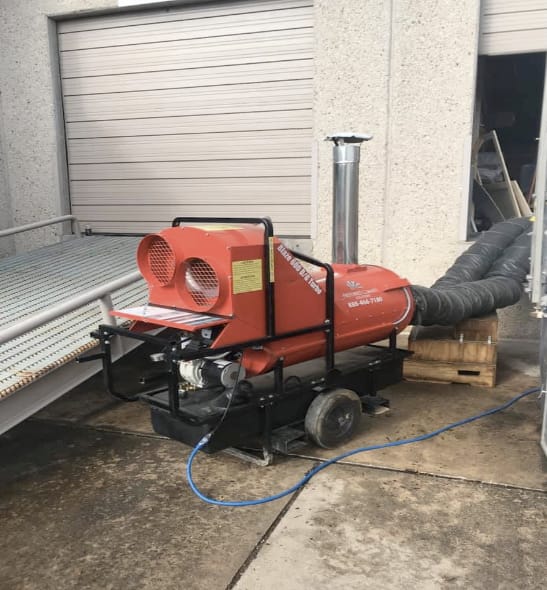
  1. Electric heaters: These are popular for small spaces because they are simple to use and affordable. The heater heats the element within the heater and radiates heat to the surrounding area. They are portable and can be moved easily from one room to the next.
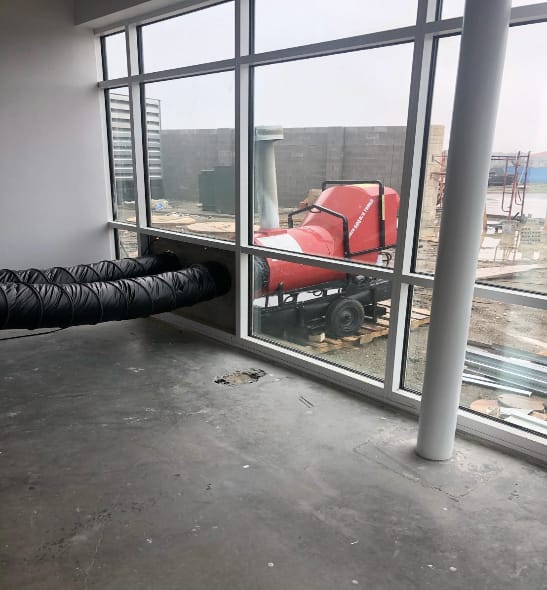
  2. Gas heaters: These are popular for larger spaces because they are more powerful and efficient than electric heaters. The heaters work by heating propane or natural gas to produce heat. This heat is then distributed through a fan. Although gas heaters are more expensive than electric heaters to heat larger areas, they are usually more efficient.
  3. Oil-filled heaters: The oil heats the element and then radiates heat to the surrounding area. Because they don’t require maintenance, oil-filled heaters make an excellent choice for small spaces.
  4. Radiant heaters: Radiant heating works by emitting infrared radiation. This heats the space directly rather than heating the air. Radiant heaters are great for high-ceiling areas or outdoor areas. They can heat large areas quickly and efficiently.
  5. Convection heaters: Convection heaters heat and circulate the air with a fan. Because they heat the air efficiently and quickly, they make a great choice for larger spaces.

How to choose the best heater for your space

There are many factors you should consider when choosing a heater to rent. First, determine how big the space you want to heat. This will allow you to determine the power of your heater.

Second, consider which heater will best suit your space. An electric or oil-filled heater might be enough if you have a small space. A gas or convection heater might be better if you have more space.

You should also consider safety features such as tip-over protection and overheating protection. This is especially important for if you have toddlers & pets.

If you need a heating/cooling solution on rent, try Preferred Climate Solution. We offer all types of heaters and coolers on rent in Texas. Contact us now!
,
1 1
Blog

‍Living in cold climates can be hard to bear, and often it requires a hefty energy bill to keep your home or facility warm in the winter. But what if you could stay cozy and save money simultaneously? That’s where portable heat pumps come in. Renting a portable heat pump is an effective and economical way to keep warm while saving money on energy costs.

Let’s get started!

Introduction to Portable Heat Pumps

portable heat pump is a device that moves heat from one place to another to provide efficient heating and cooling. Portable heat pumps are an energy-efficient alternative to traditional heating and cooling systems. They are also more affordable and accessible to install than other heating and cooling systems.

Portable heat pumps work by compressing a gas, such as Freon, to heat or cool the air. The gas is compressed and released, creating a heating or cooling effect. This process is called the refrigeration cycle. The heat pump uses the refrigeration cycle to transfer heat from one place to another. A heat pump can lower your electricity use by approximately 50%.

Advantages of Renting a Portable Heat Pump

There are many advantages to heat pump rental compared to other heating and cooling systems. 

Affordable: Portable heat pumps also require less maintenance and installation time than other systems. They are also more energy efficient than other systems and can help you save money on your energy bill.

Versatile: They can be used in various locations, including outdoor events, basements, garages, sheds, and many other places. They are also used to heat or cool larger areas, such as a whole house.

Easy to install and use:  All you need to do is plug them in and set the temperature. You can also move them from one location to another as needed.

What to Consider Before Renting a Portable Heat Pump

Before renting a portable heat pump, you should consider a few things. 

Size: You’ll want to ensure you get a unit that is the right size for your space. It should be powerful enough to heat or cool the area you need but not so powerful that it’s wasting energy.

Cost: Portable heat pumps are generally more affordable than other heating and cooling systems, but they can still be expensive. Make sure to compare prices to get the best deal.

Installation time: Portable heat pumps are easy to install, but they can still take some time to set up. Make sure you have the time and resources to install the unit properly.

The Different Types of Portable Heat Pumps

The most common type is the air-source heat pump. These pumps use air as the source of heat and can be used to heat or cool a room or a whole house.

There are also water-source heat pumps, which use water as a heat source. These pumps are more efficient than air-source pumps but are also more expensive.

Geothermal heat pumps are another option. These pumps use geothermal energy to heat or cool a space. They are more efficient than air- or water-source pumps but are also more expensive. The US Environmental Protection Agency (EPA) reported that homeowners could save as much as 70% on heating and half the cost of cooling with geothermal.

Finally, hybrid heat pumps combine air, water, and geothermal energy to heat or cool a space. These pumps are more efficient than other types of pumps, but they are also more expensive.

Portable Heater vs. Portable Heat Pump

When it comes to heating a space, you may wonder if you should rent a portable heater or a portable heat pump. Both are great options, but they have their differences.

A portable heater is a device that uses electricity to generate heat. It is usually more affordable than heat pumps, but they can be less energy efficient. Portable heaters can also be noisy and can create a lot of dust and allergens.

On the other hand, a portable heat pump uses the refrigeration cycle to transfer heat from one place to another. They are more energy efficient than portable heaters and can be used to heat or cool a space. They are also quieter and generate less dust and allergens.

Portable Heat Pump Rental Options

There are several rental options when it comes to portable heat pumps. You can rent a unit from a local home improvement store or a company specializing in portable heat pumps like Preferred Climate Solutions. You can also rent a unit from an online retailer.

How to Choose a Portable Heat Pump Rental Company

When choosing a portable heat pump rental company, you’ll want to ensure they are reliable and offer good customer service. You’ll also want to ensure they have reasonable rates and a good selection of heat pumps.

You should also make sure the company offers installation and maintenance services. It will ensure your unit is installed correctly and maintained regularly.

Finally, ensuring the company offers good product warranties would be best. 

Portable Heat Pump Tips

Finally, here are a few tips to help you get the most out of your portable heat pump:

  1. Make sure you get the right size for your space. A too-small unit won’t be able to heat or cool your room effectively, and a too-large unit will waste energy.
  2. Clean the filter on your unit regularly. This will keep it running efficiently and prevent dust and allergens from circulating in your home.
  3. Make sure to install the unit properly. This will ensure it runs efficiently and safely.
  4. Has the unit been serviced regularly? This will help keep it running smoothly and reduce the risk of breakdowns.
  5. Make sure to keep the area around the unit free of debris. This will help it run more efficiently and reduce the risk of fire.

Conclusion

Renting a portable heat pump is a great way to stay warm and save money on energy costs. They are affordable, easy to install, and energy efficient. Several portable heat pumps are available, and you can rent a unit from a local store or an online retailer. Just compare prices and choose a reputable company with good customer service.

Finally, keep these portable heat pump tips in mind to ensure your unit runs efficiently and safely. With a bit of research and preparation, you’ll be able to stay cozy and save money with a portable heat pump rental!

,
heater rental service
Blog

With winter just around the corner, many of us are considering ways to keep our homes & facility warm and comfortable. Portable heat pumps are a great way to do just that, and with the proper knowledge, you can maximize your efficiency and save money. In this blog post, we’ll look at portable heat pumps, their benefits, efficiency, and how to choose the best one for your needs. We’ll also discuss maintenance’s importance and provide tips for keeping your portable heat pump running in tip-top shape.

What is a Portable Heat Pump?

A portable heat pump is a device that uses electricity to transfer heat from one location to another, often from outside to inside. Most are designed to be used in colder climates and require some form of insulation to prevent heat loss. They typically come in two varieties: air-source and ground-source. Air-source pumps use air from outside the home to collect heat and transfer it indoors, while ground-source pumps use geothermal energy from the earth’s crust to collect and transfer heat.

The biggest benefit of a portable heat pump is that it is much more efficient than a traditional furnace or electric space heater. Heat pumps use less energy to produce heat, meaning you can save a lot of money on energy costs. That makes them a great choice for those looking to reduce their energy bills.

Benefits of a Portable Heat Pump

Heat pumps are great for a variety of reasons:

  1. They are incredibly efficient, meaning that you’ll save money on energy bills.
  2. They are easy to install and maintain, making them ideal for those with limited DIY skills.
  3. They are incredibly versatile and can be used in a variety of applications.

Most portable heat pumps require some form of insulation to maximize efficiency. They also don’t require an exhaust vent like a furnace, meaning they are much safer. Furthermore, they are great for those living in apartments or other small spaces as they can be easily moved and don’t require a large installation.

Heat Pump Efficiency

Heat pump efficiency is measured by the Coefficient of Performance (COP). This measures how much energy is used to produce heat versus how much energy is lost. Generally, the higher the COP, the more efficient the heat pump. Most portable heat pumps have a COP of between 3 and 5, with some higher-end models boasting a COP of up to 8.

Aside from the COP, other factors can also affect the efficiency of a heat pump. The type of insulation used, the unit’s size, and the climate you live in can all impact the efficiency of your heat pump. For example, in colder climates, you’ll want to make sure that you invest in a higher-end model with a higher COP to ensure maximum efficiency.

Advantages of Portable Heat Pumps

Portable heat pumps are great for various reasons, but one of the biggest advantages is their portability. Unlike traditional furnaces, you can move a portable heat pump from room to room or even from home to home, depending on your needs. That makes them great for those who live in apartments or other small spaces where a traditional furnace would not be feasible.

Furthermore, portable heat pumps are incredibly efficient. They use less energy to produce heat, meaning you can save money on energy bills. This makes them a great choice for those looking to reduce their energy consumption and carbon footprint.

Factors to Consider When Choosing a Portable Heat Pump

When choosing a portable heat pump, there are a few factors to consider. First, you’ll want to ensure that the model you choose is the right size for your space. A unit that is too small won’t be able to heat the room properly, while one that is too large will waste energy.

You’ll also want to consider the type of climate you live in. In colder climates, you’ll want to invest in a higher-end model with a higher COP to ensure maximum efficiency. Furthermore, you’ll want to ensure that the unit is properly insulated to prevent heat loss and maximize efficiency.

Factors Affecting Heat Pump Efficiency

There are a few factors that can affect the efficiency of your heat pump. 

The type of insulation used is a big one. Proper insulation is essential for preventing heat loss and maximizing efficiency. Additionally, the size of the unit and the type of climate you live in can affect your heat pump’s efficiency.

Another factor to consider is the type of heat pump you are using. Air-source pumps use air from outside the home to collect heat and transfer it indoors, while ground-source pumps use geothermal energy from the earth’s crust to collect and transfer heat. Each type of heat pump has advantages and disadvantages, so it’s important to research and choose the one that’s right for you.

Portable Heat Pump Rental

For those who don’t want to purchase a portable heat pump, renting is always available. Heat pump rental companies offer a variety of heat pumps for rent, making them a great option for those looking for a more cost-effective option. These companies typically offer installation and maintenance services, meaning you can rest easy knowing that your heat pump is in good hands.

Maintenance Tips for Portable Heat Pumps

Like any other appliance, your portable heat pump will need regular maintenance to stay in good working order. Including checking the filters, changing the oil, and ensuring all parts are in proper working order. Additionally, you’ll want to ensure that the unit is properly insulated to prevent heat loss.

Finally, it’s significant to keep an eye on your energy bills. If you notice an increase in energy costs, it could be a sign that your heat pump is not running as efficiently as it should be. In this case, it’s best to call an HVAC technician to come and take a look at the unit to ensure everything is running properly.

Conclusion

With the right knowledge and maintenance, you can maximize your efficiency and ensure that your heat pump runs at its best. When choosing a portable heat pump, it’s important to consider factors such as size, climate, and insulation, as well as the type of heat pump you choose. Additionally, heat pump rental is a great option for those who don’t want to commit to purchasing a unit. These tips will help you get the most out of your portable heat pump and maximize its efficiency.

,
hpcs 18
Blog

If you live in an area where the weather changes drastically according to the seasons, you might debate whether to buy a heat pump or an air conditioner.

Portable heat pumps work like air conditioners for cooling interior spaces. However, a heat pump can also heat interior spaces, whereas an air conditioner can not.

In this article, discover the benefits of a portable heat pump over an air conditioner, learn the pros and cons of heat pumps and air conditioners, and whether a heat pump rental helps reduce energy costs.

What Is a Portable Heat Pump?

A portable heat pump is like an air conditioner. However, it can also heat interior spaces and cool them. Portable heat pumps are becoming increasingly popular in cooler climates because they are very cost-effective and help save on energy costs.

A portable heat pump exchanges air from outside to air inside. In warm weather, a portable heat pump takes the hot air from inside and sends it outdoors to help cool the room temperature. Then, in cool weather, it does the opposite and absorbs the heat from outdoors and brings it in to warm the interior spaces.

These cost-effective appliances can warm interior spaces even on the coldest days of the year. However, if you live in a destination where there is not much need for cooling, you might consider a heat pump rental. This alternative can save money off-season when heating and cooling are not required.

What Is an Air Conditioner?

An air conditioner is an appliance that supplies cool air to indoor spaces and removes heat and humidity to help regulate high indoor room temperatures during warm weather.

Air conditioners are popular in tropical climates where there is less of a need for heating interior spaces. Unlike a portable heat pump, an air conditioner can not heat interior spaces.

Therefore, in cool climates, most people with an air conditioner will also have to invest in a heat source to warm their indoor spaces.

Similarities Between Heat Pumps and Air Conditioners

If you are still undecided about whether to purchase a heat pump or an air conditioner, here is some information about the similarities between both appliances:

  • Both appliances work effectively to cool your indoor spaces
  • Both units use a refrigerant to help with the cooling process
  • Each unit exchanges heat from indoors and sends it outdoors
  • Both appliances work operate effectively in warm weather

Differences Between Heat Pumps and Air Conditioners

Although a portable heat pump and an air conditioner are both effective at cooling the air in warm weather, these appliances have significant differences that may affect your decision to purchase one or the other, for instance:

  • Unlike portable air pumps, air conditioners can not heat indoor spaces
  • A heat pump can heat and cool interior spaces, whereas an air conditioner can not
  • To heat indoor spaces without a heat pump, you will need an air conditioner in combination with a furnace

Factors To Consider When Choosing a Heat Pump or an Air Conditioner

Are you still contemplating which appliance to buy for indoor heating and cooling? If so, there are several determining factors. Before deciding whether an air conditioner or a portable heat pump is right for you, some factors to consider include:

  • Your intended use of the appliance, for example, heating, cooling, or both
  • The size of your interior space
  • Your budget
  • The energy efficiency of the unit

Benefits of a Portable Heat Pump Compared to an Air Conditioner

Portable heat pumps offer several benefits for heating and cooling your home that air conditioners do not.

Compact Size

Portable heat pumps are lightweight and compact. These cost-effective appliances are ideal for small interior spaces, such as offices, apartments, bedrooms, and living rooms.

Because portable heat pumps are lightweight and compact, they are ‌easier to transport from room to room than an air conditioner.

Easy to Install

Anyone can install portable heat pumps without hiring a professional installer to do the job. You can place portable heat pumps anywhere indoors as long as there is an outside access point for the exhaust hose and a regular AC outlet.

Air conditioners are much heavier than heat pumps. They also require a stable source of electricity to run them rather than a standard AC outlet.

Low Maintenance

Portable heat pumps offer very little maintenance. These compact appliances can remain in place all year long without taking up much room.

You must remove air conditioners from widow surfaces and store them in dry places upright for the winter months. This is no simple job because air conditioners are heavy. Air conditioners are not on wheels and need to be carried to their storage area.

Dual Purpose

Unlike an air conditioner, a portable heat pump can heat and cool indoor spaces. An air conditioner can only cool indoor spaces.

Therefore, in climates where the weather changes from hot to cold, a person who invests in an air conditioner will also have to buy a furnace to provide heating.

Convenient

Portable heat pumps offer the convenience of heating and cooling through one appliance rather than purchasing two separate units.

Portable heat pumps are also easily transportable and come with wheels that help protect your back from injuries when rolling the appliance from room to room. Plus, you can find portable air conditioning units for rent if you aren’t ready to purchase one.

Energy Efficiency

Portable heat pumps require less electricity to operate than air conditioners. Therefore, they will be more cost-effective in your energy costs and save you money yearly compared to air conditioners.

Because portable heat pumps can heat and cool your indoor spaces, they will save you money all year long, no matter the season.

Final Thoughts

This concludes our article about the benefits of a heat pump over an air conditioner. We hope we have given you some vital information to consider when choosing your next heating and cooling appliance.

For more information on a heat pump rental, visit Preferred Climate Solutions for estimates and consultation today.

,
phrs
Blog

A portable heat pump is an economical choice in heating options for heating in cooler weather and cooling in warm weather. These convenient appliances are transportable from room to room to adjust indoor temperatures accordingly.

Safer than space heaters, portable heat pumps are energy efficient and an affordable alternative to air conditioning units.

In this article, discover why portable heat pumps are a must-have for any space, various types of portable heat pumps, the benefits of portable heat pumps, and the pros and cons.

Types of Portable Heating Pumps

An air-source heating pump is one of the most common portable heat pumps. This type of heat pump works through a refrigeration cycle. Air-source heating pumps use refrigerants to blow cold air through indoor spaces. They heat an area by blowing warm air from the exhaust indoors rather than ejecting it outside through the exhaust pipe.

Here is a list of portable heating pumps you can purchase from your local hardware store or consider a heat pump rental from a reputable heating and cooling company.

Dual-Hose Heat Pumps

The dual-hose portable heating pump sucks in indoor air and transports it to other indoor spaces through an exhaust system. This heating alternative is more costly than others and is beneficial for sizeable areas.

Single-Hose Heat Pumps

Single-hose portable heat pumps have one hose that extends outdoors to heat and cools your indoor spaces with a compressor. This type of portable heat pump is one of the most economical choices on the market and is suitable for heating and cooling small spaces.

Our Top Choice of Portable Heat Pumps

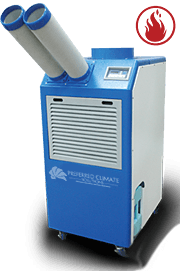
Our top choice in portable heat pumps is the WPH-400. This dual-purpose unit for heating and cooling works on a 20 amp breaker with a regular power outlet. Some attractive features of the WPH-400 include:

  • Because this appliance serves as a heating and a cooling unit, it is more affordable than buying separate units
  • This unit delivers 18,500 BTU/hr of heat, ideal for spaces of 400–600 square feet, and 16,800 BTU/hr of cooling
  • The WPH-400 is durable and comes with sturdy casters for easy transport
  • This unit has a built-in self-starter for power outages

Factors to Consider When Purchasing a Portable Heat Pump

Your space size is a crucial factor in determining if buying a portable heat pump is a viable option for heating and cooling your home or commercial space. Other factors to consider before purchasing a portable heat pump may include:

  • If renting a portable heat pump for certain times of the year, such as summer, would be more practical than purchasing a unit
  • Comparing the sizes of portable heat pumps to ensure they are large enough to cover your entire area
  • Comparing the different models and features offered in portable heat pumps

Pros of Buying a Portable Heat Pump

When deciding on the best heating and cooling option, some people might ask themselves, what are the benefits of buying a portable heat pump?

We have done our research to come up with the best answer to this question. Here is our list of benefits of buying a portable heat pump for any indoor space:

Serve a Dual Purpose

One of the most favorable benefits of purchasing a portable heat pump is that they serve as a heater and an air conditioner. If you don’t have much room, having just one device saves space.

Economical

An ideal investment, portable heat pumps are more economical than other heating and cooling units. They function as a heater and an air-conditioner in one unit. Thus, saving the consumer money by only having to purchase one unit, instead of two.

No Need for Installation

Offering convenience, portable heat pumps do not require installation. Most brands of portable heat pumps are plug-and-play and work with regular power outlets. Therefore, there is no need to hire an electrician to install your unit. Most units are lightweight and set up by one person.

Easily Transportable

Easy to move, many portable heat pumps have wheels. They are easily transportable from room to room, or from one location to another.

Compact

Perfect for small spaces, portable heat pumps are compact but efficient for heating and cooling any type of space, including homes, offices, trailers, cottages, and even dog houses or chicken coops.

Energy Efficient

Purchasing a portable heat pump equipped with heating and cooling capabilities will use less energy than buying two separate units. This will not only help use less energy, but it will also help reduce your yearly heating and cooling expenses.

When selecting your unit, look for energy star appliances to ensure high efficiency and ultimate savings on energy costs.

Cons of Portable Heating Pumps

With anything you decide to purchase, there are always disadvantages to consider before making your final decision on whether the product is right for you. Here is a list of cons associated with buying portable heating pumps:

Portability

Although portability can be beneficial in some circumstances, it can also be an inconvenience when you have to move the unit from room to room throughout the day. This is especially true if your unit is on the heavy side.

Limited Coverage

Portable heating pumps are ideal for small spaces and spot heating. However, when looking into heating and cooling options for larger spaces and entire homes, a portable heating unit might not be the ideal solution.

Noisy

Another disadvantage of buying a portable heat pump is that they are noisier than installed furnaces and air conditioning units or outdoor heat pumps. However, some people don’t mind the noise and actually find it a benefit to sleep with the hum of the unit.

Final Thoughts

After weighing the pros and cons, we feel that portable heat pumps are a must-have for any space. The benefits of investing in a portable heat pump far outweigh the disadvantages.

For more information on portable heat pump rentals in Austin, Texas, Dallas, Fort Worth, or Houston, visit Preferredclimatesolutions.com for consultation and an estimate today.

,
Scroll to Top