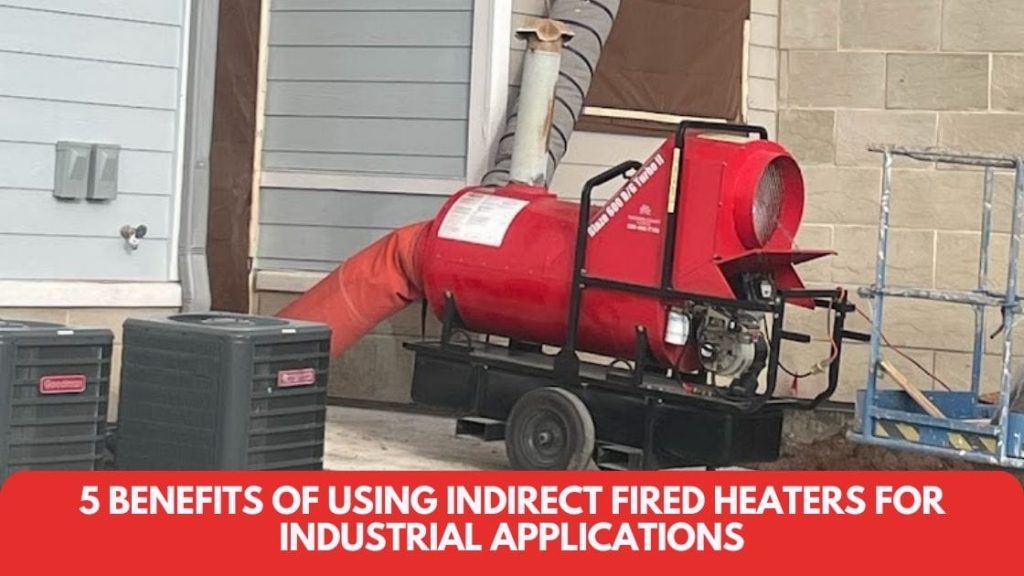
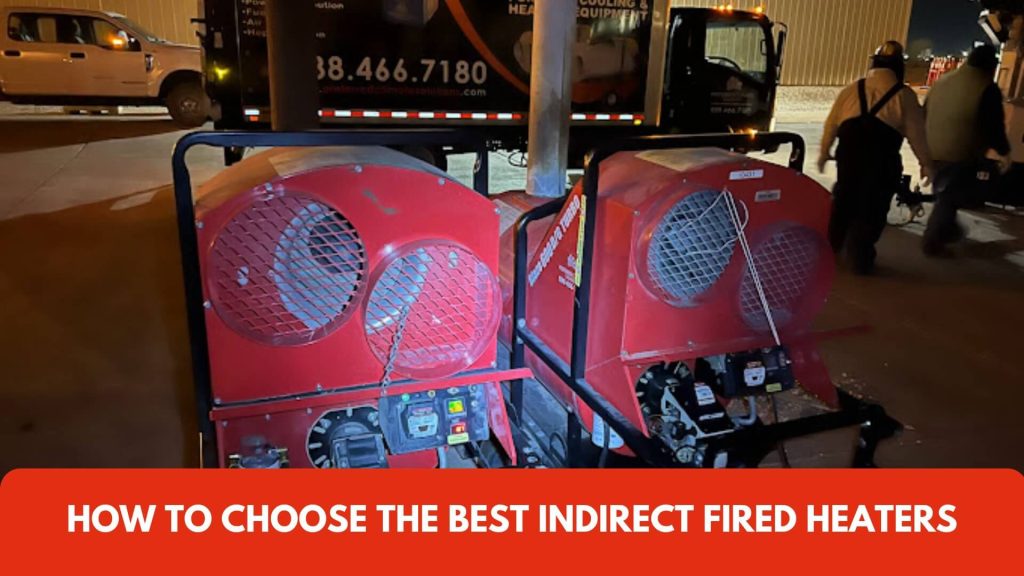
Using the right type of heating solutions is crucial for efficiency and safety, and indirect fired heaters stand out as an ideal option in many situations.
Navigating the options of indirect heaters can feel overwhelming, but understanding their specific features simplifies the decision-making process. Here’s everything you need to know about the best indirect fired heaters, including how they work, where they’re used, and how to choose the perfect type for your project.
Understanding Indirect Fired Heaters
Indirect fired heaters are distinct heating systems that operate by warming air through a heat exchanger, not directly exposing the environment to flame. This unique mechanism separates them from other heating options, offering enhanced safety and flexibility.
Commonly, these heaters are employed in settings where direct heating is impractical or unsafe, such as construction sites, industrial facilities, and outdoor events. Their adaptability makes them ideal for a wide range of applications, ensuring consistent heating without direct fire exposure.
Pros and Cons
Let’s examine the advantages and disadvantages of indirect fired heaters.
Pros:
- Safety: By eliminating direct flame, indirect fired heaters significantly reduce the risk of fire hazards, ensuring a safer environment.
- Versatility: Adaptable to various settings, these heaters are suitable for everything from temporary event spaces to permanent industrial installations.
- Controlled Heating: The design allows for precise temperature control, providing consistent and efficient heating suitable for sensitive environments.
Cons:
- Efficiency Trade-off: While safe and versatile, these heaters may not be as efficient as direct fired heaters in terms of fuel usage.
- Higher Costs: The advanced design and safety features often result in a higher initial investment compared to other heating options.
- Maintenance Requirements: Regular maintenance is crucial for these systems, potentially leading to additional upkeep costs and efforts.
Types of Indirect-Fired Heaters
The world of indirect fired heaters is diverse, with each type offering distinct benefits tailored to specific needs and environments.
Portable Heat Pumps: These heaters stand out for their flexibility and ease of relocation, making them perfect for temporary or changing spaces like event venues or construction sites. Portable heat pumps are known for their energy efficiency and can provide consistent heating without the need for a permanent installation.
Salamander Electric Heaters: Salamander heaters are renowned for their rapid heating capabilities, making them ideal for quickly warming up spaces like workshops or garages. Their design focuses on delivering high heat output in a short time, which is particularly beneficial in colder climates or in situations requiring immediate warmth.
Ductable Heaters: These are versatile indirect fired heaters that can be connected to ductwork to distribute warm air throughout a larger space. They are especially useful in situations where heating needs to be targeted or spread over a wide area, such as in large warehouses, event tents, or during construction projects.
Trailer-Mounted Heaters: These are large, powerful indirect fired heaters that are mounted on trailers for easy transportation. They’re ideal for very large spaces or outdoor applications, such as in mining operations, disaster relief situations, or large-scale outdoor events.
Key Factors in Choosing Indirect-Fired Heaters
Selecting the right indirect fired heater involves carefully considering several key factors to ensure you choose a heater that efficiently and effectively meets your specific needs.
Assess Capacity and Heating Power Requirements
Start by evaluating your specific needs in terms of capacity and power. The right size and power are essential for optimal performance. Avoid under or over-sizing to prevent inefficiencies or inadequate heating.
Fuel Efficiency and Cost-Effectiveness
Focus on fuel efficiency and overall cost-effectiveness. It’s essential to weigh the initial investment against long-term operational costs. Factors like fuel types and consumption rates significantly affect your budget and efficiency goals.
Versatility and Mobility
Consider the heater’s versatility and mobility, especially for temporary or rental needs. The ease of installation, transportation, and adaptability to various environments is crucial. This is particularly relevant for sites like construction areas or events requiring temporary heating solutions.
Environmental Impact and Eco-Friendly Options
Finally, think about the environmental impact of your heating choice. Opting for eco-friendly heaters that have lower emissions and energy-efficient designs is beneficial. Look for options that use renewable or less polluting fuel sources to minimize your carbon footprint.
Maintenance and Longevity of Indirect Fired Heaters
Consistent maintenance and routine inspections are pivotal for the smooth operation of indirect fired heaters. Regular checks should focus on components like the heat exchanger, fuel lines, and electrical connections. Neglecting them can lead to decreased efficiency, higher fuel costs, and potential safety risks.
Essential maintenance routines often include cleaning, checking for blockages, ensuring proper ventilation, and closely monitoring the heater’s performance.
- Regular cleaning helps prevent the accumulation of dust and debris, which can hinder efficiency and safety.
- Inspecting for blockages ensures that air and fuel can flow freely, crucial for optimal operation.
- Adequate ventilation is essential not only for efficient operation but also for ensuring a safe environment for users.
Adhering to the manufacturer’s specific maintenance recommendations is vital. Each model may have unique requirements or guidelines that, when followed, extend the life of the heater and maintain its efficiency.
Buying vs. Renting: Which is Best?
When it comes to utilizing indirect fired heaters, purchasing them outright isn’t the only option. Indirect heater rental offers a flexible alternative.
The benefits of renting, such as with a temporary heater rental, include not having to worry about long-term maintenance or storage. Renting is also cost-effective as it allows users to pay only for the duration the heater is needed.
Renting also provides the opportunity to choose from a variety of models, such as portable heat pumps or salamander electric heaters, depending on the specific needs of the occasion. This flexibility is ideal for businesses or individuals who require heating solutions for different types of events or projects, without the burden of maintaining a fleet of heaters.
Final Thoughts
Indirect fired heaters offer many unique and valuable benefits in a wide variety of situations. Whether you decide to rent or buy, the first step in making an informed decision is understanding their basic functionality and purpose.
When selecting an indirect fired heater, consider the fuel efficiency, power, type, and other factors listed above. Armed with your new knowledge, you’re ready to find the best indirect fired heater for your needs.