
Portable Heat Pumps

HVAC System for Winter
Blog

As winter approaches, ensuring your HVAC system is ready becomes essential for maintaining a cozy indoor environment. Proper preparation enhances comfort and leads to significant cost savings and improved efficiency.

Regular maintenance can prevent unexpected breakdowns, reduce energy consumption, and extend the lifespan of your system.

At Preferred Climate Solutions, we specialize in providing heater rentals and portable heat pumps to support your winter heating needs. Our services are designed to offer flexible and reliable solutions, ensuring you stay warm throughout the season.

What is an HVAC System and How Does it Work?

An HVAC system, or Heating, Ventilation, and Air Conditioning system, keeps your home or workspace comfortable no matter the season. It is the all-in-one solution for heating in the winter, cooling in the summer, and keeping the air fresh year-round.

These systems are essential for maintaining a controlled indoor environment, whether it’s a cozy home or a busy office.

In winter, the heating component becomes the star player, ensuring your space remains warm and comfortable as the temperatures drop outside.

How Does It Work?

HVAC systems operate by combining three key functions:

  • Heating: A heating system, such as a furnace, boiler, or heat pump, generates warm air that is distributed throughout your space using ducts or vents. This ensures consistent warmth during colder months.
  • Ventilation: Ventilation introduces fresh air while removing stale indoor air, promoting a healthier environment. It helps maintain air quality even when windows and doors remain closed for long periods.
  • Air Conditioning (off during winter): While it focuses on cooling your space during summer, the air conditioning component typically stays idle in winter but remains ready for warmer months.

By integrating these three functions, an HVAC system ensures year-round comfort and efficiency.

Modern Heating Solutions

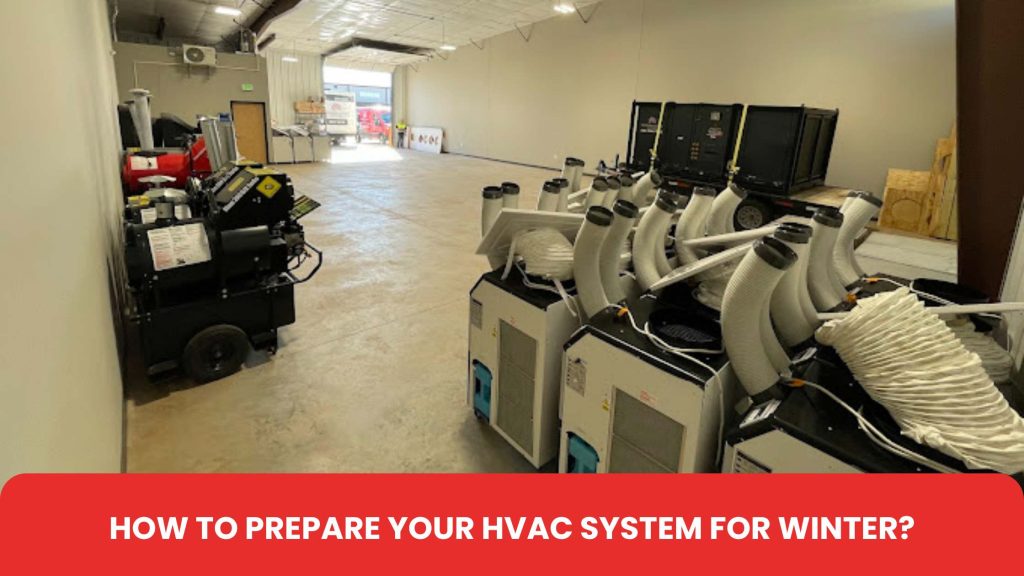
Portable heat pumps are a great example of how heating has become smarter and more adaptable. These efficient units can be rented to provide quick and flexible heating wherever you need it—at home, in the office, or even on a worksite.

Now that we’ve covered how an HVAC system works let’s talk about why getting it ready for winter is such a smart move.

Why is Winter HVAC Preparation Important?

Winter can be tough on HVAC systems, especially when they’re working overtime to keep your space warm. A little preparation can go a long way in keeping things running smoothly and avoiding major headaches during the cold months. Let’s break it down:

Avoid System Breakdowns

Nobody wants their heating to fail in the middle of a freezing winter night. Regular maintenance helps catch small issues before they become expensive repairs or complete system failures.

Think of it as giving your HVAC system a tune-up so it’s ready to handle the workload.

Improve Energy Efficiency

A well-maintained HVAC system uses less energy to heat your space.

Clean filters, sealed ducts, and optimized performance mean your system doesn’t have to work as hard, which translates to lower energy bills.

Enhance Indoor Comfort

Preparation ensures consistent and even heating throughout your space. At home or in a business setting, a properly functioning HVAC system creates a cozy environment where you don’t have to layer up indoors.

Getting ahead of potential issues now means enjoying a warm, worry-free winter.

How to Prepare Your HVAC System for Winter

Getting your HVAC system ready for winter is like prepping your car for a long road trip-you want everything in top shape to avoid unexpected issues. Here’s how to ensure your system runs smoothly all season:

Inspect and Clean the System

Regularly inspect and replace filters; consider professional duct cleaning to maintain efficiency.

  • Check Filters, Ducts, and Vents: Dirty filters and ducts can restrict airflow, making your system work harder.
  • Remove Debris and Dust Buildup: Clean around your HVAC units, including outdoor components, to prevent debris from causing damage or reducing efficiency.

Test Your Heating System

Learn about any issues your HVAC system might have now before the cold weather sets in. Going a night without heat before winter sets in will be less unpleasant than doing so on a chilly night.

  • Run a Test Cycle: While the system is running, listen for any unusual noises and check for consistent heat distribution throughout the home.
  • Address Unusual Sounds or Inefficient Heating: If you notice strange noises or uneven heating, it’s best to call a professional to diagnose and fix the problem before it escalates.

Schedule Professional Maintenance

Professionals’ years of experience offer many benefits. They can identify and fix issues that might not be apparent to the untrained eye. Your home insurance may also require a set schedule of professional maintenance.

  • Benefit of Expert Inspections and Tune-Ups: Regular maintenance by a certified HVAC technician can extend the lifespan of your system, improve efficiency, and prevent costly breakdowns.
  • Preferred Climate Solutions Services: Our team offers comprehensive maintenance services to keep your HVAC system in peak condition. We also provide heater rentals and portable heat pumps for additional support during the winter months.

Consider Temporary Heating Solutions

Sometimes, your current system just needs a bit of an assist.

  • Heater Rentals and Portable Heat Pumps: In case of emergencies or if your current system isn’t meeting your heating needs, renting a heater or portable heat pump can provide immediate relief.

Following these steps, you can keep your HVAC system running efficiently and avoid unnecessary headaches during winter.

But what happens if your primary system can’t keep up or you face an unexpected heating issue?

That’s where portable heating solutions, like electric heaters and heat pumps, come in handy. Let’s explore how these options can provide backup warmth when you need it most.

Portable Heating Solutions for Winter Emergencies

Sometimes, even with the best preparation, your HVAC system needs extra help. Portable heating solutions are an excellent backup for unexpected cold snaps, system malfunctions, or areas that need supplemental warmth. Here’s what you need to know:

Electric and Salamander Heater Rentals

Electric and salamander heaters are quick and convenient. They provide immediate warmth in small spaces, garages, or work areas. They’re easy to set up and start working immediately.

  • Versatile Applications: These heaters are a great choice for temporary heating in homes, offices, or even construction sites. Salamander heaters, particularly, are known for their robust performance in larger or more industrial settings.
  • Reliable Performance: These rentals offer dependable heat without complex installations, making them ideal for emergencies or temporary use.

Portable Heat Pumps

Energy efficient portable heat pumps provide heating and use less energy when compared to traditional heaters, saving you money while keeping you warm.

  • Flexibility: These units are suitable for various settings, including homes, offices, and outdoor events. They’re also designed for portability, so they can be moved where needed most.
  • Cost-Effective: Renting a portable heat pump allows you to access a high-performance heating solution without the upfront investment of purchasing one.

Pro Tips for Maintaining Your HVAC System in Winter

Keeping your HVAC system in good shape throughout the winter doesn’t have to be complicated.

Regular upkeep can go a long way in ensuring your home stays warm and cozy while keeping energy bills in check. Here are a few practical pro tips to keep everything running smoothly.

Change Air Filters Regularly

Check and replace your filters every 1-3 months, depending on usage and if you have pets or allergies.

A clean air filter is essential for smooth airflow and efficient system operation. Neglecting this simple step can make your system work harder and drive up energy costs. Keep a few spare filters handy, so you’re never caught off guard when it’s time to swap them out.

Seal Leaks and Insulate

Even the most efficient HVAC system can struggle to keep you warm if your home loses heat through leaks and poorly insulated areas. Lost heat means lost money.

Look for drafting windows, gaps around doors, or poorly insulated areas in your home that allow warm air to escape.

Adjust Thermostat Settings

Making small adjustments to your thermostat settings can help you stay comfortable without overworking your HVAC system.

Lowering your thermostat by a few degrees when you’re asleep or away can reduce energy usage significantly without sacrificing comfort.

If you haven’t already, consider upgrading to a smart thermostat with energy-saving features to automate temperature changes. Many local programs are available that can reduce the cost of smart thermostats for those willing to switch.

Keep Vents and Outdoor Units Clear

To prevent uneven heating inside the home, ensure that furniture, curtains, or rugs don’t block vents.

Watch for snow, ice, and debris that can accumulate around your outdoor unit, blocking airflow and potentially causing damage.

After snow falls, make it a habit to spend a couple of minutes brushing off any buildup around the unit and ensure at least two feet of clear space around it. Taking a few minutes to check can prevent major headaches.

Keep a Maintenance Schedule

Even with the best intentions, some issues can only be caught by a professional.

Scheduling annual maintenance is the best way to stay ahead of problems, and smart thermostats may offer a reminder feature so you never forget to make an appointment.

Technicians can clean components, check for wear and tear, and keep your system running at peak efficiency. If a problem starts, annual checks can catch it before it becomes more severe.

These small steps can make a big difference in how well your HVAC system handles the colder months. A little effort now can prevent unexpected issues down the road, leaving you with more time to enjoy the season in comfort.

When to Call a Professional

Even with regular maintenance and DIY efforts, some HVAC issues are best addressed by a professional. Knowing when to seek help can save you from costly repairs and keep your system ready to tackle winter’s demands.

  • Strange Noises: If you hear banging, rattling, or hissing sounds from your HVAC system, it’s time to call in an expert. These noises often signal mechanical issues that can worsen if left unaddressed.
  • Uneven Heating or No Heating at All: Cold spots in your home or inconsistent heating can indicate problems with ducts, vents, or the heating unit itself. A professional can quickly pinpoint and resolve the issue.
  • Unusual Energy Bills: A sudden spike in energy costs might mean your system is working harder than it should, possibly due to inefficiency or a malfunction.
  • Frequent Cycling: Does your system keep turning on and off? It could be struggling to maintain the desired temperature. This issue can strain the system and lead to higher utility bills.

At Preferred Climate Solutions, we understand the importance of having a reliable heating system during the winter.

Our team is here to help with maintenance, repairs, and even temporary heating solutions like heater rentals and portable heat pumps. Don’t wait until a small issue becomes a big problem; reach out for professional assistance when needed.

Don’t let the cold catch you off guard—take action today and enjoy a stress-free, cozy winter.

Conclusion

Preparing your HVAC system for winter doesn’t just ensure a warm and comfortable home—it also saves energy, reduces costs, and extends the life of your system.

From changing filters and sealing leaks to scheduling maintenance and investing in portable heating solutions, every small step contributes to better performance and peace of mind.

If you encounter any challenges or need extra support, Preferred Climate Solutions is here to help.

Contact Preferred Climate Solutions now to learn more about our services and how we can assist with your HVAC needs!

Frequently Asked Questions

Here are some frequently asked questions about preparing your HVAC system for winter.

What are the four main types of HVAC systems?

The four main types of HVAC systems are split, hybrid, ductless, and packaged.

Split systems feature separate indoor and outdoor units. Hybrid systems combine electric and gas heating for efficiency. Ductless systems heat and cool without ducts, while packaged systems include all components in one unit.

Which components in an HVAC system typically need the most attention?

Air filters, coils, and ducts require the most attention. Filters should be replaced monthly, coils need cleaning to maintain efficiency, and ducts should be inspected for leaks or blockages to ensure proper airflow.

What is the difference between AC and HVAC?

AC only cools indoor spaces, while HVAC handles heating, ventilation, and cooling, providing year-round climate control.
, , ,
portable heat pumps
Blog

Business owners need efficient, effective, and affordable heating and cooling solutions. Many have turned to portable heat pumps, which have surged in popularity during the past few years. Small but mighty, these devices promise a flexible and cost-effective alternative to traditional HVAC systems.

But are they the right option for your needs? If you’re interested in learning more about portable heat pumps, you’re in the right place. Let’s explore their benefits, functionality, efficiency, and more.

Importance of Portable Heat Pumps

Portable heat pumps are becoming a popular choice for several reasons. They offer a high degree of flexibility. It is valuable for people living in rented accommodations or flexible office spaces.

Unlike traditional HVAC systems, which require extensive installation processes and a huge cost to set, portable heat pumps are easy to relocate. You can set these pumps in different rooms as needed. This mobility makes them ideal for providing targeted climate control without multiple installations.

Advantages of Portable Heat Pumps

Portable heat pumps offer several benefits for small and large spaces.

Versatility and Convenience

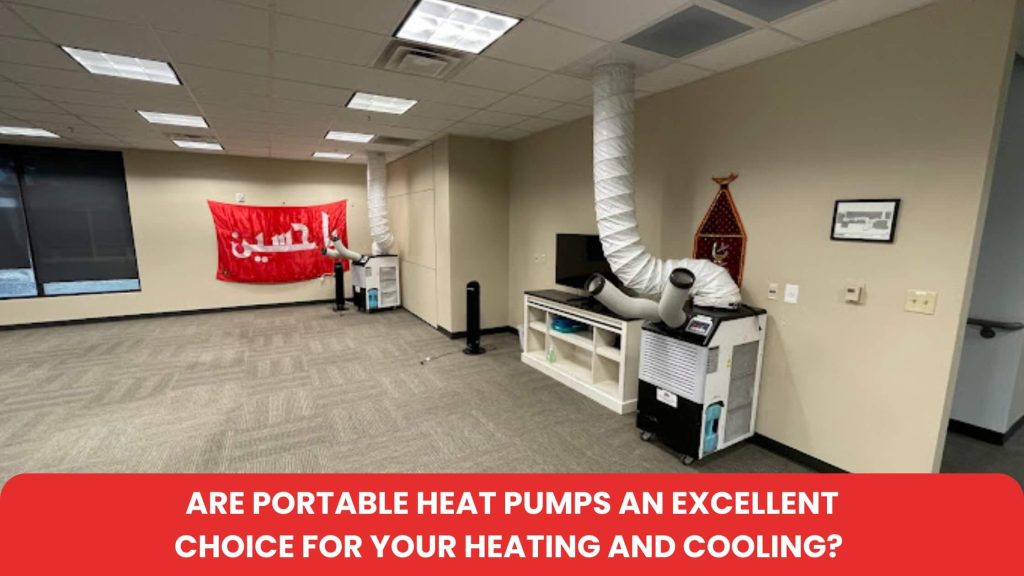
One can easily move portable heat pumps from one room to another. They offer versatile heating and cooling solutions for any space. This flexibility is useful for those who want to maintain comfort in various parts of their unit without investing in multiple HVAC units.

Additionally, portable heat pumps are relatively simple to set and require minimal installation. They have become a convenient option for anyone seeking quick and efficient climate control.

Energy Efficiency

One of the standout benefits of portable heat pumps is their energy efficiency. These devices operate by transferring heat rather than generating it. They can consume less energy compared to traditional heating systems.

When they are in cooling mode, they function similarly to air conditioners. They effectively cool the air by extracting heat and expelling it outside. This dual functionality allows users to save on energy costs throughout the year. Therefore, portable heat pumps stand out as an economically smart choice.

Cost-Effectiveness

The initial cost of a portable heat pump is generally lower than that of installing a full-scale HVAC system. Moreover, they are energy-efficient and help reduce monthly utility bills. Over time, the savings on energy costs can compensate for the initial investment. That makes portable heat pumps a cost-effective solution for maintaining comfortable indoor temperatures.

Eco-Friendly

Portable heat pumps are an environmentally friendly option for climate control. They contribute to less carbon emissions by using less electricity and avoiding fossil fuels. It makes them a suitable choice for environmentally conscious business owners and consumers looking to reduce their ecological footprint.

Compact and Space-Saving

These devices are compact and do not require extensive ductwork or permanent installations. Hence, they are ideal for small living spaces or homes with limited room for traditional HVAC systems. Their compact nature ensures they can be easily stored when not in use, further enhancing their practicality.

How Do Portable Heat Pumps Work?

Portable heat pumps are versatile devices that provide heating and cooling by transferring heat from one place to another. Their operation is based on the principles of thermodynamics. The device utilizes a refrigeration cycle to achieve the desired temperature control.

Understanding how portable heat pumps work can help you appreciate their efficiency and effectiveness. They can maintain comfortable indoor environments in most spaces.

Refrigeration Cycle

At the core of a portable heat pump is the refrigeration cycle, which involves four main components: the evaporator, compressor, condenser, and expansion valve. Here’s how these components work together to provide heating and cooling:

  • Evaporator: The process begins with the evaporator in cooling mode. It is where a refrigerant absorbs heat from the indoor air. It causes the refrigerant to evaporate into a gas. The cooled air is then circulated back into the room, reducing the indoor temperature.
  • Compressor: The compressor then compresses refrigerant gas, increasing its pressure and temperature. This high-pressure, high-temperature gas is necessary for the next step of the cycle.
  • Condenser: The hot, pressurized refrigerant gas moves to the condenser, releasing the absorbed heat to the outside environment. As the heat is expelled, the refrigerant cools down and condenses into liquid.
  • Expansion Valve: The cooled liquid refrigerant then passes through the expansion valve, where its pressure is reduced, causing it to cool further. The cycle then repeats as the refrigerant re-enters the evaporator.

Heating Mode

The process is reversed in heating mode. The evaporator absorbs heat from the outside air (even in cold conditions) and transfers it to the refrigerant.

The compressor then increases the refrigerant’s temperature and pressure before it reaches the condenser, where the heat is released into the indoor environment. It can warm the air. The expansion valve lowers the refrigerant’s pressure and completes the cycle as the refrigerant re-enters the evaporator.

Comparison to Traditional HVAC Systems

When considering heating and cooling solutions for your home or office, you must understand the differences between portable heat pumps and traditional HVAC systems. Each has unique advantages and disadvantages. However, the best choice depends on your specific needs and circumstances.

Energy Efficiency

Portable heat pumps are generally more energy-efficient than traditional HVAC systems. They use the principle of heat transfer rather than heat generation. It means they require less energy to achieve the same temperature control.

HVAC systems mostly rely on electric resistance heating or fuel combustion. They often consume more energy. This makes portable heat pumps a more environmentally friendly and cost-effective option in the long run.

Installation and Flexibility

One of the significant advantages of portable heat pumps is their ease of installation and flexibility. Portable heat pumps can be set up quickly. It makes them ideal for renters, small spaces, or situations where permanent HVAC installation is impractical or too costly. That is why most start-ups and SMEs prefer portable heater rentals.

Initial and Maintenance Costs

Traditional HVAC systems typically have higher upfront costs due to the complexity of installation and the need for ductwork. Additionally, ongoing maintenance can be more expensive, especially for older systems.

On the other hand, portable heat pumps have lower initial costs and are easier to maintain. They often only require simple tasks such as cleaning filters and ensuring the exhaust hose is clear.

Performance in Extreme Temperatures

Traditional HVAC systems can perform better in extreme temperatures, especially those with separate heating and cooling units. Portable heat pumps may struggle in very cold climates since their efficiency decreases as the outdoor temperature drops.

In contrast, traditional heating systems that burn fuel or use electric resistance heating can provide consistent warmth regardless of outdoor conditions.

Comfort and Air Quality

Traditional HVAC systems typically offer superior air circulation and filtration. It may lead to better overall air quality. They can more effectively control humidity and provide even temperature distribution throughout the entire building. Portable heat pumps, while efficient, may sometimes result in uneven temperature distribution in larger spaces.

Factors to Consider When Purchasing a Portable Heat Pump

When considering a portable heat pump for your home or office, you need to think about several factors. It will ensure you make an informed decision. Portable heat pumps offer versatile heating and cooling solutions, but choosing the right one requires careful evaluation of various aspects.

1. Size and Capacity

The size and capacity of the portable heat pump are important factors to consider. The unit’s capacity, measured in British Thermal Units (BTUs), should match the size of the space you intend to heat or cool.

A unit with insufficient capacity will struggle to maintain the desired temperature, while an oversized unit may cycle on and off too frequently, which can affect the device’s efficiency. Measure the room’s square footage and consult the manufacturer’s guidelines to select an appropriately sized unit.

2. Energy Efficiency

Energy efficiency is a key consideration for any heating and cooling device. Look for a portable heat pump with a high Energy Efficiency Ratio (EER) and Seasonal Energy Efficiency Ratio (SEER). These ratings indicate the unit’s cooling and heating efficiency.

Higher ratings mean lower energy consumption and reduced utility bills. Additionally, units with Energy Star certification meet strict efficiency standards and are environmentally friendly.

3. Noise Level

Noise level is an important factor, especially if the portable heat pump will be used in small office spaces. Check the unit’s decibel (dB) rating to gauge its noise level during operation.

Quieter units are generally more comfortable to live with, particularly during nighttime or working hours. Reading customer reviews and specifications can provide insight into the noise levels of different models.

4. Portability and Installation

The heat pump’s portability is a significant advantage. Look for a unit with sturdy wheels and handles for easy movement between rooms.

Consider the installation requirements, such as the length of the exhaust hose and the need for a nearby window or vent for proper ventilation. Some units require minimal installation, while others require more setup effort.

5. Features and Controls

Modern portable heat pumps offer different features and controls. They can enhance convenience and comfort. Look for units with programmable thermostats, remote controls, multiple fan speeds, and sleep modes.

These features allow you to customize the pump’s unit’s operation. You can adjust them to suit your preferences and schedule. This way, you can optimize energy usage and maintain a comfortable environment.

6. Maintenance and Durability

Regular maintenance can keep your portable heat pump running efficiently. Check the unit’s maintenance requirements, such as filter cleaning or replacement, and ensure these tasks are easy to perform. Moreover, consider the durability and build quality of the unit. Investing in a well-built, reliable model will ensure longevity and reduce the likelihood of breakdowns.

7. Price and Warranty

Finally, consider your budget and the warranty offered by the heat pump manufacturer. While choosing the affordable portable heat pump option may be tempting, investing in a higher-quality unit can save you money in the long run. A comprehensive warranty provides peace of mind as it can cover repairs or replacements.

When to Use a Portable Heat Pump

Portable heat pumps are ideal for various settings and situations. Here are some of the best scenarios for their use:

1. Small to Medium-Sized Rooms

Portable heat pumps are perfect for heating or cooling individual rooms, such as bedrooms, living rooms, small offices, or home offices. Due to their compact size and mobility, they can be easily moved.

2. Temporary Living Spaces

A portable heat pump offers an excellent solution for those living in temporary accommodations. Since these devices do not require permanent installation, they can be easily transported and set up in another space.

3. Supplemental Heating and Cooling

In larger homes or offices, portable heat pumps can serve as a supplement to central HVAC systems. They are helpful in areas that are difficult to reach with central heating and cooling, such as basements, attics, or extensions. They can provide additional heating or cooling. Plus, they help maintain a consistent temperature throughout the space.

4. Energy-Efficient Zones

For those looking to save on energy bills, portable heat pumps can create energy-efficient zones within the space. Instead of heating or cooling the entire room, focus on the most frequently occupied areas. This zoned approach can significantly reduce energy consumption and lower utility costs.

5. Seasonal Transitions

When temperatures fluctuate between warm and cool, portable heat pumps offer a flexible solution. They can quickly switch between heating and cooling modes. They can provide comfort without the need to switch between separate heating and cooling systems.

6. Outdoor and Semi-Outdoor Spaces

Portable heat pumps can also be used in enclosed patios, sunrooms, or garages, extending the usability of these spaces throughout the year. They provide a convenient way to maintain a comfortable temperature in areas that might not be connected to the main HVAC system.

Final Thoughts

Portable heat pumps offer several benefits, including flexibility, energy efficiency, cost-effectiveness, and eco-friendliness. They are particularly suitable for those needing adaptable climate control in various settings.

Assess your individual needs and preferences to determine if a portable heat pump is the right solution for your home. For more information, contact Preferred Climate Solutions today to explore your options. Renting portable heat pumps allows you to enjoy a comfortable environment in any space.

,
how to choose the best indirect fired heaters 1
Blog

Using the right type of heating solutions is crucial for efficiency and safety, and indirect fired heaters stand out as an ideal option in many situations. 

Navigating the options of indirect heaters can feel overwhelming, but understanding their specific features simplifies the decision-making process. Here’s everything you need to know about the best indirect fired heaters, including how they work, where they’re used, and how to choose the perfect type for your project. 

Understanding Indirect Fired Heaters

Indirect fired heaters are distinct heating systems that operate by warming air through a heat exchanger, not directly exposing the environment to flame. This unique mechanism separates them from other heating options, offering enhanced safety and flexibility.

Commonly, these heaters are employed in settings where direct heating is impractical or unsafe, such as construction sites, industrial facilities, and outdoor events. Their adaptability makes them ideal for a wide range of applications, ensuring consistent heating without direct fire exposure.

Pros and Cons

Let’s examine the advantages and disadvantages of indirect fired heaters.

Pros:

  • Safety: By eliminating direct flame, indirect fired heaters significantly reduce the risk of fire hazards, ensuring a safer environment.
  • Versatility: Adaptable to various settings, these heaters are suitable for everything from temporary event spaces to permanent industrial installations.
  • Controlled Heating: The design allows for precise temperature control, providing consistent and efficient heating suitable for sensitive environments.

Cons:

  • Efficiency Trade-off: While safe and versatile, these heaters may not be as efficient as direct fired heaters in terms of fuel usage.
  • Higher Costs: The advanced design and safety features often result in a higher initial investment compared to other heating options.
  • Maintenance Requirements: Regular maintenance is crucial for these systems, potentially leading to additional upkeep costs and efforts.

Types of Indirect-Fired Heaters

The world of indirect fired heaters is diverse, with each type offering distinct benefits tailored to specific needs and environments. 

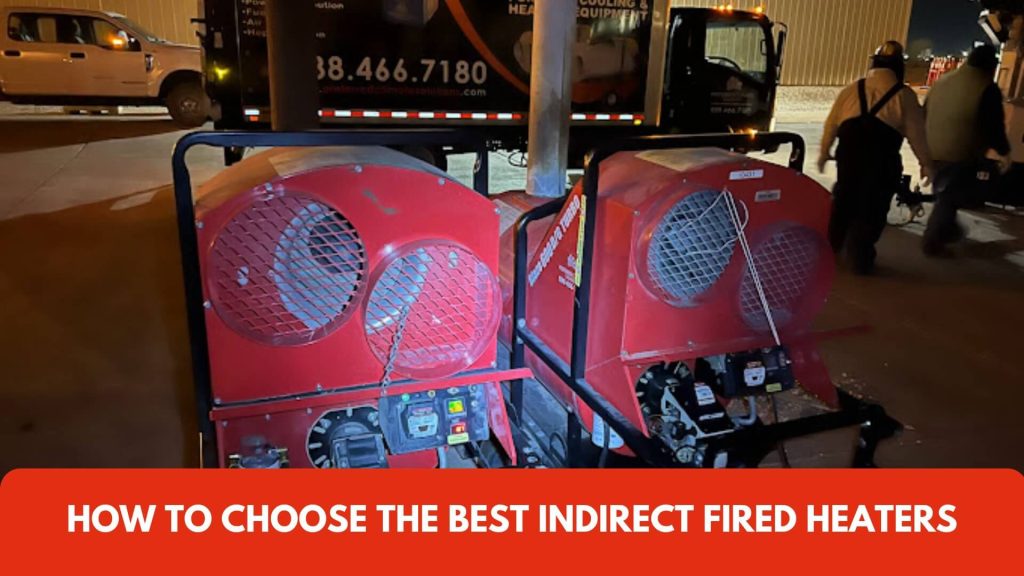
Portable Heat Pumps: These heaters stand out for their flexibility and ease of relocation, making them perfect for temporary or changing spaces like event venues or construction sites. Portable heat pumps are known for their energy efficiency and can provide consistent heating without the need for a permanent installation.

Salamander Electric Heaters: Salamander heaters are renowned for their rapid heating capabilities, making them ideal for quickly warming up spaces like workshops or garages. Their design focuses on delivering high heat output in a short time, which is particularly beneficial in colder climates or in situations requiring immediate warmth.

Ductable Heaters: These are versatile indirect fired heaters that can be connected to ductwork to distribute warm air throughout a larger space. They are especially useful in situations where heating needs to be targeted or spread over a wide area, such as in large warehouses, event tents, or during construction projects.

Trailer-Mounted Heaters: These are large, powerful indirect fired heaters that are mounted on trailers for easy transportation. They’re ideal for very large spaces or outdoor applications, such as in mining operations, disaster relief situations, or large-scale outdoor events. 

Key Factors in Choosing Indirect-Fired Heaters

Selecting the right indirect fired heater involves carefully considering several key factors to ensure you choose a heater that efficiently and effectively meets your specific needs.

Assess Capacity and Heating Power Requirements

Start by evaluating your specific needs in terms of capacity and power. The right size and power are essential for optimal performance. Avoid under or over-sizing to prevent inefficiencies or inadequate heating.

Fuel Efficiency and Cost-Effectiveness

Focus on fuel efficiency and overall cost-effectiveness. It’s essential to weigh the initial investment against long-term operational costs. Factors like fuel types and consumption rates significantly affect your budget and efficiency goals.

Versatility and Mobility

Consider the heater’s versatility and mobility, especially for temporary or rental needs. The ease of installation, transportation, and adaptability to various environments is crucial. This is particularly relevant for sites like construction areas or events requiring temporary heating solutions.

Environmental Impact and Eco-Friendly Options

Finally, think about the environmental impact of your heating choice. Opting for eco-friendly heaters that have lower emissions and energy-efficient designs is beneficial. Look for options that use renewable or less polluting fuel sources to minimize your carbon footprint.

Maintenance and Longevity of Indirect Fired Heaters

Consistent maintenance and routine inspections are pivotal for the smooth operation of indirect fired heaters. Regular checks should focus on components like the heat exchanger, fuel lines, and electrical connections. Neglecting them can lead to decreased efficiency, higher fuel costs, and potential safety risks. 

Essential maintenance routines often include cleaning, checking for blockages, ensuring proper ventilation, and closely monitoring the heater’s performance. 

  • Regular cleaning helps prevent the accumulation of dust and debris, which can hinder efficiency and safety. 
  • Inspecting for blockages ensures that air and fuel can flow freely, crucial for optimal operation. 
  • Adequate ventilation is essential not only for efficient operation but also for ensuring a safe environment for users.

Adhering to the manufacturer’s specific maintenance recommendations is vital. Each model may have unique requirements or guidelines that, when followed, extend the life of the heater and maintain its efficiency.

Buying vs. Renting: Which is Best?

When it comes to utilizing indirect fired heaters, purchasing them outright isn’t the only option. Indirect heater rental offers a flexible alternative.

The benefits of renting, such as with a temporary heater rental, include not having to worry about long-term maintenance or storage. Renting is also cost-effective as it allows users to pay only for the duration the heater is needed.

Renting also provides the opportunity to choose from a variety of models, such as portable heat pumps or salamander electric heaters, depending on the specific needs of the occasion. This flexibility is ideal for businesses or individuals who require heating solutions for different types of events or projects, without the burden of maintaining a fleet of heaters.

Final Thoughts

Indirect fired heaters offer many unique and valuable benefits in a wide variety of situations. Whether you decide to rent or buy, the first step in making an informed decision is understanding their basic functionality and purpose. 

When selecting an indirect fired heater, consider the fuel efficiency, power, type, and other factors listed above. Armed with your new knowledge, you’re ready to find the best indirect fired heater for your needs.

, , , , ,
Scroll to Top