
Author name: pcsadmin

HVAC System for Winter
Blog

As winter approaches, ensuring your HVAC system is ready becomes essential for maintaining a cozy indoor environment. Proper preparation enhances comfort and leads to significant cost savings and improved efficiency.

Regular maintenance can prevent unexpected breakdowns, reduce energy consumption, and extend the lifespan of your system.

At Preferred Climate Solutions, we specialize in providing heater rentals and portable heat pumps to support your winter heating needs. Our services are designed to offer flexible and reliable solutions, ensuring you stay warm throughout the season.

What is an HVAC System and How Does it Work?

An HVAC system, or Heating, Ventilation, and Air Conditioning system, keeps your home or workspace comfortable no matter the season. It is the all-in-one solution for heating in the winter, cooling in the summer, and keeping the air fresh year-round.

These systems are essential for maintaining a controlled indoor environment, whether it’s a cozy home or a busy office.

In winter, the heating component becomes the star player, ensuring your space remains warm and comfortable as the temperatures drop outside.

How Does It Work?

HVAC systems operate by combining three key functions:

  • Heating: A heating system, such as a furnace, boiler, or heat pump, generates warm air that is distributed throughout your space using ducts or vents. This ensures consistent warmth during colder months.
  • Ventilation: Ventilation introduces fresh air while removing stale indoor air, promoting a healthier environment. It helps maintain air quality even when windows and doors remain closed for long periods.
  • Air Conditioning (off during winter): While it focuses on cooling your space during summer, the air conditioning component typically stays idle in winter but remains ready for warmer months.

By integrating these three functions, an HVAC system ensures year-round comfort and efficiency.

Modern Heating Solutions

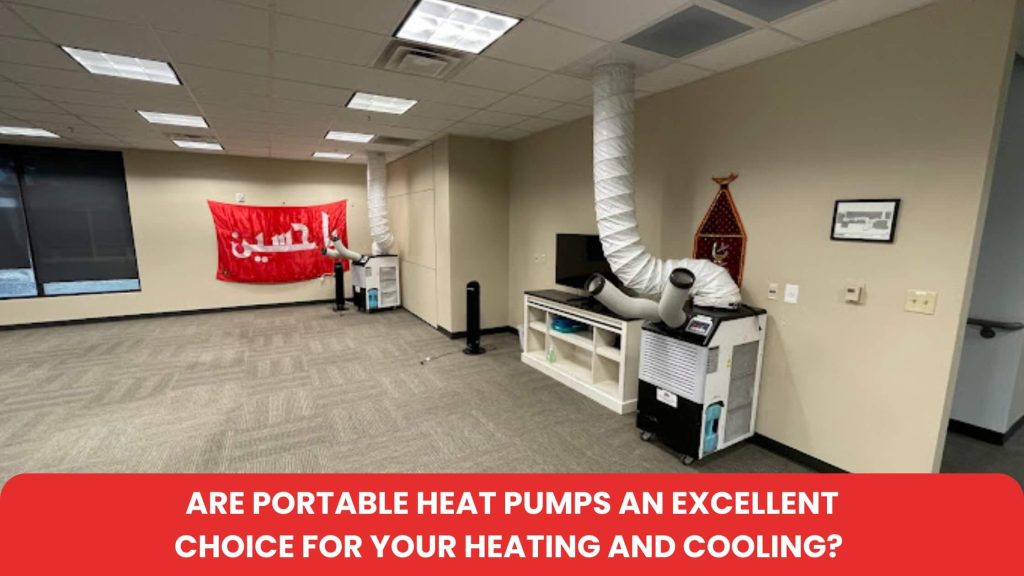
Portable heat pumps are a great example of how heating has become smarter and more adaptable. These efficient units can be rented to provide quick and flexible heating wherever you need it—at home, in the office, or even on a worksite.

Now that we’ve covered how an HVAC system works let’s talk about why getting it ready for winter is such a smart move.

Why is Winter HVAC Preparation Important?

Winter can be tough on HVAC systems, especially when they’re working overtime to keep your space warm. A little preparation can go a long way in keeping things running smoothly and avoiding major headaches during the cold months. Let’s break it down:

Avoid System Breakdowns

Nobody wants their heating to fail in the middle of a freezing winter night. Regular maintenance helps catch small issues before they become expensive repairs or complete system failures.

Think of it as giving your HVAC system a tune-up so it’s ready to handle the workload.

Improve Energy Efficiency

A well-maintained HVAC system uses less energy to heat your space.

Clean filters, sealed ducts, and optimized performance mean your system doesn’t have to work as hard, which translates to lower energy bills.

Enhance Indoor Comfort

Preparation ensures consistent and even heating throughout your space. At home or in a business setting, a properly functioning HVAC system creates a cozy environment where you don’t have to layer up indoors.

Getting ahead of potential issues now means enjoying a warm, worry-free winter.

How to Prepare Your HVAC System for Winter

Getting your HVAC system ready for winter is like prepping your car for a long road trip-you want everything in top shape to avoid unexpected issues. Here’s how to ensure your system runs smoothly all season:

Inspect and Clean the System

Regularly inspect and replace filters; consider professional duct cleaning to maintain efficiency.

  • Check Filters, Ducts, and Vents: Dirty filters and ducts can restrict airflow, making your system work harder.
  • Remove Debris and Dust Buildup: Clean around your HVAC units, including outdoor components, to prevent debris from causing damage or reducing efficiency.

Test Your Heating System

Learn about any issues your HVAC system might have now before the cold weather sets in. Going a night without heat before winter sets in will be less unpleasant than doing so on a chilly night.

  • Run a Test Cycle: While the system is running, listen for any unusual noises and check for consistent heat distribution throughout the home.
  • Address Unusual Sounds or Inefficient Heating: If you notice strange noises or uneven heating, it’s best to call a professional to diagnose and fix the problem before it escalates.

Schedule Professional Maintenance

Professionals’ years of experience offer many benefits. They can identify and fix issues that might not be apparent to the untrained eye. Your home insurance may also require a set schedule of professional maintenance.

  • Benefit of Expert Inspections and Tune-Ups: Regular maintenance by a certified HVAC technician can extend the lifespan of your system, improve efficiency, and prevent costly breakdowns.
  • Preferred Climate Solutions Services: Our team offers comprehensive maintenance services to keep your HVAC system in peak condition. We also provide heater rentals and portable heat pumps for additional support during the winter months.

Consider Temporary Heating Solutions

Sometimes, your current system just needs a bit of an assist.

  • Heater Rentals and Portable Heat Pumps: In case of emergencies or if your current system isn’t meeting your heating needs, renting a heater or portable heat pump can provide immediate relief.

Following these steps, you can keep your HVAC system running efficiently and avoid unnecessary headaches during winter.

But what happens if your primary system can’t keep up or you face an unexpected heating issue?

That’s where portable heating solutions, like electric heaters and heat pumps, come in handy. Let’s explore how these options can provide backup warmth when you need it most.

Portable Heating Solutions for Winter Emergencies

Sometimes, even with the best preparation, your HVAC system needs extra help. Portable heating solutions are an excellent backup for unexpected cold snaps, system malfunctions, or areas that need supplemental warmth. Here’s what you need to know:

Electric and Salamander Heater Rentals

Electric and salamander heaters are quick and convenient. They provide immediate warmth in small spaces, garages, or work areas. They’re easy to set up and start working immediately.

  • Versatile Applications: These heaters are a great choice for temporary heating in homes, offices, or even construction sites. Salamander heaters, particularly, are known for their robust performance in larger or more industrial settings.
  • Reliable Performance: These rentals offer dependable heat without complex installations, making them ideal for emergencies or temporary use.

Portable Heat Pumps

Energy efficient portable heat pumps provide heating and use less energy when compared to traditional heaters, saving you money while keeping you warm.

  • Flexibility: These units are suitable for various settings, including homes, offices, and outdoor events. They’re also designed for portability, so they can be moved where needed most.
  • Cost-Effective: Renting a portable heat pump allows you to access a high-performance heating solution without the upfront investment of purchasing one.

Pro Tips for Maintaining Your HVAC System in Winter

Keeping your HVAC system in good shape throughout the winter doesn’t have to be complicated.

Regular upkeep can go a long way in ensuring your home stays warm and cozy while keeping energy bills in check. Here are a few practical pro tips to keep everything running smoothly.

Change Air Filters Regularly

Check and replace your filters every 1-3 months, depending on usage and if you have pets or allergies.

A clean air filter is essential for smooth airflow and efficient system operation. Neglecting this simple step can make your system work harder and drive up energy costs. Keep a few spare filters handy, so you’re never caught off guard when it’s time to swap them out.

Seal Leaks and Insulate

Even the most efficient HVAC system can struggle to keep you warm if your home loses heat through leaks and poorly insulated areas. Lost heat means lost money.

Look for drafting windows, gaps around doors, or poorly insulated areas in your home that allow warm air to escape.

Adjust Thermostat Settings

Making small adjustments to your thermostat settings can help you stay comfortable without overworking your HVAC system.

Lowering your thermostat by a few degrees when you’re asleep or away can reduce energy usage significantly without sacrificing comfort.

If you haven’t already, consider upgrading to a smart thermostat with energy-saving features to automate temperature changes. Many local programs are available that can reduce the cost of smart thermostats for those willing to switch.

Keep Vents and Outdoor Units Clear

To prevent uneven heating inside the home, ensure that furniture, curtains, or rugs don’t block vents.

Watch for snow, ice, and debris that can accumulate around your outdoor unit, blocking airflow and potentially causing damage.

After snow falls, make it a habit to spend a couple of minutes brushing off any buildup around the unit and ensure at least two feet of clear space around it. Taking a few minutes to check can prevent major headaches.

Keep a Maintenance Schedule

Even with the best intentions, some issues can only be caught by a professional.

Scheduling annual maintenance is the best way to stay ahead of problems, and smart thermostats may offer a reminder feature so you never forget to make an appointment.

Technicians can clean components, check for wear and tear, and keep your system running at peak efficiency. If a problem starts, annual checks can catch it before it becomes more severe.

These small steps can make a big difference in how well your HVAC system handles the colder months. A little effort now can prevent unexpected issues down the road, leaving you with more time to enjoy the season in comfort.

When to Call a Professional

Even with regular maintenance and DIY efforts, some HVAC issues are best addressed by a professional. Knowing when to seek help can save you from costly repairs and keep your system ready to tackle winter’s demands.

  • Strange Noises: If you hear banging, rattling, or hissing sounds from your HVAC system, it’s time to call in an expert. These noises often signal mechanical issues that can worsen if left unaddressed.
  • Uneven Heating or No Heating at All: Cold spots in your home or inconsistent heating can indicate problems with ducts, vents, or the heating unit itself. A professional can quickly pinpoint and resolve the issue.
  • Unusual Energy Bills: A sudden spike in energy costs might mean your system is working harder than it should, possibly due to inefficiency or a malfunction.
  • Frequent Cycling: Does your system keep turning on and off? It could be struggling to maintain the desired temperature. This issue can strain the system and lead to higher utility bills.

At Preferred Climate Solutions, we understand the importance of having a reliable heating system during the winter.

Our team is here to help with maintenance, repairs, and even temporary heating solutions like heater rentals and portable heat pumps. Don’t wait until a small issue becomes a big problem; reach out for professional assistance when needed.

Don’t let the cold catch you off guard—take action today and enjoy a stress-free, cozy winter.

Conclusion

Preparing your HVAC system for winter doesn’t just ensure a warm and comfortable home—it also saves energy, reduces costs, and extends the life of your system.

From changing filters and sealing leaks to scheduling maintenance and investing in portable heating solutions, every small step contributes to better performance and peace of mind.

If you encounter any challenges or need extra support, Preferred Climate Solutions is here to help.

Contact Preferred Climate Solutions now to learn more about our services and how we can assist with your HVAC needs!

Frequently Asked Questions

Here are some frequently asked questions about preparing your HVAC system for winter.

What are the four main types of HVAC systems?

The four main types of HVAC systems are split, hybrid, ductless, and packaged.

Split systems feature separate indoor and outdoor units. Hybrid systems combine electric and gas heating for efficiency. Ductless systems heat and cool without ducts, while packaged systems include all components in one unit.

Which components in an HVAC system typically need the most attention?

Air filters, coils, and ducts require the most attention. Filters should be replaced monthly, coils need cleaning to maintain efficiency, and ducts should be inspected for leaks or blockages to ensure proper airflow.

What is the difference between AC and HVAC?

AC only cools indoor spaces, while HVAC handles heating, ventilation, and cooling, providing year-round climate control.
, , ,
why water-cooled air conditioner rentals are ideal
Blog

When planning an event, creating a comfortable atmosphere is crucial to ensuring the success of the occasion. Whether it’s a corporate seminar, a wedding, or a music festival, temperature control plays a pivotal role in guest satisfaction, equipment protection, and overall event quality.

Poor climate management can lead to overheating, discomfort, or even costly damage to sensitive electronics and decor.

Water-cooled air conditioners provide an effective solution for event organizers, combining efficiency, portability, and adaptability for venues of all sizes. Designed to handle the demands of temporary setups, these systems excel where conventional cooling methods might fall short.

In this article, we’ll explore 11 compelling reasons why renting a water-cooled air conditioner is ideal for your next event, supported by real-world data, research insights, and actionable tips.

What Are Water-Cooled Air Conditioners?

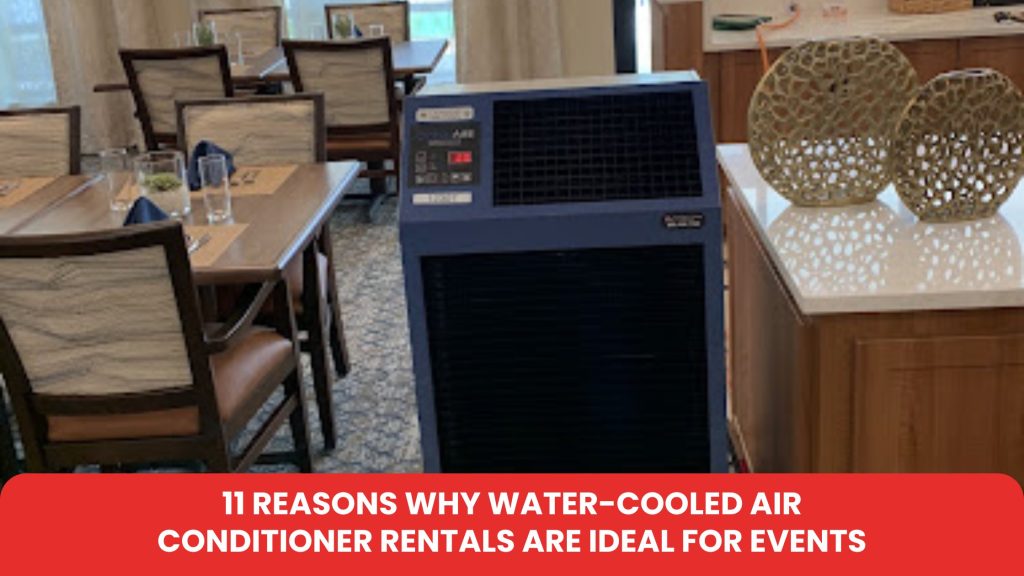
Water-cooled air conditioners are highly efficient cooling systems that use water as part of the heat exchange process. Unlike air-cooled systems, which rely on fans to dissipate heat, water-cooled units transfer heat through a water circuit, enabling more effective cooling in high-demand scenarios.

This design boosts performance and reduces energy consumption, making these units a preferred choice for events requiring consistent temperature control.

How Water-Cooled Systems Work

At their core, water-cooled air conditioners circulate water to absorb and remove heat from the system. The water flows through a closed loop, absorbing heat from the event space before releasing it into an external cooling tower or similar outlet. This process allows for faster and more efficient heat exchange than traditional air-cooled methods.

Why They Are Ideal for Temporary Use

Water-cooled air conditioners are purpose-built to handle the unique demands of temporary installations. Their portability makes them easy to transport and set up at event venues, while their high cooling capacity ensures they can handle large crowds or extensive equipment setups.

Additionally, they integrate seamlessly with existing HVAC systems, providing supplemental cooling for spaces that need a performance boost.

11 Reasons Why Water-Cooled Air Conditioner Rentals Are Ideal for Events

Whether you’re organizing a corporate conference or an outdoor festival, water-cooled air conditioner rentals offer unique advantages over permanent systems or other temporary cooling solutions.

Let’s look at the 11 reasons these systems are the best choice for event cooling.

1. Superior Cooling Efficiency

Water-cooled air conditioners are known for their exceptional cooling capabilities, making them a top choice for event organizers. Unlike air-cooled systems, which rely solely on air circulation, these units use water as part of the cooling process. This allows for more efficient heat dissipation and a quicker cooldown of large spaces.

According to industry research, water-cooled systems are up to 30% more energy-efficient than their air-cooled counterparts, especially in high-capacity applications. For events with large crowds or sensitive equipment, this efficiency ensures that temperatures remain consistent without overloading power supplies.

For instance, a 10,000-square-foot convention space with 500 attendees requires approximately 35 tons of cooling capacity, and water-cooled units can deliver this with lower energy consumption and reduced operational costs.

2. Quiet Operation

Noise pollution can detract from an event’s success, particularly for corporate gatherings, weddings, or performances where ambient sound plays a key role. Water-cooled air conditioners operate much more quietly than traditional air-cooled systems because they use water rather than large, noisy fans for heat exchange.

This quiet operation makes them ideal for events that prioritize a tranquil atmosphere, such as panel discussions, networking events, or formal receptions. Attendees can focus on the program or enjoy conversations without being disrupted by loud mechanical noise.

3. Adaptability to Any Venue

Whether you’re hosting an event indoors or outdoors, water-cooled air conditioners can adapt to various environments. Their flexibility allows them to cool small enclosed spaces like meeting rooms or expansive outdoor areas like festival tents.

These systems also perform well in unconventional venues, such as historic buildings where permanent HVAC installations may not be feasible. Their adaptability ensures that event organizers maintain comfortable temperatures regardless of the location or layout.

For example, a 50×100-foot outdoor wedding tent might require temporary cooling to keep guests comfortable. Water-cooled units can provide the necessary cooling without interfering with the aesthetic or layout of the venue.

4. Compact Design and Portability

Event organizers often face space constraints, whether the event is in a packed exhibit hall or a bustling outdoor festival. Water-cooled air conditioners address this challenge with their compact and portable designs. These systems take up less space than many traditional HVAC options, making them easy to transport and install.

Rental providers often offer units on wheeled bases, simplifying maneuvering through narrow corridors or crowded setups. Their small footprint ensures that event planners can position them discreetly without disrupting the flow or appearance of the event.

5. Scalable Solutions for Events of Any Size

From small private gatherings to large-scale conventions, water-cooled air conditioners can be scaled to meet the specific cooling needs of any event. Rental providers typically offer a range of unit sizes, allowing organizers to select equipment tailored to their event size and duration.

For instance, a single 5-ton unit may suffice for a small corporate meeting, while a series of 25-ton units might be necessary to cool an expansive trade show floor. This scalability ensures you only pay for the necessary cooling capacity, making water-cooled rentals cost-effective.

6. Environmentally Friendly Option

Water-cooled air conditioners are an excellent choice for event organizers who prioritize sustainability. These systems use natural and abundant water to dissipate heat more effectively than air-cooled units.

As a result, they consume less energy, directly reducing carbon emissions associated with electricity use. Many models are designed with eco-conscious features, such as energy-efficient components and lower refrigerant usage, further decreasing their environmental impact.

Event planners can contribute to a greener future by choosing these units while maintaining superior climate control.

7. Cost-Effective Rental Solutions

Rental options for water-cooled air conditioners are often more affordable than permanent cooling systems or other temporary solutions. These units are highly efficient, meaning lower operational costs, especially for long events or those held in larger venues.

Rental providers typically offer flexible pricing plans tailored to the event’s duration and specific cooling needs, allowing organizers to avoid unnecessary expenses. Renting also eliminates maintenance costs, as the package usually includes professional support.

8. Reliable in Extreme Heat

Handling extreme heat conditions is a specialty of water-cooled air conditioners. These units are designed to perform exceptionally well even in high-temperature environments, ensuring consistent cooling throughout the event.

Reliability becomes especially important for outdoor gatherings during summer or in regions prone to heat waves. By maintaining stable temperatures, water-cooled systems help protect guests’ comfort and ensure that sensitive equipment, such as audiovisual systems and lighting setups, remains functional.

9. Versatile Applications Across Events

Water-cooled air conditioners are highly adaptable, making them suitable for a wide variety of events and settings. Whether it’s a corporate conference in a convention center, an outdoor music festival, or an elegant wedding reception, these units deliver reliable cooling tailored to the venue’s needs.

Their flexibility doesn’t stop at cooling alone. When paired with portable heating equipment, water-cooled air conditioners can support multi-seasonal events, ensuring comfort in both summer and winter. This adaptability provides event organizers with a dependable, all-in-one solution for managing temperature control year-round.

10. Professional Installation and Support

Event organizers benefit from the expertise provided by rental companies, which often includes comprehensive installation services. Trained technicians ensure that water-cooled air conditioners are set up correctly and optimized for the venue’s layout, eliminating guesswork and reducing the risk of operational issues.

On-site technical support, frequently included in rental agreements, adds another layer of reliability. Should any challenges arise during the event, technicians are available to troubleshoot and resolve issues promptly. With these services in place, organizers can focus on delivering a seamless experience for attendees without worrying about the cooling system.

11. Complementary Equipment for Complete Solutions

Water-cooled air conditioners can be paired with additional equipment to create a comprehensive climate control solution. For instance, air scrubbers can improve indoor air quality, while heater rentals ensure warmth in cooler weather.

Many rental providers offer packages combining these options, giving event organizers access to the tools needed to effectively manage temperature, humidity, and air purity. This holistic approach enhances guest comfort and ensures the event runs smoothly regardless of environmental conditions.

How to Choose the Best HVAC System for Your Event

Selecting the right HVAC system for your event involves carefully assessing the venue, event type, and specific climate needs. Water-cooled air conditioners are a top choice, but understanding when and how to use them can make a significant difference in achieving optimal comfort and efficiency.

Assess the Venue’s Requirements

The size, layout, and expected heat load of the venue are critical factors when deciding on an HVAC system. A small indoor event with minimal equipment will require less cooling power than a large outdoor festival.

Start by calculating the venue’s square footage and identifying areas that may need targeted cooling, such as stages, dining zones, or equipment hubs. Venues with poor insulation or significant exposure to sunlight may need additional cooling capacity. A professional HVAC provider can help evaluate these factors and recommend an appropriate system size.

Understand the Advantages of Water-Cooled Air Conditioners

Water-cooled air conditioners excel in scenarios where high-capacity cooling is required. Their energy efficiency and quiet operation make them ideal for events that demand both power and subtlety. For example, corporate conferences benefit from the reduced noise, while outdoor events gain from the units’ ability to handle extreme temperatures.

Event organizers should also consider the environmental advantages. Choosing water-cooled systems demonstrates a commitment to sustainability, which can be an appealing factor for eco-conscious attendees or clients.

Work with Experts to Select the Right HVAC System

Consulting with HVAC professionals ensures that you choose a system tailored to your event’s needs. Rental companies often offer site evaluations to assess the venue and recommend suitable equipment. These evaluations include determining the number and placement of air conditioners for maximum coverage.

Experts can also advise on integrating water-cooled air conditioners with additional equipment, such as air scrubbers, to maintain air quality or heater rentals for temperature fluctuations. Relying on professional guidance eliminates guesswork, helping organizers focus on other event details with confidence.

Tips for Making the Most of Water-Cooled Air Conditioner Rentals

AC rentals are only the first step toward creating a comfortable event environment. Proper planning, collaboration with rental providers, and strategic use of the equipment ensure you get the most out of your investment.

Use these practical tips to get the most out of your rental and keep your event running seamlessly:

  • Plan Ahead for Availability and Customization: Rental demand for HVAC systems often spikes during summer or major event periods. Securing your equipment early ensures availability and gives you time to customize the setup to suit your event’s unique needs.
  • Coordinate Delivery and Setup with Professionals: Collaborating with the rental company for delivery and setup can save significant time and effort. Professionals ensure that the equipment is installed correctly, test the system in advance, and verify that the cooling performance meets the requirements of the venue.
  • Combine Cooling with Other Equipment: Water-cooled air conditioners with portable heating and air scrubbers enhance indoor air quality, creating a fresher environment for guests. Heaters ensure comfort during cooler weather. Bundling equipment often saves costs and simplifies coordination with a single rental provider.
  • Monitor Usage to Optimize Performance: Keeping an eye on the system’s operation during the event can help avoid issues and maintain efficiency. Assign a team member or work with the rental company to monitor temperature settings, water levels, and power supply.
  • Have a Contingency Plan in Place: Even with professional installation and high-quality equipment, unexpected challenges can arise. Prepare a backup plan with your rental provider to address potential issues. Many companies offer on-call technicians who can quickly resolve problems.

Conclusion

Water-cooled air conditioner rentals provide a reliable, efficient, and eco-friendly way to control temperature at any event. From superior cooling power to their versatile applications, these units are ideal for creating a comfortable environment for guests.

Preferred Climate Solutions offers a wide range of portable cooling and heating equipment to suit events of any size. Contact us today or call toll-free: 844-738-5316 for the perfect climate control solution for your next event.


, ,
hvac system
Blog

The right HVAC system makes a big impact on your home’s comfort, energy costs, and air quality. From central units to portable solutions, finding the right fit requires a close look at your needs. This guide covers key factors you should know to help you make an informed, cost-effective decision.

Assessing Your Home’s Requirements

Begin by noting down the unique needs of your home. Climate, home size, and layout play key roles in determining which system to keep your space comfortable year-round without wasting energy or overspending.

Climate and Weather Conditions

What is your local climate? Invest in cooling systems with higher capacities in warm or tropical regions, as they must handle sustained high temperatures.

Reliable and efficient heating systems take priority in colder climates. A system optimized for your weather ensures comfortable temperatures without overworking the equipment.

In areas with summer and winter, look for a versatile HVAC setup, like as a heat pump that can adapt to different temperature requirements.

Home Size and Layout

The size and layout of your home affect which HVAC system will work best.

Larger homes need a system that can cover a bigger area. A central HVAC system can maintain consistent temperatures across multiple rooms in these cases.

However, oversized units often lead to short cycling, where the system frequently turns on and off, reducing efficiency and increasing energy costs. Proper sizing will produce optimal performance and cost savings.

For smaller homes or apartments, compact or ductless systems, like mini-splits, can provide adequate heating and cooling without taking up much space. With a mini-split, you can control each room independently, allowing targeted cooling or heating without impacting other areas.

Types of HVAC Systems: Pros and Cons

Choosing the right HVAC system involves understanding the available options and how they match your home’s needs.

Each type of system comes with its own set of benefits and potential limitations, so weighing these factors helps make an informed decision.

Central HVAC Systems

Central HVAC systems are popular for homes with existing ductwork or when the goal is to control the temperature across a large area. Using a central unit connected to ductwork, it distributes air to each room, offering a balanced and consistent temperature throughout the home.

Pros:

  • Central systems provide even temperature distribution, ideal for larger homes or those with open floor plans.
  • High energy efficiency with modern units can lead to lower long-term utility costs.
  • Quiet operation, as the main unit is typically placed outside or in an insulated area.

Cons:

  • Higher initial installation costs, especially if ductwork needs to be added or updated.
  • Potential for energy loss through ductwork, especially if ducts are poorly insulated or improperly sealed.
  • Less flexibility for zoned heating and cooling, as the entire house is typically maintained at the same temperature.

Ductless Mini-Split Systems

Ductless mini-split systems are versatile, compact, and ideal for homes without existing ductwork or those who want to avoid the energy loss associated with ducts. In small homes and multi-zone setups, these systems allow each area to be controlled independently.

Pros:

  • Energy-efficient and versatile, making them ideal for homes of all sizes, especially those without ductwork.
  • Flexible for zoning, as each unit can be controlled separately, providing individualized comfort for each room.
  • Quick and cost-effective installation without the need for invasive ductwork.

Cons:

  • Higher upfront costs per unit can add up if several units are needed.
  • Visible wall-mounted units may not blend seamlessly with home decor.
  • May struggle to provide enough heating in very cold climates, as mini-splits are generally designed for mild to moderate weather.

Heat Pumps

Heat pumps are an energy-efficient choice, especially in regions with moderate climates. These systems work by transferring heat from outside to inside during the winter and reversing the process in the summer, providing both heating and cooling.

Pros:

  • Energy-efficient operation since they transfer heat rather than generating it, leading to lower energy bills.
  • Suited for mild climates, they can efficiently provide heating and cooling without requiring separate systems.
  • Environmentally friendly, with low greenhouse gas emissions compared to traditional HVAC systems.

Cons:

  • Decreased efficiency in extremely cold temperatures may require a backup heating source.
  • Higher initial investment, though the long-term energy savings, can offset this cost over time.
  • Performance can vary based on outdoor temperatures, potentially impacting comfort during extreme weather.

Portable Cooling and Heating Equipment

Portable heating and cooling equipment can be an effective option for those with short-term needs or smaller spaces. Portable units are available for both cooling (like portable air conditioners) and heating (such as space heaters or portable furnaces), and they’re ideal for temporary or supplemental climate control.

Pros:

  • Cost-effective solution for temporary needs, such as during home renovations or for short-term rental properties.
  • Flexibility to move the unit between rooms or to adjust the location as needed.
  • No permanent installation is required, making them ideal for renters or limited use.

Cons:

  • Limited coverage area, so they work best for single rooms rather than entire homes.
  • Generally less energy efficient than permanent HVAC systems, leading to higher operating costs over time.
  • Portable units can be noisy and take up floor space, which can be inconvenient in smaller rooms.

Renting portable HVAC equipment can be a practical choice if you only need it temporarily or in a specific situation.

Preferred Climate Solutions offers various rental options, including AC rentals and heater rentals, which provide flexibility and affordability without the commitment of a full system purchase. Their portable equipment applications cover diverse requirements, making adapting the equipment to specific events or short-term needs easy.

Each HVAC option has distinct features that suit different home layouts, climate needs, and budgets. Consider these pros and cons when you’re selecting the system that offers the best balance of efficiency, comfort, and cost for their unique situations.

Choosing Energy-Efficient Options

Energy efficiency has become a very important aspect of an HVAC system. Efficient systems reduce utility costs, lessen environmental impact, and maintain comfort with less energy. Energy ratings and features can help you narrow the choices.

Importance of Energy Efficiency

An efficient HVAC system requires less energy to heat or cool a home, lowering monthly energy bills. Energy efficiency ratings provide a standardized way to compare systems:

  • AFUE (Annual Fuel Utilization Efficiency): Applied to furnaces, this rating reflects how effectively a furnace converts fuel to heat. A higher AFUE percentage means less fuel waste.

Compared to less efficient models, a system with high SEER, AFUE, or HSPF ratings can save hundreds of dollars annually on energy bills. Choose a system with ratings that meet the needs of your climate and home size, as well as any energy-saving goals you may have.

Seasonal Recommendations

Portable cooling and heating equipment rentals can offer a practical and energy-efficient solution without the long-term commitment.

  • Summer: In hot climates, a temporary air conditioner rental can cool specific rooms or zones without increasing energy use throughout the house.
  • Winter: Heater rentals provide warmth without requiring a new installation or overworking a central HVAC system. This is useful for temporary housing, seasonal spaces, or home renovations.

Energy-Efficient Equipment Features

When choosing an HVAC system, look for features that contribute to long-term efficiency.

  • Programmable Thermostats: These allow homeowners to adjust temperatures based on daily schedules, ensuring the system isn’t running unnecessarily when no one is home.
  • Zoning Options: Systems with zoning allow you to set different temperatures for different areas in the home, reducing energy waste in unused spaces.
  • Variable-Speed Motors: These motors adjust speed based on demand, using less energy when full power isn’t needed and providing a more consistent temperature.

Modern HVAC systems often integrate these features to create energy-efficient environments. Choosing a system with these options can significantly impact long-term savings and reduce environmental impact.

Benefits of Energy Efficiency for the Environment and Budget

In addition to cost savings, efficient systems contribute to a reduced environmental footprint by consuming less energy. Over time, this reduction can have a meaningful impact on overall emissions, especially in homes that rely heavily on HVAC systems year-round.

Air Scrubbers and Indoor Air Quality

Air scrubbers improve indoor air quality by reducing contaminants such as dust, allergens, mold spores, and other pollutants. These systems use advanced filtration and air purification technology like UV light to neutralize airborne particles and improve air circulation, making them beneficial for allergies, asthma, or sensitivities to indoor air pollutants.

Humidifiers and Dehumidifiers

Managing indoor humidity levels can impact the efficiency of an HVAC system. Proper humidity levels help prevent dry skin, respiratory discomfort, mold growth, and damage to wood and furnishings. Generally, indoor humidity should be maintained between 30% and 50% for optimal comfort and health.

Humidifiers add moisture to the air, helping alleviate dry skin, sore throats, and respiratory issues while reducing static electricity.

Dehumidifiers help control excess moisture, which can lead to mold growth, musty odors, and damage to walls or furniture. By reducing humidity, dehumidifiers create a more comfortable indoor environment and relieve some strain on the air conditioner, improving overall energy efficiency.

Cost Considerations and Financing Options

Investing in the best HVAC system involves upfront costs, installation fees, and ongoing maintenance, which can vary depending on the system’s size, type, and features. Evaluating the short-term and long-term financial impacts helps ensure a cost-effective choice that suits your budget and needs.

Installation Costs and Long-Term Savings

HVAC installation costs vary widely based on the system’s complexity and whether additional components, such as ductwork, air scrubbers, or humidifiers, are needed. Central HVAC systems with extensive ductwork typically cost more upfront than ductless mini-splits, though they may offer greater efficiency for larger homes.

Here’s a breakdown of costs to consider:

  • System Size: Larger systems cost more initially but are necessary for homes with greater square footage.
  • Energy-Efficient Models: Energy-efficient models might come with a higher initial cost but can lead to significant savings on utility bills. Often, the initial investment can be recouped over a few years.

Investing in energy-efficient equipment and ensuring proper installation can lower long-term costs. Over time, the system’s reduced energy consumption adds up, making it a financially sound decision for your budget and your home’s value.

Maintenance and Service

Scheduling annual or biannual maintenance—especially at the start of the heating and cooling seasons—helps prevent costly repairs and ensures optimal performance. Typical maintenance costs include filter replacements, system cleanings, and routine inspections, which can identify minor issues before they escalate into expensive repairs.

Neglecting regular maintenance can lead to problems such as clogged filters, which reduce airflow, or refrigerant leaks, which impact cooling performance.

Financing and Rebates

Financing options make investing in a quality HVAC system easier without straining your budget. Many HVAC providers offer financing plans that allow homeowners to spread payments over several months or years, making the initial investment more manageable.

Preferred Climate Solutions can guide customers through available financing options, making choosing a high-efficiency system within budget easier.

Rebates and incentives may also be available for energy-efficient systems, particularly those with high SEER or AFUE ratings. Many utility companies and government programs offer rebates for energy-saving home improvements. These rebates can offset some of the installation costs, making high-efficiency systems even more affordable.

Renting vs. Buying HVAC Equipment

Deciding between renting and buying HVAC equipment depends on factors like budget, duration of use, and specific needs. Each option has benefits, so considering your situation and goals will help you make the best choice.

When to Rent

Renting HVAC equipment works well for short-term needs or when full ownership isn’t necessary, such as home renovations or seasonal use. Renting a portable AC or heater offers a quick and affordable solution. Renting can also be far less costly than buying for short-term or occasional use, particularly for spaces that don’t need continuous heating or cooling.

Conclusion

Choosing the right HVAC system involves understanding your home’s needs, from climate and size to budget and comfort preferences. Each system type—central, ductless, heat pump, or portable—offers distinct advantages, and adding components like air scrubbers or humidifiers can enhance air quality and comfort.

Weighing installation and maintenance costs, as well as financing options, ensures long-term value and efficiency. Renting versus buying also provides flexibility for different situations, allowing for cost-effective solutions that meet temporary and permanent needs.

Contact Preferred Climate Solutions to help you find the ideal HVAC setup for lasting comfort and savings.

, , , , , , ,
Spot Cooler Rentals
Blog

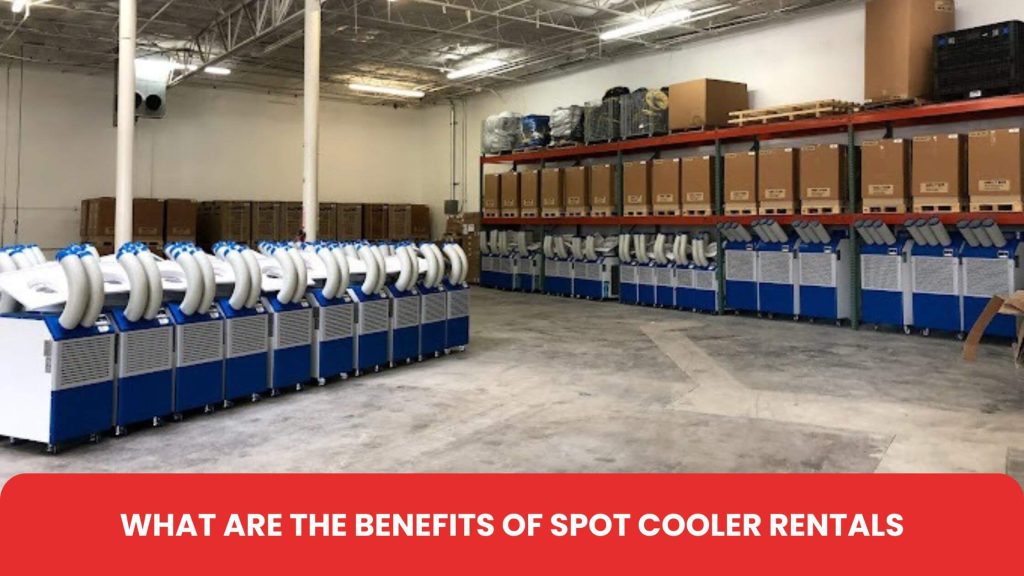
Spot cooler rentals provide portable air conditioning solutions, ideal for managing temperatures in specific areas without the need for permanent installation. These units are versatile and support various industries, including event management, data centers, and healthcare facilities, where maintaining precise temperature control is critical.

Spot coolers stand out due to their mobility, allowing users to target specific spots for cooling. This adaptability is essential in scenarios where traditional air conditioning systems fall short due to design limitations or when additional temporary cooling is necessary. They are a strategic choice for many businesses.

Top Benefits of Spot Cooler Rentals

Spot cooler rentals provide significant advantages across various scenarios, from enhancing workspace comfort to ensuring equipment safety in heat-sensitive environments.

Flexibility and Convenience

Spot coolers stand out for their flexibility, easily adapting to different settings and needs. Businesses can deploy these units quickly in areas experiencing sudden temperature spikes or in rooms where central HVAC systems can’t reach.

This adaptability is crucial during events held in large, open spaces like warehouses or tents, where traditional cooling might not be practical. Renting a spot cooler provides the flexibility of targeted cooling during specific periods. This approach ensures comfort without committing to permanent installations and associated costs.

Cost-Effectiveness

When comparing the financial implications of purchasing versus renting spot coolers, the latter is often the more economical option, particularly for short-term use. Buying a spot cooler involves a significant initial investment, potential repair costs, and storage concerns when not in use.

Renting eliminates these concerns, as the fee generally covers maintenance, and the unit is only on the premises when needed. For example, a business might spend approximately $150 daily to rent a spot cooler, compared to the upfront purchase price that could exceed $2,000, not including ongoing maintenance.

Emergency Preparedness

The 24/7 availability of spot cooler rentals is invaluable for emergency preparedness. It provides businesses with a rapid cooling solution when standard systems fail or unforeseen heat increases threaten operations.

Rental services are equipped to deliver and install coolers swiftly, ensuring minimal downtime. This is especially critical in environments like hospitals or data centers, where consistent temperatures are crucial for safety and operational integrity.

Scalability

Spot coolers provide precise control over indoor environments, vital for applications such as server rooms and laboratories where specific humidity and temperature levels are required.

These spot coolers for manufacturing facilities allow them to achieve these conditions efficiently, with models featuring programmable thermostats and variable-speed fans. This control helps maintain optimal conditions, thus ensuring the integrity of products, experiments, or digital data.

Enhanced Air Quality

Spot coolers regulate temperature and can improve air quality. These units often have filters that reduce airborne contaminants such as dust, allergens, and odors. This feature is essential for maintaining a healthy environment in enclosed spaces, where air quality can significantly impact comfort and health.

Improved air quality is particularly beneficial in industries such as healthcare, where clean air is crucial for patient care, and in commercial settings and restaurants, where it enhances the comfort and well-being of occupants.

Spot Cooler Features That Enhance Business Operations

Spot cooler rentals not only provide cooling solutions but also come equipped with specific features that enhance business operations in various ways. Understanding these features helps businesses optimize their use of spot coolers.

Energy Efficiency

Spot coolers are generally engineered to be energy-efficient. This feature is especially important for businesses looking to reduce their energy consumption and lower their utility bills.

Energy-efficient cooling units use less electricity to achieve the same cooling effect as less efficient models, saving money and supporting corporate sustainability initiatives. In cities like Dallas and Austin, where energy use in commercial settings can be high, energy-efficient spot coolers can lead to significant cost savings.

Dehumidification Capabilities

Many spot coolers include built-in dehumidifiers that help control the humidity levels within a space. This feature is crucial in regions with high humidity or environments where excess moisture could damage products or interfere with operational processes.

By maintaining appropriate humidity levels, businesses can prevent the growth of mold and mildew, protect electronic equipment from moisture damage, and ensure a comfortable environment for employees and customers.

Quiet Operation

Many spot cooler models are engineered to operate quietly, which is essential for environments such as offices, hospitals, and schools where noise could be a disturbance.

This feature allows the coolers to run continuously without disrupting the workflow or comfort of those present. Quiet operation is conducive to maintaining a peaceful environment and reflects the sophistication of the technology used in these modern cooling units.

Types of Spot Cooler Rentals

Understanding the different types of spot coolers available can help you select the right solution for your specific cooling needs. Each type offers unique features and advantages suited to various environments and applications.

Portable Air Coolers

These are the most versatile and commonly used spot coolers. Lightweight and mobile, they can easily be moved wherever cooling is needed. Portable air coolers are ideal for offices, small businesses, and residential spaces, providing immediate relief from heat without permanent installation.

Industrial Spot Coolers

Built to handle large volumes and harsh conditions, industrial spot coolers are perfect for maintaining comfortable temperatures in warehouses, factories, and big event spaces. They have higher cooling capacities and rugged designs to withstand industrial environments.

Evaporative Coolers

Operating on the principle of water evaporation, these coolers are best suited for dry climates. They are highly efficient in outdoor settings or large open spaces, such as automotive shops, workshops, or garages, where traditional cooling methods might be ineffective or too costly.

How Spot Cooler Work

Spot coolers draw in warm air from the environment, cool it through a refrigeration cycle, and then expel the chilled air back into the space. This process reduces the temperature and improves air quality by filtering out particulates.

Installing a spot cooler is straightforward:

  1. Positioning: Position the unit strategically where cooling is most needed. Ensure it is near a power source and has space for exhaust if necessary.
  2. Setup: Connect any necessary ducts for exhaust or intake. If your model utilizes evaporation technology, a water source may be required.
  3. Operation: Turn on the unit and adjust the settings for optimal cooling. Most units are plug-and-play, so they are ready to use almost immediately after setup.

Choosing the Right Spot Cooler Rental for Your Needs

Selecting the right spot cooler rental is crucial to ensuring effective and efficient cooling. Determining the best spot cooler means understanding what specific requirements will allow your business to reap maximum benefits from its rental.

Assessing Your Space Requirements

The first step in choosing the right spot cooler is accurately assessing the space where the unit will be used. Consider the size of the area, the typical heat load generated by equipment, and the number of people usually present.

Larger spaces with higher heat loads will require coolers with greater cooling capacity, typically measured in British Thermal Units (BTUs). A general rule of thumb is to allocate about 20 BTUs for every square foot of space. However, this number may need to be adjusted upward for areas with high equipment density or significant human activity.

It’s also important to consider the space’s layout. Spot coolers work most efficiently in open areas where air can circulate freely. If the area is divided by partitions or has multiple small rooms, multiple smaller units might be more effective than a single large unit.

Questions to Ask Rental Providers

When contacting rental providers, it’s essential to ask the right questions to ensure you get a suitable spot cooler that meets your needs. Here are some critical questions to include:

  • What models and sizes are available? Ask about the range of spot coolers they offer. Understanding the options helps match the unit’s capacity and features to your specific cooling requirements.
  • Can you provide a cooling assessment for my space? Some providers offer assessments to determine the most effective cooling strategy. This service ensures you rent a unit suited to your space’s dimensions and challenges.
  • What are the installation requirements? Inquire about what is needed for installation to prepare your site appropriately. Some units might need special electrical considerations or have specific venting requirements that could affect where they can be placed.
  • What is included in the rental price? Confirm what the rental fee covers, such as delivery, setup, maintenance, and removal. Knowing these details helps avoid unexpected costs during the rental period.
  • How are emergencies handled? It’s important to know how the provider handles unexpected issues, such as a malfunctioning unit. Check if they offer 24/7 support and how quickly they can deliver a replacement cooler.
  • What are the terms of the rental agreement? Understanding the rental terms, including the duration, fee structure, and cancellation policies, is crucial. This ensures clarity and avoids potential disputes.
  • Do you offer environmentally friendly options? For businesses committed to sustainability, asking about energy-efficient models available for rent is vital. These units can reduce your carbon footprint while still providing effective cooling.

How to Maximize the Benefits of Your Spot Cooler Rental

Implement strategies that ensure efficient operation and optimal performance to leverage the advantages of spot cooler rentals fully.

Optimal Placement

Placing your spot cooler strategically within your space is critical for maximizing its efficiency. Ensure the unit is positioned to distribute air evenly throughout the room without obstruction.

Avoid placing spot coolers near heat sources like direct sunlight or equipment that emits heat. Additionally, ensure the cooler is located in a spot that allows for unimpeded airflow; this might involve elevating the unit or using fans to help circulate the cool air more effectively.

Regular Maintenance Checks

To keep your spot cooler running smoothly, perform regular maintenance checks. These checks include cleaning or replacing filters, checking for any signs of leaks or damage, and ensuring that the exhaust hoses are not kinked or obstructed.

Regular maintenance extends the rental’s life and ensures it operates at peak efficiency, providing consistent cooling without unexpected breakdowns.

Use Programmable Features

Take advantage of the programmable features that many spot coolers offer. Setting the unit to operate during the hottest parts of the day or programming it to shut off during cooler periods can significantly reduce energy consumption while maintaining a comfortable environment.

Utilizing these features for businesses that operate around the clock, like those needing 24/7 spot cooler rentals, can help manage costs and energy usage effectively.

Combine with Other Cooling Strategies

This can include using blinds or curtains to block out sunlight during the hottest part of the day, sealing gaps around doors and windows to prevent cool air from escaping, and installing ceiling fans to help distribute the cool air more evenly. These combined efforts can significantly boost the effectiveness of your spot cooler rental.

Educate Your Team

Ensure everyone in your workspace understands how to use the spot cooler correctly. Educating your team about the proper operation and best practices for maintaining the unit can prevent misuse and minimize the risk of damage.

Additionally, informed employees can help identify potential issues early, allowing for timely adjustments that prevent downtime and maximize cooling efficiency.

Evaluate the Performance

Evaluate your spot cooler’s performance regularly to ensure it meets your cooling needs. This might involve monitoring indoor temperatures, assessing employee comfort levels, and reviewing energy consumption patterns.

Feedback from these evaluations can guide necessary adjustments, such as repositioning the unit, changing the settings, or even considering a different model or additional units to suit your needs better.

Conclusion

Spot cooler rentals offer flexibility, cost-effectiveness, and emergency preparedness, enhancing business operations with ease. These rentals provide strategic advantages. You can maintain optimal conditions by assessing your specific needs and utilizing spot coolers strategically.

If you’re considering a cooling solution that aligns with your operational demands, visit Preferred Climate Solutions. Explore our range of spot cooler rentals available 24/7, and discover how we can help keep your environment comfortable and productive. Don’t let the heat disrupt your business—let Preferred Climate Solutions tailor the perfect cooling strategy for you.

, , , ,
Portable AC Rental
Blog

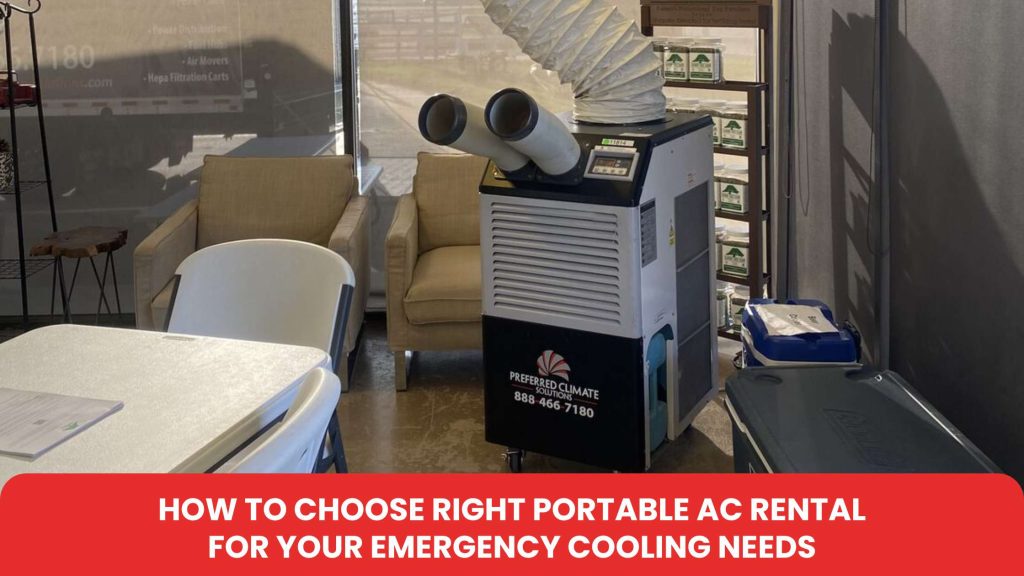
When overheating issues arise, choosing the right portable AC rental provides a quick solution to prevent downtime, preserve equipment, and maintain comfort. Emergency AC rentals are perfect for unexpected heat waves or equipment failures that require immediate attention. 

Opting for a portable AC rental allows you to address any situation quickly and selecting the best portable AC unit tailored to your emergency cooling needs ensures efficiency and reliability when it matters most.

Importance of Choosing the Right Portable AC Unit

The right portable AC rental is critical, especially with emergency cooling needs. 

  • Immediate Relief: The correct portable AC rental delivers fast cooling to heat-affected areas, maintaining safety and comfort.
  • Versatility: Units like emergency AC rentals and 24/7 spot cooler rentals can handle diverse environments, from small offices to large industrial spaces.
  • Cost-Effective: Choosing an appropriately sized unit optimizes energy use, reducing costs.
  • Compliance with Regulations: Certain locations require adherence to strict noise and emissions standards; the right unit ensures compliance.
  • Ease of Installation: The best portable AC units are easy to install and move, providing flexibility in emergencies.
  • Reliability: High-quality evaporative cooler rentals and other portable ACs reduce the risk of breakdowns and subsequent downtime.
  • Adaptability: Units have varying features, such as humidity control and air filtration, which are important for maintaining air quality and equipment safety.

Understanding Different Types of Portable AC Rentals

When your cooling systems unexpectedly fail, or additional cooling is needed immediately, knowing the different types of portable AC rentals available can be a game-changer. Each type serves unique purposes and environments, making the right choice essential for efficiency and effectiveness.

Emergency AC Rental

Emergency AC rentals are specifically designed for swift and effective response in sudden high-temperature scenarios. These units are ideal for situations where quick cooling is critical, such as power outages, equipment failures, or supplemental cooling during peak heat periods.

  • Quick Deployment: Emergency ACs feature fast setup capabilities. They can be operational within minutes of arrival, providing immediate relief.
  • Robust and Powerful: These units are built to offer powerful cooling capacity, essential for large spaces like hospitals, data centers, and large office spaces facing unexpected heat issues.
  • Flexible Applications: Whether it’s a server room that needs to maintain a specific temperature or a reception area filled with guests, emergency AC rentals can adapt to various settings and requirements.

Evaporative Cooler Rentals

Evaporative cooler rentals utilize the natural process of water evaporation to cool the air, making them a more environmentally friendly and cost-effective option compared to traditional air conditioners.

  • Energy Efficiency: These coolers consume less electricity than conventional AC systems, which can lead to significant energy savings, especially in suitable climates.
  • Ideal Environments: Evaporative coolers perform best in hot, dry climates where humidity levels are low. They are less effective in humid conditions, so their use is more geographical.
  • Added Humidity: These units also add moisture to the air while cooling, which can be beneficial in arid climates by reducing air dryness.

24/7 Spot Cooler Rentals

24/7 spot cooler rentals are portable, powerful cooling units designed to target specific areas or ‘spots’ with precision. These are essential in environments where maintaining certain equipment or areas at strict temperature levels is crucial.

  • Targeted Cooling: Spot coolers can be directed to specific points, making them perfect for cooling hot spots in server rooms, intensive care units, or areas with heat-sensitive equipment.
  • Compact and Mobile: Their compact size allows them to fit into smaller spaces that larger units cannot, providing cooling exactly where it’s needed without the bulk of bigger models.
  • Continuous Operation: Designed for around-the-clock use, these coolers can operate non-stop, ensuring ongoing temperature control without interruptions.

Factors to Consider When Choosing a Portable AC

Choosing the right portable AC rental for your emergency cooling needs can seem daunting. It’s essential to find an effective solution that aligns with your specific requirements. By considering these factors, you can choose the right portable AC rental to meet your emergency cooling needs effectively and efficiently. 

Assess Your Space

Before you consider renting a portable AC, evaluate the size of the area you need to cool. Portable units vary in capacity, so select one that matches your space’s square footage. 

A unit too small won’t effectively cool the entire area, while one too large can cause unnecessary energy consumption. Measure your space and consult with rental experts to find the perfect match.

Check the Unit’s Features

Modern portable AC units come with various features that can enhance convenience and efficiency. Look for features like programmable timers, remote controls, and multiple fan speeds. These features not only provide flexibility but also help in reducing power consumption, thereby lowering the cost.

Energy Efficiency

Opting for an energy-efficient model is beneficial for both the environment and your budget. Check the unit’s Energy Efficiency Ratio (EER) to gauge how much cooling the device can do per watt of electricity. Higher EER ratings indicate better energy efficiency. This consideration is particularly important if you foresee prolonged use of the AC unit.

Noise Level

Consider the AC unit’s noise level, especially if it will be used in a workspace or during events. Portable ACs typically list their noise level in decibels (dB). A lower dB rating means the unit operates more quietly, ensuring minimal disruption.

Maintenance and Support

Understand what maintenance the rental company offers. Reliable support can prevent prolonged downtime and ensure your rented AC operates optimally. Inquire about the service response times, especially if you opt for an emergency AC rental or a 24/7 spot cooler rental. Knowing that you can get quick assistance anytime is vital.

Rental Terms

Examine the rental agreement closely. Understand the duration of the rental and termination clauses. Comparing terms from different providers can help you secure a cost-effective and flexible deal.

Cost Considerations

Noting the costs associated with portable AC rentals will help you make an informed decision that is in accordance with your budget and cooling requirements. 

Rental Costs

The average cost of portable AC rentals varies widely depending on the type of unit and the duration of the rental. Typically:

  • Emergency AC Rental: These units cost from $100 to $500 per day, depending on their cooling capacity and features.
  • Evaporative Cooler Rentals: Generally cheaper, these rentals might cost between $75 and $250 per day.
  • 24/7 Spot Cooler Rentals: Given their specialized application, these can be slightly more expensive, ranging from $150 to $600 per day.

Hidden Charges and Fees

Awareness of potential additional costs is crucial to avoid surprises:

  • Delivery Fees: Some companies charge for delivery based on distance or accessibility of the installation site.
  • Installation Costs: Installation fees can vary depending on the complexity of the setup. It’s important to ask if this is included in the quoted price.
  • Maintenance Charges: Regular maintenance may be necessary for longer rental periods and might incur extra fees. Check if the rental agreement covers maintenance services.

How to Source Reliable Portable AC Rentals

Finding a reliable provider for portable AC rentals ensures that your emergency or scheduled cooling needs are in competent hands. This approach not only secures a dependable service but also provides peace of mind.

Choosing a Provider

When selecting a portable AC rental company, the following criteria can guide your decision:

  • Reputation and Experience: Look for companies with a strong track record in the industry. Providers who have been in business for several years are often more reliable and have refined their service delivery.
  • Range of Options: Ensure the provider offers a variety of cooling solutions, including emergency AC rentals, evaporative cooler rentals, and 24/7 spot cooler rentals. A wide selection means they can cater to specific needs and environments.
  • Service and Support: Opt for companies that guarantee 24/7 support and service. Cooling emergencies can occur at any time, and immediate assistance is vital to prevent disruptions or damage.
  • Cost Transparency: Reliable providers will be upfront about all costs, including potential hidden fees for delivery, installation, and maintenance. Transparent pricing helps you budget effectively without surprises.
  • Customization and Flexibility: Each cooling requirement might be unique. Choose a provider that offers customized solutions or flexible rental terms to best fit your specific situation.

Checking Reviews and References

To ensure the reliability of a portable AC rental company, consider:

  • Customer Reviews: Online reviews are a valuable resource for assessing a company’s reliability. Look for feedback on response times, effectiveness of the cooling solutions, and overall customer service. Pay attention to how the company handles negative reviews or complaints.
  • Testimonials: Reputable companies often showcase customer testimonials on their websites. These can provide insights into the company’s performance in real-world scenarios and its ability to effectively meet clients’ needs.
  • Accreditations and Certifications: Check if the company holds any relevant industry accreditations or certifications that demonstrate a commitment to quality and safety standards.

Safety and Compliance Considerations Before Renting a Portable AC

When addressing emergency cooling needs with a portable AC rental, prioritize safety and compliance from the outset. Adhering to relevant regulations and best practices before renting an AC unit will ensure that your solution is both effective and legally compliant.

Proper Installation: Before selecting a rental, verify that the provider offers professional installation. This will help you avoid an improper setup that could lead to safety hazards and inefficiencies.

Check for Certifications: The right rental should have all necessary safety certifications from recognized industry bodies like UL (Underwriters Laboratories) or ETL (Intertek), which signify compliance with safety standards.

Building Codes: Before installation, check that the portable AC complies with local building codes. These codes vary by location but generally govern where and how air conditioning units can be installed to ensure safety.

Environmental Regulations: If the unit uses refrigerants, it must adhere to environmental regulations regarding chemical use. Compliance prevents penalties and ensures that the unit is environmentally friendly.

Conclusion

Choosing the right portable AC rental for your emergency cooling needs impacts not only comfort but also operational continuity and cost efficiency. The correct portable AC unit ensures quick deployment and adaptation to various environments, which is crucial in emergency situations. 

For those looking to secure reliable and efficient cooling solutions, Preferred Climate Solutions offers a range of options tailored to meet specific cooling needs.

Whether facing an unexpected heatwave or needing additional cooling for a special event, we ensure you have access to top-tier portable AC rentals, expert advice, and 24/7 support. Explore our offerings to find the perfect cooling solution for your needs today.

FAQs

Here are a few of the frequently asked questions regarding portable AC rentals. 

How Do I Determine the Right Size Portable AC for My Needs?

To select the right size, calculate the space’s square footage and match it with the appropriate BTU rating. For accurate sizing, consult with a rental provider who can assess other factors like room height and heat load from equipment.

Does Portable AC Use a Lot of Electricity?

Portable AC units can vary in their electricity usage. While some models may consume more power, especially those with higher BTU ratings, many newer units are designed to be energy-efficient. To optimize electricity usage and reduce costs, consider models with high Energy Efficiency Ratios (EER) or those certified by ENERGY STAR.

How Many Degrees Can a Portable AC Cool a Room?

The cooling capacity of a portable AC unit depends on its BTU rating and the size of the room. Generally, a well-sized unit can reduce room temperatures by 10 to 15 degrees Fahrenheit. For precise cooling needs, consult with a rental expert to match the unit’s capacity with the specifics of your space.

What Is the Maintenance Required for a Portable AC Rental?

Maintaining a portable AC requires regular checks and cleaning, particularly of air filters and exhaust hoses, to ensure optimal performance. Rental agreements typically include maintenance services, but it’s advisable to clarify what maintenance is covered and what responsibilities you may have.

Can I Move My Portable AC From One Room to Another?

Yes, one key benefit of portable AC units is their mobility. Most models come with casters and handles, allowing them to be easily moved from one room to another, provided there is a suitable power outlet and a way to vent the exhaust, typically through a window.


, , ,
Rent Portable Heaters
Blog

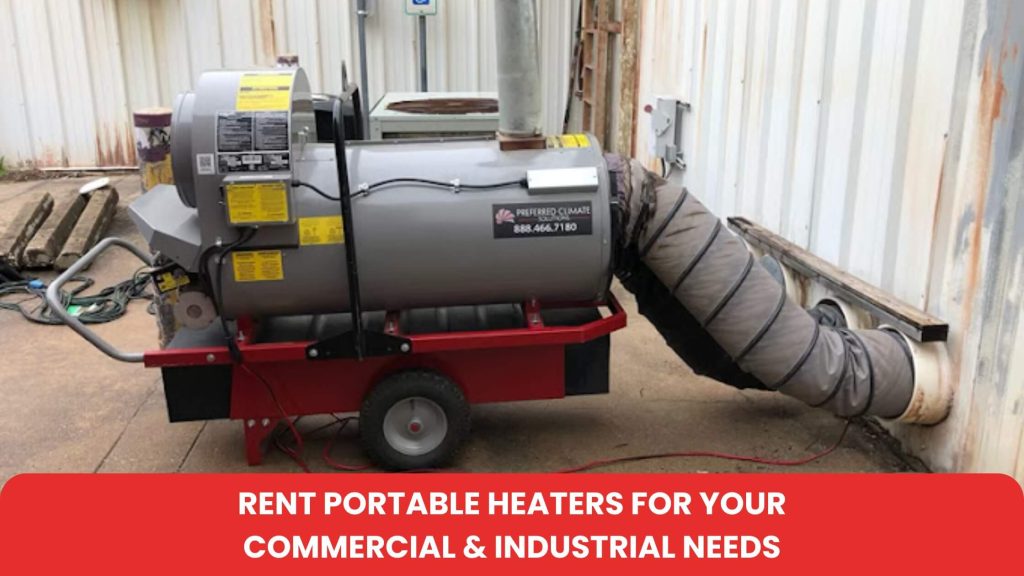
When temperatures drop, maintaining a comfortable and safe environment in commercial spaces becomes a priority. That is why you need to rent portable heaters. They offer a flexible and efficient solution to keep your operations running smoothly.

Whether you’re working in a warehouse, construction site, or event venue, a commercial heater rental option can help your business. It can fulfill the need for temporary or seasonal heating without the commitment of purchasing equipment. Let’s explore the benefits of renting portable heaters, the different types, and how they can meet your industrial heating needs.

Why Commercial Spaces Need To Rent Portable Heaters

Commercial spaces often face unique challenges while maintaining a consistent temperature. It can be a huge problem during the colder months. These challenges can disrupt operations, affect employee productivity, and compromise safety. Portable heater rentals can offer an effective solution to these issues.

1. Temperature Control in Large and Open Spaces

Warehouses, distribution centers, and large retail spaces are often difficult to heat. Traditional HVAC systems may struggle to distribute heat evenly. It can lead to cold spots that can make the environment uncomfortable for workers and customers.

Portable heaters provide targeted heating. It can allow you to focus warmth where it’s needed most. It ensures consistent temperature in large or open spaces.

2. Temporary Heating for Construction Sites

Construction projects often happen in environments where permanent heating systems are not yet operational. It can expose workers to extreme cold weather. Cold conditions can slow down work and reduce efficiency.

Moreover, it can also even pose health risks to your staff. Portable heaters are an important solution for construction sites. They can provide immediate warmth and motivate workers to continue their tasks. This way, portable heaters can prevent delays, improve worker productivity, and ensure the projects stay on schedule.

3. Emergency and Supplemental Heating

Unforeseen circumstances, such as a malfunctioning heating system or an unexpected cold snap, can leave commercial spaces without adequate heating. However, when you choose industrial heater rental, you can get a quick and flexible response to these emergencies.

You can deploy them rapidly to restore warmth, prevent damage to equipment, protect inventory, and ensure the safety of occupants. Additionally, portable heaters can be used as supplemental heating to support existing systems.

Which Commercial Spaces Can Incorporate Portable Heaters

Portable heaters are adaptable. Hence, they are suitable for a wide range of commercial spaces. Their flexibility allows businesses to address specific heating needs without investing in permanent solutions. Here’s a look at various commercial environments where portable heaters can be effective.

1. Warehouses and Distribution Centers

Warehouses and distribution centers are large, open spaces with high ceilings. They can make maintaining a consistent temperature a challenge. Traditional heating systems may be insufficient or too costly to operate in these environments.

Portable heaters can provide targeted warmth in loading docks, packing stations, or employee break rooms. They can maintain a comfortable working environment and ensure a productive environment. They are also useful for temperature-sensitive goods.

2. Construction Sites

Construction sites often lack permanent heating solutions, especially in the early stages of a project. Cold weather can slow down work, reduce the effectiveness of certain construction materials (like adhesives and paints), and create uncomfortable or even hazardous conditions for workers.

Portable heaters offer a convenient solution by providing immediate warmth in required areas. You can move them around the site as work progresses.

3. Event Venues

Outdoor events or large indoor spaces like convention centers can benefit from portable heaters. It can help during colder months or in regions with unpredictable weather. Maintaining a comfortable temperature is necessary for guest satisfaction in big events.

They include weddings, corporate events, or public gatherings. You can place portable heaters around seating areas, entrances, or outdoor tents to create a warm and inviting atmosphere.

4. Retail Stores and Shopping Centers

In retail environments, customer comfort is tied to the shopping experience. Cold spots within a store can deter customers and negatively impact sales. Portable heaters can supplement existing heating systems and give a welcoming experience to customers.

They are also useful in areas like entryways. Opening and closing of doors can cause temperature fluctuations.

5. Offices and Commercial Buildings

For office spaces, maintaining a consistent temperature is key to employee productivity. The existing heating system might not be sufficient in older buildings.

Portable heaters can be useful in specific areas, such as conference rooms, lobbies, or individual offices. They’re also invaluable during renovations or until the permanent systems are repaired.

6. Industrial Facilities

Manufacturing plants, workshops, and other industrial facilities require additional heating to ensure safe operations. Portable heaters can warm specific work areas, and protect machinery and equipment from cold-related damage.

They can maintain optimal conditions for temperature-sensitive processes. Their mobility allows them to be positioned exactly where needed.

Types of Portable Heaters

Portable heaters come in various types. Each of them can address specific heating needs in commercial and industrial settings. Understanding the differences between these heaters can help you choose the most suitable option for your space. Here are the main types of portable heaters:

1. Electric Heaters

Electric heaters are among the most common and versatile types of portable heaters. They are easy to use, requiring only an electrical outlet to operate. That is why, most temporary workstations opt for electric heater rental for indoor use in commercial spaces.

They can convert electrical energy into heat, often through elements like coils or ceramic plates. They distribute warmth using a fan. Electric heaters are clean, safe, and efficient. Hence, they are perfect for environments where air quality is a concern.

2. Propane Heaters

Propane heaters are highly portable and offer powerful heating capabilities. They are suitable for outdoor and well-ventilated indoor spaces. They can operate by burning propane gas to produce heat. The gas is then distributed through radiant or convection methods.

Propane heaters are useful in construction sites, outdoor events, and large industrial areas. They provide instant heat. Plus, they can quickly warm up large spaces, making them ideal for temporary or emergency heating needs.

3. Kerosene Heaters

Kerosene heaters are another option for portable heating, especially in situations where electricity is unavailable or unreliable.

They burn kerosene fuel to produce heat. Kerosene heaters are used in industrial areas needing strong heating. They can provide consistent warmth in cold conditions. Plus, they are useful in emergencies.

4. Infrared Heaters

Infrared heaters emit infrared radiation that directly heats objects and people in their path. It makes them highly efficient and effective in spaces where targeted heating is necessary.

Infrared heaters are useful in warehouses, garages, and outdoor areas where you need quick warmth. They are also energy-efficient, as they require less power to operate.

5. Diesel Heaters

Diesel heaters are powerful and durable. They are designed for use in large industrial spaces, construction sites, and outdoor environments. They run on diesel fuel. Plus, they are capable of producing significant amounts of heat quickly.

These heaters are ideal for areas where a robust and reliable heating solution is necessary. Diesel heaters are also portable and you can easily transport them to different locations.

Each type of portable heater offers unique benefits. You need to choose the right one based on the specific requirements of your commercial space. Whether you need quick, powerful heating for an outdoor event or consistent, safe warmth for an indoor office, there’s a portable heater that can meet your needs.

Benefits of Rental Portable Heaters for Commercial Spaces

Renting portable heaters for commercial spaces offers numerous advantages. Here are some key benefits:

1. Cost-Effectiveness

Renting portable heaters is a cost-effective solution, especially for businesses. They require heating only during specific seasons or events. Instead of investing in expensive heating systems that may sit idle for much of the year, renting allows you to pay only for what you need.

This approach helps conserve capital and reduce overhead costs. Hence, it is an ideal choice for businesses looking to manage their budgets more effectively.

2. Flexibility and Convenience

Portable heaters offer unparalleled flexibility. Whether you need to heat a large warehouse, an outdoor event space, or a temporary worksite, rental heaters can easily be set up anywhere.

The ability to choose from various heater types—such as electric, propane, or diesel—allows you to select the best option for your specific environment. This flexibility ensures you can adapt to changing weather conditions or unexpected needs.

3. Quick and Easy Setup

One of the significant benefits of renting portable heaters is the ease of setup and operation. Rental companies often provide delivery, setup, and maintenance services. They ensure the heaters are installed correctly and functioning optimally.

This convenience allows businesses to focus on their core operations without worrying about the complexities of setting up. It helps to maintain heating equipment. Moreover, if any issues arise, the rental company can quickly address them, minimizing downtime and disruptions.

4. Energy Efficiency

Modern portable heaters are energy efficient. They ensure you can maintain a comfortable environment without incurring excessive energy costs. Renting allows you to access the latest, most efficient models. It might not be feasible if you were to purchase the equipment.

You can adjust these heaters to provide the right amount of heat for your space. It will also reduce waste and optimize energy use.

5. Scalability

As your business grows, renting portable heaters offers the scalability needed to adapt. You can easily increase or decrease the number of units rented based on demand.

The best part? You can do it without the long-term commitment of ownership. This scalability is beneficial for businesses that experience fluctuating needs, such as event planners or construction companies.

6. No Maintenance Worries

When you rent portable heaters, the rental company takes responsibility for maintenance. You don’t have to worry about servicing, repairs, or replacements which can save you money.

The rental provider ensures all equipment is in top condition and meets safety standards. It will give you peace of mind and allow you to focus on your business.

7. Environmentally Friendly

Renting instead of purchasing can also be a more sustainable option. By sharing resources, you reduce the need for manufacturing new units.

It can minimize the environmental impact. Furthermore, modern rental heaters are often more energy-efficient and produce fewer emissions. Hence, your business can indirectly contribute to a greener operation.

Tips to Choose a Portable Heater For Your Commercial Space 

Selecting the right portable heater for your commercial space can ensure efficiency, safety, and comfort. Here are some key tips to guide your decision:

Assess the Size of the Space

Calculate the square footage of the area that needs heating before choosing a portable heater. Portable heaters come in various sizes and capacities, so it’s necessary to match the heater’s output to your space.

For larger areas, you may require a high-capacity heater or multiple units to ensure even heat distribution. Overheating a small space or underheating a large one can lead to inefficiency and discomfort.

Consider the Heater Type

Portable heaters are available in different types, including electric, propane, and diesel. Electric heaters are ideal for indoor spaces where safety and ease of use are priorities.

Propane heaters are more suitable for well-ventilated areas or outdoor use due to their emissions. Diesel heaters are powerful and efficient, making them suitable for large spaces. Consider the environment and then select the heater.

Evaluate Energy Efficiency

Energy efficiency is an important factor when choosing a portable heater. Why? It directly impacts operational costs.

Look for heaters with adjustable thermostats and energy-saving features, such as timers or eco-modes, which help reduce energy consumption. High-efficiency heaters can save money and contribute to a more sustainable operation.

Prioritize Safety Features

Safety is paramount when using portable heaters in commercial spaces. Ensure the heater has all the safety features, such as overheat protection, tip-over switches, and cool-touch exteriors. These features can prevent accidents and provide peace of mind, especially in busy environments.


Frequently Asked Questions

Here’s a brief FAQ section to address common questions about commercial heaters available for rent.

What are the main benefits of renting portable heaters instead of purchasing them?

Renting portable heaters provides flexibility and cost-effectiveness, especially for businesses that require heating solutions seasonally or for specific events only. It eliminates the need for large upfront investments and ongoing maintenance responsibilities.

Can portable heaters be used in all types of commercial spaces?

Yes, portable heaters are versatile and can be adapted to a wide variety of commercial environments, from warehouses and construction sites to retail stores and event venues. They offer specific heating solutions that can be tailored to the unique needs of each space.

How do I choose the right type of portable heater for my space?

Consider the size of the space, the typical climate in your area, and specific safety requirements. Electric heaters are ideal for enclosed spaces, while propane and diesel heaters might be better suited for larger, well-ventilated areas.

Are rented portable heaters energy-efficient?

Yes, modern rented portable heaters are designed to be energy-efficient, providing effective heating without excessive energy consumption. Renting allows access to the latest models with advanced technology that can optimize energy use and reduce costs.

Final Thoughts

Renting portable heaters can be a game-changer for keeping your commercial space cozy and safe. With their flexibility, these heaters can easily adapt to a variety of heating needs. Plus, their quick setup and hassle-free maintenance make them an even more attractive option.

Need some expert advice or looking for a wide range of heating solutions? Give Preferred Climate Solutions a call. Their team, rich in experience and committed to quality, is ready to help you pinpoint the most efficient and effective heating solutions for your space.

, , , ,
portable heat pumps
Blog

Business owners need efficient, effective, and affordable heating and cooling solutions. Many have turned to portable heat pumps, which have surged in popularity during the past few years. Small but mighty, these devices promise a flexible and cost-effective alternative to traditional HVAC systems.

But are they the right option for your needs? If you’re interested in learning more about portable heat pumps, you’re in the right place. Let’s explore their benefits, functionality, efficiency, and more.

Importance of Portable Heat Pumps

Portable heat pumps are becoming a popular choice for several reasons. They offer a high degree of flexibility. It is valuable for people living in rented accommodations or flexible office spaces.

Unlike traditional HVAC systems, which require extensive installation processes and a huge cost to set, portable heat pumps are easy to relocate. You can set these pumps in different rooms as needed. This mobility makes them ideal for providing targeted climate control without multiple installations.

Advantages of Portable Heat Pumps

Portable heat pumps offer several benefits for small and large spaces.

Versatility and Convenience

One can easily move portable heat pumps from one room to another. They offer versatile heating and cooling solutions for any space. This flexibility is useful for those who want to maintain comfort in various parts of their unit without investing in multiple HVAC units.

Additionally, portable heat pumps are relatively simple to set and require minimal installation. They have become a convenient option for anyone seeking quick and efficient climate control.

Energy Efficiency

One of the standout benefits of portable heat pumps is their energy efficiency. These devices operate by transferring heat rather than generating it. They can consume less energy compared to traditional heating systems.

When they are in cooling mode, they function similarly to air conditioners. They effectively cool the air by extracting heat and expelling it outside. This dual functionality allows users to save on energy costs throughout the year. Therefore, portable heat pumps stand out as an economically smart choice.

Cost-Effectiveness

The initial cost of a portable heat pump is generally lower than that of installing a full-scale HVAC system. Moreover, they are energy-efficient and help reduce monthly utility bills. Over time, the savings on energy costs can compensate for the initial investment. That makes portable heat pumps a cost-effective solution for maintaining comfortable indoor temperatures.

Eco-Friendly

Portable heat pumps are an environmentally friendly option for climate control. They contribute to less carbon emissions by using less electricity and avoiding fossil fuels. It makes them a suitable choice for environmentally conscious business owners and consumers looking to reduce their ecological footprint.

Compact and Space-Saving

These devices are compact and do not require extensive ductwork or permanent installations. Hence, they are ideal for small living spaces or homes with limited room for traditional HVAC systems. Their compact nature ensures they can be easily stored when not in use, further enhancing their practicality.

How Do Portable Heat Pumps Work?

Portable heat pumps are versatile devices that provide heating and cooling by transferring heat from one place to another. Their operation is based on the principles of thermodynamics. The device utilizes a refrigeration cycle to achieve the desired temperature control.

Understanding how portable heat pumps work can help you appreciate their efficiency and effectiveness. They can maintain comfortable indoor environments in most spaces.

Refrigeration Cycle

At the core of a portable heat pump is the refrigeration cycle, which involves four main components: the evaporator, compressor, condenser, and expansion valve. Here’s how these components work together to provide heating and cooling:

  • Evaporator: The process begins with the evaporator in cooling mode. It is where a refrigerant absorbs heat from the indoor air. It causes the refrigerant to evaporate into a gas. The cooled air is then circulated back into the room, reducing the indoor temperature.
  • Compressor: The compressor then compresses refrigerant gas, increasing its pressure and temperature. This high-pressure, high-temperature gas is necessary for the next step of the cycle.
  • Condenser: The hot, pressurized refrigerant gas moves to the condenser, releasing the absorbed heat to the outside environment. As the heat is expelled, the refrigerant cools down and condenses into liquid.
  • Expansion Valve: The cooled liquid refrigerant then passes through the expansion valve, where its pressure is reduced, causing it to cool further. The cycle then repeats as the refrigerant re-enters the evaporator.

Heating Mode

The process is reversed in heating mode. The evaporator absorbs heat from the outside air (even in cold conditions) and transfers it to the refrigerant.

The compressor then increases the refrigerant’s temperature and pressure before it reaches the condenser, where the heat is released into the indoor environment. It can warm the air. The expansion valve lowers the refrigerant’s pressure and completes the cycle as the refrigerant re-enters the evaporator.

Comparison to Traditional HVAC Systems

When considering heating and cooling solutions for your home or office, you must understand the differences between portable heat pumps and traditional HVAC systems. Each has unique advantages and disadvantages. However, the best choice depends on your specific needs and circumstances.

Energy Efficiency

Portable heat pumps are generally more energy-efficient than traditional HVAC systems. They use the principle of heat transfer rather than heat generation. It means they require less energy to achieve the same temperature control.

HVAC systems mostly rely on electric resistance heating or fuel combustion. They often consume more energy. This makes portable heat pumps a more environmentally friendly and cost-effective option in the long run.

Installation and Flexibility

One of the significant advantages of portable heat pumps is their ease of installation and flexibility. Portable heat pumps can be set up quickly. It makes them ideal for renters, small spaces, or situations where permanent HVAC installation is impractical or too costly. That is why most start-ups and SMEs prefer portable heater rentals.

Initial and Maintenance Costs

Traditional HVAC systems typically have higher upfront costs due to the complexity of installation and the need for ductwork. Additionally, ongoing maintenance can be more expensive, especially for older systems.

On the other hand, portable heat pumps have lower initial costs and are easier to maintain. They often only require simple tasks such as cleaning filters and ensuring the exhaust hose is clear.

Performance in Extreme Temperatures

Traditional HVAC systems can perform better in extreme temperatures, especially those with separate heating and cooling units. Portable heat pumps may struggle in very cold climates since their efficiency decreases as the outdoor temperature drops.

In contrast, traditional heating systems that burn fuel or use electric resistance heating can provide consistent warmth regardless of outdoor conditions.

Comfort and Air Quality

Traditional HVAC systems typically offer superior air circulation and filtration. It may lead to better overall air quality. They can more effectively control humidity and provide even temperature distribution throughout the entire building. Portable heat pumps, while efficient, may sometimes result in uneven temperature distribution in larger spaces.

Factors to Consider When Purchasing a Portable Heat Pump

When considering a portable heat pump for your home or office, you need to think about several factors. It will ensure you make an informed decision. Portable heat pumps offer versatile heating and cooling solutions, but choosing the right one requires careful evaluation of various aspects.

1. Size and Capacity

The size and capacity of the portable heat pump are important factors to consider. The unit’s capacity, measured in British Thermal Units (BTUs), should match the size of the space you intend to heat or cool.

A unit with insufficient capacity will struggle to maintain the desired temperature, while an oversized unit may cycle on and off too frequently, which can affect the device’s efficiency. Measure the room’s square footage and consult the manufacturer’s guidelines to select an appropriately sized unit.

2. Energy Efficiency

Energy efficiency is a key consideration for any heating and cooling device. Look for a portable heat pump with a high Energy Efficiency Ratio (EER) and Seasonal Energy Efficiency Ratio (SEER). These ratings indicate the unit’s cooling and heating efficiency.

Higher ratings mean lower energy consumption and reduced utility bills. Additionally, units with Energy Star certification meet strict efficiency standards and are environmentally friendly.

3. Noise Level

Noise level is an important factor, especially if the portable heat pump will be used in small office spaces. Check the unit’s decibel (dB) rating to gauge its noise level during operation.

Quieter units are generally more comfortable to live with, particularly during nighttime or working hours. Reading customer reviews and specifications can provide insight into the noise levels of different models.

4. Portability and Installation

The heat pump’s portability is a significant advantage. Look for a unit with sturdy wheels and handles for easy movement between rooms.

Consider the installation requirements, such as the length of the exhaust hose and the need for a nearby window or vent for proper ventilation. Some units require minimal installation, while others require more setup effort.

5. Features and Controls

Modern portable heat pumps offer different features and controls. They can enhance convenience and comfort. Look for units with programmable thermostats, remote controls, multiple fan speeds, and sleep modes.

These features allow you to customize the pump’s unit’s operation. You can adjust them to suit your preferences and schedule. This way, you can optimize energy usage and maintain a comfortable environment.

6. Maintenance and Durability

Regular maintenance can keep your portable heat pump running efficiently. Check the unit’s maintenance requirements, such as filter cleaning or replacement, and ensure these tasks are easy to perform. Moreover, consider the durability and build quality of the unit. Investing in a well-built, reliable model will ensure longevity and reduce the likelihood of breakdowns.

7. Price and Warranty

Finally, consider your budget and the warranty offered by the heat pump manufacturer. While choosing the affordable portable heat pump option may be tempting, investing in a higher-quality unit can save you money in the long run. A comprehensive warranty provides peace of mind as it can cover repairs or replacements.

When to Use a Portable Heat Pump

Portable heat pumps are ideal for various settings and situations. Here are some of the best scenarios for their use:

1. Small to Medium-Sized Rooms

Portable heat pumps are perfect for heating or cooling individual rooms, such as bedrooms, living rooms, small offices, or home offices. Due to their compact size and mobility, they can be easily moved.

2. Temporary Living Spaces

A portable heat pump offers an excellent solution for those living in temporary accommodations. Since these devices do not require permanent installation, they can be easily transported and set up in another space.

3. Supplemental Heating and Cooling

In larger homes or offices, portable heat pumps can serve as a supplement to central HVAC systems. They are helpful in areas that are difficult to reach with central heating and cooling, such as basements, attics, or extensions. They can provide additional heating or cooling. Plus, they help maintain a consistent temperature throughout the space.

4. Energy-Efficient Zones

For those looking to save on energy bills, portable heat pumps can create energy-efficient zones within the space. Instead of heating or cooling the entire room, focus on the most frequently occupied areas. This zoned approach can significantly reduce energy consumption and lower utility costs.

5. Seasonal Transitions

When temperatures fluctuate between warm and cool, portable heat pumps offer a flexible solution. They can quickly switch between heating and cooling modes. They can provide comfort without the need to switch between separate heating and cooling systems.

6. Outdoor and Semi-Outdoor Spaces

Portable heat pumps can also be used in enclosed patios, sunrooms, or garages, extending the usability of these spaces throughout the year. They provide a convenient way to maintain a comfortable temperature in areas that might not be connected to the main HVAC system.

Final Thoughts

Portable heat pumps offer several benefits, including flexibility, energy efficiency, cost-effectiveness, and eco-friendliness. They are particularly suitable for those needing adaptable climate control in various settings.

Assess your individual needs and preferences to determine if a portable heat pump is the right solution for your home. For more information, contact Preferred Climate Solutions today to explore your options. Renting portable heat pumps allows you to enjoy a comfortable environment in any space.

,
Blog

Maintaining optimal temperatures in a warehouse is crucial for ensuring a productive and safe working environment and for protecting temperature-sensitive goods. Proper heating prevents the discomfort and inefficiency that often come with cold, inconsistent indoor climates.

Finding the right commercial heaters for your warehouse might seem daunting, but the following guide simplifies the process. Let’s take a closer look at how to find the best commercial heaters for warehouses, including heater types, savings strategies, installation requirements, and more.

Learn how to make informed choices in heating that enhance your warehouse operation!

Understanding Warehouse Heating Requirements

Assessing a warehouse’s specific heating needs is the first step in choosing the best commercial heater. Each warehouse has unique requirements, which can be influenced by several key factors.

Size and Layout of the Warehouse

The size and layout of your warehouse significantly impact the type and number of heaters you will need. Larger spaces require more powerful heaters or multiple units.

They can ensure even heat distribution. High ceilings, multiple floors, or irregular layouts might necessitate specialized solutions to avoid cold spots. They can maintain consistent temperatures throughout the warehouse.

Insulation and Building Materials

The insulation quality and building materials also play a key role in determining heating needs. Well-insulated warehouses retain heat more effectively, reducing the demand for heating systems and lowering energy costs.

Conversely, poorly insulated buildings lose heat quickly, requiring more robust heating solutions to maintain desired temperatures. Assessing insulation can help you identify areas for improvement and optimize heating efficiency.

Local Climate and Seasonal Temperature Variations

The local climate and seasonal temperature variations also influence heating requirements. Warehouses in colder climates will need more powerful and reliable heating systems than those in milder regions.

Understanding the local weather patterns can help you choose the best commercial heaters. They should be capable of performing efficiently throughout the year, ensuring worker comfort and product safety.

Types of Goods Stored

The nature of the goods stored in the warehouse is another necessary consideration. Temperature-sensitive products, such as pharmaceuticals, food items, and electronics, require precise temperature control to prevent spoilage or damage. Specialized heaters with advanced temperature regulation capabilities are best for such warehouses to maintain product integrity.

Workforce Comfort and Safety

Maintaining a comfortable temperature for the workforce can ensure productivity and safety. Cold working environments can lead to discomfort, reduced efficiency, and even health issues.

Ensuring adequate heating contributes to a better working environment. It can keep employees warm, comfortable, and focused on their tasks. Safety considerations include proper ventilation and compliance with heating regulations. They can prevent accidents and health hazards.

If you carefully evaluate these factors, you can gain a comprehensive understanding of your warehouse’s heating requirements. This understanding can help you select the most suitable commercial heater.

Types of Commercial Heaters for Warehouses

Selecting the right type of commercial heater will help you maintain an optimal temperature in a warehouse. Here are some of the most common types of heaters, each with unique features and ideal use cases.

Unit Heaters

Unit heaters are popular in warehouses due to their simplicity and effectiveness. You can mount these heaters on walls and use a fan to circulate warm air throughout the space. They are available in gas, electric, and propane models.

Unit heaters offer advantages such as quick installation, straightforward maintenance, and the ability to heat large areas effectively. They are ideal for warehouses with ample open space and a need for rapid, even heating.

Radiant Heaters

Radiant heaters can emit infrared radiation, which directly warms objects and people rather than the air. This method of heating is highly efficient, especially in spaces with high ceilings or areas that are difficult to heat.

Radiant heaters are particularly beneficial for spot heating in specific zones, reducing energy consumption by only heating occupied areas. They are well-suited for warehouses with large open spaces, high ceilings, and specific heating zones.

Infrared Heaters

Infrared heaters are similar to radiant heaters but are designed to heat objects and people directly. They can provide immediate warmth. These heaters are highly efficient and can reduce energy costs by targeting specific areas rather than heating the entire space.

Infrared heaters are ideal for warehouses where certain sections require more heat, such as loading docks or workstations. They are known for their quick response time and consistent heat distribution.

Central Heating Systems

Central heating systems use a network of ducts to distribute heat generated from a central source, such as a furnace or boiler. These systems are highly effective for large warehouses requiring consistent and controlled heating across multiple zones.

The main advantages include uniform heat distribution and the ability to integrate with existing HVAC systems. However, their permanency makes them expensive to install and maintain, making heater rental an attractive alternative.

Heat Pumps

Heat pumps are a versatile and energy-efficient option for warehouse heating. They work by transferring heat from one place to another, typically from outside air or the ground. Heat pumps are highly efficient as they can provide both heating and cooling. You can use them year-round without hesitation.

They are best suited for warehouses in moderate climates where extreme temperatures are less common. Therefore, they can provide cost-effective temperature control throughout the year.

Electric Heaters

Electric heaters come in various types, including fan-forced and convection models. Fan-forced electric heaters use fans to circulate warm air quickly, while convection heaters rely on natural air circulation to distribute heat. Electric heaters are easy to install and operate, with no need for fuel storage or venting.

They are ideal for smaller warehouses or specific zones within larger spaces where gas or propane heaters may not be feasible. However, they can be more expensive to run due to higher electricity costs.

By understanding the different types of commercial heaters and their respective advantages and limitations, you can choose the best heating solution for your warehouse. They can ensure optimal temperature control and energy efficiency.

Key Factors to Consider When Choosing a Commercial Heater

Selecting the best commercial heater for a warehouse involves evaluating several key factors to ensure optimal performance, efficiency, and safety. Here are a few considerations:

Energy Efficiency

Energy efficiency is important in reducing operational costs and minimizing environmental impact. Opting for energy-efficient heaters can lead to significant savings over time. Look for heaters with high energy ratings and certifications such as Energy Star.

These ratings indicate that the heater meets specific energy efficiency criteria, ensuring lower energy consumption and cost-effectiveness.

Heating Capacity

Determining the right heating capacity is vital to ensure the heater can effectively warm the warehouse. This is calculated based on the warehouse’s size, insulation quality, and layout. The required heating capacity is typically measured in BTUs (British Thermal Units).

A higher BTU rating means greater heating power. To calculate the needed BTUs, consider factors like ceiling height, insulation type, and the local climate. Using a BTU calculator can help estimate the appropriate capacity to meet your heating needs.

Installation and Maintenance

The ease of installation and ongoing maintenance requirements vary between different heater types. Some heaters, like unit heaters, are relatively easy to install, while central heating systems may require more complex installation processes. Consider the costs and time associated with installation.

Additionally, factor in the maintenance needs of each heater type. Regular maintenance ensures longevity and optimal performance. So, choose a heater with manageable maintenance requirements and accessible service options.

Fuel Type and Availability

The choice of fuel type impacts both operational costs and heater efficiency. Common fuel options include natural gas, propane, electricity, and oil. Evaluate the availability and cost of these fuels in your local area.

Natural gas and propane are often more cost-effective and efficient, but their availability may vary. Electric heaters are convenient but can be more expensive to run. Assess the long-term costs and benefits of each fuel type to make an informed decision.

Safety Features

Safety is essential in any commercial setting. Look for safety features such as automatic shut-off mechanisms, overheat protection, and proper ventilation systems. Ensure that the chosen heater complies with local safety regulations and standards. Heaters with robust safety features can protect the warehouse and its contents and enhance worker safety.

Control Options

Modern heaters come with advanced control systems and thermostats that allow for precise temperature regulation. Remote and programmable controls can enhance energy efficiency by adjusting heating based on occupancy.

Look for heaters with user-friendly controls and the ability to integrate with building management systems. They can assure you seamless operation.

Noise Levels

The noise level of a heater can significantly impact the warehouse environment. Excessive noise can be distracting and reduce productivity. Choose heaters designed to operate quietly, especially if they are to be installed in areas where workers spend a lot of time. Heaters with lower decibel ratings are preferable for maintaining a conducive working atmosphere.

If you consider these factors, you can select a commercial heater that best suits your warehouse’s specific needs. They can ensure efficient, safe, and cost-effective heating.

Common Mistakes to Avoid

When selecting a commercial heater for a warehouse, certain pitfalls can lead to inefficiency, increased costs, and safety issues. Here are some common mistakes to avoid:

Overlooking the Importance of Professional Installation

One of the most critical mistakes is neglecting professional installation. Proper installation ensures that the heater operates efficiently and safely. Professional installers have the expertise to handle complex installations, ensuring compliance with local codes and regulations.

DIY installations or the use of unqualified personnel can lead to improper functioning, an increased risk of accidents, and voided warranties.

Ignoring the Specific Heating Needs of the Warehouse

Every warehouse has unique heating requirements based on its size, layout, insulation, and usage. A common error is choosing a heater without thoroughly assessing these needs.

Conduct a comprehensive evaluation of the warehouse environment to determine the appropriate heater type and capacity. Ignoring these specific needs can result in inadequate heating, uneven temperature distribution, and increased energy consumption.

Failing to Consider Long-Term Operational Costs

Focusing solely on a heater’s initial purchase price is a frequent mistake. While upfront costs are important, you need to consider long-term operational costs, including energy consumption, fuel expenses, and maintenance.

If you do not see it worth buying commercial heaters, get them on rent for a while. Always evaluate the total cost of ownership to make an informed decision.

Choosing a Heater Solely Based on Initial Cost

Selecting a heater based purely on the lowest price can be detrimental. Cheap heaters may lack vital features, durability, and efficiency. It’s important to balance cost with quality, reliability, and performance. Investing in a higher-quality heater may provide better long-term value through improved efficiency, lower maintenance costs, and extended lifespan.

Neglecting Regular Maintenance and Servicing

Regular maintenance is essential for keeping heaters operating efficiently and extending their lifespan. Skipping this can lead to higher energy costs, reduced performance, and even safety risks.

Renting heaters can be a smarter choice because maintenance is typically included, ensuring the equipment is always in good condition. This arrangement not only prevents breakdowns but also frees your team from the hassle of upkeep.

By avoiding these common mistakes, you can ensure a more efficient, cost-effective, and safe heating solution for your warehouse.

Final Thoughts

Selecting the right commercial heaters is crucial for maintaining an ideal temperature in warehouses, enhancing worker productivity, and safeguarding stored products. Effective heating solutions ensure that operations run smoothly, regardless of the outside weather conditions.

When choosing a heater, consider factors such as the size and layout of your warehouse, insulation quality, local climate, and the specific needs of your stored goods. Additionally, renting commercial heaters can be a cost-effective and flexible option, allowing you to adapt to changing needs without a hefty upfront investment.

For expert advice and access to a wide range of heating solutions, contact the professionals at Preferred Climate Solutions. With their extensive experience and commitment to quality, they are well-equipped to help you find the most effective and efficient heating options for your warehouse needs.

, , ,
Evaporative Cooler Rentals
Blog

As outdoor gatherings become increasingly popular, people are finding more effective ways to keep their guests cool and comfortable. One solution gaining popularity is the use of evaporative cooler rentals.

These portable evaporative coolers offer a cost-effective and efficient way to beat the heat during harsh summers. They can create a pleasant environment for any outdoor event.

In this blog, we’ll explore the benefits of evaporative cooler rentals and why they are the perfect choice for your next outdoor gathering.

How Do Evaporative Air Coolers Work?

Evaporative air coolers harness the natural process of evaporation to cool the surrounding air. The stored water within the cooler is pumped to the top of the unit. From there, the water flows over specially designed cooling pads made of absorbent materials. These pads can provide a large surface area for the water to evaporate into the passing air.

As the fan draws warm air from the outside into the cooler, it passes through the moistened cooling pads. The warm air absorbs moisture from the pads and causes the water to evaporate.

This evaporation process removes heat from the air, significantly lowering its temperature. It then blows the now-cooled air out of the cooler and circulates it into the surrounding area. This way, it provides a refreshing breeze that helps to alleviate the discomfort of hot weather.

One of the key advantages of evaporative coolers is their simplicity and efficiency. They do not rely on refrigerants and compressors to cool the air. Instead, evaporative coolers use only water and a fan. It makes them more environmentally friendly and also more energy-efficient. They usually consume significantly less electricity.

Moreover, evaporative coolers are well-suited for dry climates, where the evaporation process is most effective at cooling the air. Overall, evaporative air coolers offer a cost-effective and eco-friendly solution for cooling. You can use it for indoor and outdoor spaces. We will see their benefits in detail later in this blog.

How to Choose the Right Evaporative Cooler?

If you want to enjoy the benefits of an evaporative cooler, you need to choose the right one for outdoor space. You may need to consider several factors to ensure you choose the right unit for your needs. Here are some key considerations to keep in mind:

  • Cooling Capacity: Determine the size of the area you need to cool and choose an evaporative cooler with sufficient cooling capacity. It will help you cover the space effectively. Consider factors such as the number of guests, the layout of the venue, and the outdoor temperature.
  • Portability: You can opt for a portable evaporative cooler. You can easily move and position it wherever cooling is needed most. Look for units with built-in wheels and handles for convenient transportation.
  • Water Capacity: Check the water capacity of the evaporative cooler to ensure it can operate for an extended period. This way, you can avoid frequent refills. It is especially important for longer events or gatherings held in hot climates.
  • Energy Efficiency: Look for evaporative coolers with energy-efficient features such as variable speed settings and programmable timers. These features can help minimize energy consumption and reduce operating costs.
  • Noise Level: Consider the noise level of the evaporative cooler, especially if your event includes speeches, performances, or other activities. You can choose a unit with low-noise operation to avoid disruptions.
  • Airflow Direction: Select an evaporative cooler with adjustable louvers or oscillating fans to control the direction of airflow. It will ensure even cooling throughout the space.
  • Ease of Maintenance: Choose a unit that is easy to clean and maintain. It will ensure optimal performance and longevity. Look for evaporative coolers with removable filters and accessible water reservoirs for hassle-free maintenance.
  • Weather Resistance: If your outdoor event is subject to changing weather conditions, choose an evaporative cooler with weather-resistant construction. It can withstand exposure to sunlight, wind, and moisture.
  • Rental Options: Finally, explore rental options from reputable suppliers to find the best evaporative cooler rental package for your needs. Look for flexible rental terms, competitive pricing, and reliable customer service to ensure a smooth and stress-free experience.

10 Reasons Why Evaporative Cooler Rentals Are Perfect for Outdoor Gatherings

Let us find out the major reasons that make evaporative cooler rentals ideal for outdoor gatherings.

1. Energy Efficiency

Rental evaporative coolers are very energy-efficient. They function according to a theory that uses the processes found in nature. Compared to traditional air conditioners, these coolers use a great deal less energy since they make use of the natural process of water evaporation.

They achieve it by relying on simple mechanisms that require minimal electricity, making them an attractive option for outdoor gatherings where power sources might be limited or costly. Their energy efficiency translates to lower utility bills and also reflects a conscious effort towards sustainability. They can reduce the overall environmental impact of the event.

2. Cost-Effectiveness

Evaporative cooler rentals offer a cost-effective cooling solution for various outdoor events. Unlike purchasing expensive air conditioning units, opting for rentals eliminates the need for hefty upfront investments.

Additionally, their efficient use of resources translates to lower operational costs. It makes them a financially savvy choice for event organizers. Whether it’s a small-scale family celebration or a large corporate function, evaporative cooler rentals provide reliable cooling at a fraction of the cost. They ensure that budgetary constraints don’t compromise the comfort of attendees.

3. Sustainable Choice

Choosing evaporative coolers for outdoor gatherings demonstrates a commitment to environmental stewardship. These cooling units operate without harmful refrigerants or chemicals.

They rely on the natural process of water evaporation to cool the surrounding air. By minimizing electricity consumption and eliminating the emission of greenhouse gasses, evaporative coolers significantly reduce the carbon footprint associated with event cooling.

This eco-friendly approach aligns with the growing emphasis on sustainability. It can showcase an organization’s dedication to minimizing environmental impact while providing a comfortable experience for guests.

4. Easy Set Up

Evaporative cooler rentals boast a user-friendly setup process that streamlines event preparation. With straightforward instructions and intuitive design, you can quickly install these cooling units.

You can also ask your staff or rental professionals to install it for you. Their portable nature allows for flexible placement within event venues. It can ensure optimal cooling coverage without the need for complex infrastructure or extensive technical expertise.

This ease of setup saves valuable time and resources for event planners. It allows them to focus on other aspects of event management while ensuring that guests remain comfortable throughout the gathering.

5. Seamless Operation

Once installed, evaporative coolers operate seamlessly. They provide consistent and reliable cooling performance throughout the event. Their intuitive controls and low maintenance requirements make them an ideal choice for hassle-free cooling solutions in outdoor settings.

Unlike traditional air conditioning systems that may experience technical issues or require frequent adjustments, evaporative coolers maintain a steady flow of cool air without interruptions. They can enhance the overall experience for event attendees.

6. Improved Air Quality

Evaporative coolers play a significant role in enhancing air quality by continuously circulating fresh outdoor air throughout the event space. Unlike conventional air conditioning systems that recirculate stale indoor air, evaporative coolers draw in fresh air from the surrounding environment.

They promote better ventilation and circulation. This constant flow of fresh air helps mitigate indoor pollutants, allergens, and odors. They create a healthier and more pleasant atmosphere for event guests.

Additionally, they can increase humidity levels to alleviate symptoms of dryness and respiratory discomfort. It further enhances the overall air quality and comfort of attendees.

7. Keeps People Healthier

One of the remarkable benefits of evaporative cooling is its ability to maintain optimal humidity levels in the air. In dry climates, low humidity can lead to various health issues such as dry skin, irritated eyes, and respiratory discomfort. Evaporative coolers address these concerns by adding moisture to the air.

They create a more comfortable and healthier environment for event attendees. By keeping air humidity levels within the recommended range, evaporative coolers help prevent the negative health effects associated with dry air. They ensure that guests can enjoy the gathering without discomfort or health concerns.

8. CSR Advantage for Your Business

Incorporating evaporative cooler rentals into outdoor events offers a strategic advantage for businesses committed to corporate social responsibility (CSR). By opting for eco-friendly cooling solutions, organizations demonstrate their dedication to sustainability and environmental conservation.

This aligns with consumer preferences for environmentally responsible brands and can enhance the company’s reputation and brand image. Moreover, businesses can contribute to broader sustainability goals by reducing energy consumption and minimizing environmental impact.

They can demonstrate leadership within their industry. Evaporative cooler rentals thus offer not only practical cooling solutions but also an opportunity for businesses to showcase their commitment to social and environmental responsibility. They can garner positive attention and goodwill from stakeholders.

9. Portability

An added advantage of Evaporative Cooler Rentals is their portability. Unlike fixed cooling systems, you can transport or deploy these units wherever cooling is needed.

Whether it’s a backyard barbecue, outdoor wedding, or corporate event in a remote location, evaporative cooler rentals can be conveniently moved to provide cooling relief exactly where it’s required.

Their portability enables event planners to adapt to changing needs and venue layouts without the constraints of permanent installations. This flexibility ensures that guests remain comfortable and satisfied, regardless of the event’s location or environmental conditions.

10. Versatility as a Fan

In addition to providing effective cooling, evaporative cooler rentals offer the versatility of functioning as fans when needed. During periods of lower temperature or when cooling requirements are minimal, you can adjust these units to operate solely as fans. They can circulate air and create a gentle breeze.

This flexibility allows event organizers to tailor the cooling experience to suit varying needs and preferences. They can ensure optimal comfort for guests in any situation. Whether it’s providing a refreshing breeze on a mild day or delivering powerful cooling during the heat of summer, evaporative cooler rentals offer a versatile solution for outdoor gatherings of all types.

Evaporative Cooler Rentals: A Practical Choice

After exploring the myriad benefits of evaporative cooler rentals for outdoor gatherings, it’s evident that these portable cooling solutions offer a practical choice for event organizers.

From their energy efficiency and cost-effectiveness to their positive impact on air quality and health, evaporative coolers excel in providing a comfortable environment for guests while minimizing environmental impact.

Now, as you plan your next outdoor gathering, consider the convenience and versatility of evaporative cooler rentals. With their easy setup, seamless operation, and portability, these units can adapt to any event space.

Take the next step towards creating a memorable and enjoyable outdoor experience by renting evaporative coolers for your event. Contact Preferred Climate Solutions today to explore our rental options. Let’s beat the heat together and make your event a resounding success!

FAQs

Here are the answers to some of the commonly asked questions about evaporative cooler rentals:

1. How do evaporative coolers work?

Evaporative coolers work by drawing warm air through water-soaked pads, where the air is cooled as the water evaporates. This cooled air is then circulated into the surrounding space and provides relief from the heat.

2. What are the benefits of using evaporative coolers for outdoor events?

Evaporative coolers offer several benefits, including energy efficiency, cost-effectiveness, improved air quality, and portability.

3. What types of outdoor events are suitable for evaporative cooler rentals?

You can have evaporative coolers for various outdoor events, such as weddings, parties, festivals, concerts, sports events, and corporate gatherings.

4. How do I choose the right-sized evaporative cooler for my event?

The right size evaporative cooler depends on factors like the size of the event space, the number of attendees, and the outdoor temperature. Generally, larger events and hotter climates require higher cooling capacities.

5. Are evaporative coolers suitable for use in humid climates?

While evaporative coolers work best in dry climates, they can still provide effective cooling in humid conditions, although their cooling efficiency may be slightly reduced.

6. Can evaporative coolers be used indoors as well as outdoors?

Yes, evaporative coolers can be used both indoors and outdoors. However, adequate ventilation is necessary indoors to prevent humidity buildup.

7. Are evaporative coolers environmentally friendly?

Yes, evaporative coolers are environmentally friendly as they use only water and a fan to cool the air.

8. How far in advance should I book an evaporative cooler rental for my event?

It’s advisable to book your evaporative cooler rental well in advance of your event date to ensure availability. It will also help the rental company some time to arrange delivery and setup.

, ,
refrigerated vs evaporative cooling system difference
Blog

Exploring the right cooling solution for your business is crucial for ensuring a comfortable and productive environment. Two of the most popular cooling systems are refrigerated and evaporative. 

Understanding the differences between refrigerated and evaporative cooling systems can help you make an informed decision tailored to your needs. Let’s take a closer look at evaporative cooling systems vs. refrigerated cooling systems. 

What is the Difference between Evaporative Cooling and Refrigerated Air Conditioning Systems?

Both evaporative cooling and refrigerated air conditioning systems accomplish the same goal – lowering and regulating the air temperature – but they do so using different processes. Here’s each cooling system explained. 

One major difference between the two systems is their approach to air conditioning. Evaporative cooling adds moisture to the air, which can be a benefit in arid environments, while refrigerated cooling tends to remove humidity, providing cool, dry air.

Another key distinction lies in their energy consumption. Evaporative coolers generally use less electricity than refrigerated air conditioners, making them a more energy-efficient option in suitable climates. This difference can lead to significant cost savings over time.

Additionally, the installation and maintenance requirements vary significantly between the two systems. Evaporative coolers are simpler in design and often more straightforward to install and maintain, compared to the more complex refrigerated cooling systems that require professional installation and regular maintenance by HVAC technicians.

What Is Evaporative Cooling and How Does It Work?

Evaporative cooling operates on a simple principle: it cools the air through the evaporation of water. This natural process provides a steady stream of fresh, cooled air into the environment, efficiently reducing temperatures.

At the heart of an evaporative cooler is the water pad or evaporative pad, which is key to the system’s effectiveness. Water is pumped over these pads, allowing air to pass through and evaporate the water, which cools the air significantly.

Another crucial component is the fan within the evaporative cooling system. It circulates the cool air produced by the evaporative pads throughout the space, ensuring an even distribution of cooled air.

The simplicity of evaporative cooling means it’s efficient and environmentally friendly. Unlike traditional air conditioners that rely on chemical refrigerants, it uses water- a natural refrigerant- making it a greener cooling option.

Important note if you plan to buy or rent an evaporative cooler: Evaporative cooler rentals are also known as swamp cooler rentals, as these units are also known as swamp coolers.  

What Is Refrigerated Cooling and How Does It Work?

Refrigerated cooling systems function by using refrigerant to absorb heat from inside space and then expelling it outside. This process effectively lowers the indoor temperature while also reducing the humidity level, providing a comfortable environment regardless of external weather conditions.

The compressor is a key component of a refrigerated cooling system. It pumps the refrigerant through the system’s circuit, allowing the refrigerant to transition between liquid and gaseous states, absorbing and releasing heat in the process.

Another critical element is the evaporator coil, located inside the space to be cooled. As warm air passes over this coil, the refrigerant inside absorbs heat, cooling the air before it’s recirculated back into the room.

The condenser coil, located outside the building, plays a pivotal role. It releases the absorbed heat into the outdoor air, completing the cycle of heat exchange that keeps the indoor environment cool.

This cooling method is distinguished by its ability to maintain precise temperature control and lower humidity levels. It’s a versatile solution that works effectively in a wide range of climates, making it a popular choice for businesses needing reliable indoor cooling.

Pros and Cons of Evaporative Cooling and Refrigerated Air Conditioning

Both evaporative cooling and refrigerated air conditioning systems offer unique benefits and are well-suited to specific environments and needs, yet each comes with its own set of limitations that may affect their suitability for certain applications.

Evaporative Cooling Pros and Cons

Evaporative cooling systems are known for their energy efficiency and natural cooling process, offering significant advantages in appropriate climates while facing limitations in others.

Evaporative Cooling Pros:

  • Lower energy consumption compared to refrigerated systems, leading to reduced utility costs.
  • Adds moisture to the air, which can be beneficial in dry climates.
  • Environmentally friendly, using water as a cooling medium instead of chemical refrigerants.
  • Generally cheaper to install and maintain, with simpler mechanics and fewer parts.

Evaporative Cooling Cons:

  • Less effective in humid climates, as the air’s moisture capacity limits cooling efficiency.
  • Requires a continuous supply of water, which may be a concern in areas with water use restrictions.
  • Can increase indoor humidity to uncomfortable levels, potentially causing issues with dampness and mold.
  • Offers less control over specific temperature settings, making it challenging to achieve precise cooling in varied conditions.

While evaporative cooling systems excel in energy efficiency and environmental sustainability, their performance is climate-dependent, with limitations in humidity control and precision temperature management.

Refrigerated Air Conditioning Pros and Cons

Refrigerated air conditioning systems are prized for their ability to deliver consistent, cool temperatures and low humidity across a wide range of environmental conditions, yet they come with higher operational costs and environmental considerations.

Refrigerated Air Conditioning Pros:

  • Provides consistent and precise temperature control, regardless of external humidity levels.
  • Lowers indoor humidity, creating a more comfortable environment in humid conditions.
  • Suitable for use in all climates, offering versatility in application.
  • Closed system that doesn’t introduce outside air, reducing allergens and dust.

Refrigerated Air Conditioning Cons:

  • Higher energy consumption leads to increased utility bills compared to evaporative cooling.
  • Uses chemical refrigerants, which can have a greater environmental impact.
  • Typically more expensive to install and maintain, with complex systems requiring professional servicing.
  • Can lead to overly dry air, which may require the use of humidifiers in some environments.

Refrigerated air conditioning offers unparalleled control over indoor climates and comfort but at a higher cost and with environmental considerations that may not align with all business or personal values.

Evaporative Cooling Benefits

Evaporative cooling systems stand out for their exceptional energy efficiency, consuming significantly less electricity than traditional refrigerated air conditioners. This leads to substantial cost savings on energy bills, making them an economical choice for cooling.

These systems are known for adding moisture to the air, which is a boon in arid and dry climates. By increasing humidity, evaporative coolers can make the air feel more comfortable and alleviate dry skin and respiratory problems often exacerbated by dry air.

Environmentally conscious businesses and individuals will appreciate that evaporative coolers use water as their cooling medium, avoiding the chemical refrigerants common in refrigerated cooling systems. This natural process minimizes the ecological footprint, contributing to a healthier planet.

Evaporative cooling systems are relatively straightforward and cost-effective to install and maintain. Their simpler mechanics mean that they can often be installed more quickly and serviced more easily than complex refrigerated systems, reducing downtime and repair costs.

Things To Consider With An Evaporative System

When considering an evaporative cooling system, evaluating the climate in which your business or home is located is important. Evaporative coolers are most effective in dry, arid regions where the addition of moisture to the air can improve overall comfort and cooling efficiency.

Maintenance is another key consideration for evaporative systems. They require regular cleaning and pad replacement to ensure optimal performance and prevent issues like mold and mildew buildup, which can affect air quality.

Finally, think about the ventilation needs of your space. Evaporative coolers need a steady flow of outside air to function properly, requiring windows or vents to be open, which might not be suitable for all indoor environments or for those with specific security concerns.

Refrigerated Cooling Benefits

Refrigerated cooling systems offer precise temperature control, allowing for consistent indoor climates regardless of the heat and humidity outside. This precision ensures that businesses and homes can maintain an optimal environment for comfort and productivity.

Unlike evaporative coolers, refrigerated air conditioners reduce indoor humidity, making them ideal for humid climates. Lower humidity levels enhance comfort and prevent the growth of mold and mildew, protecting the health of the building’s occupants and the integrity of its structure.

These systems can operate efficiently in any climate, providing versatile cooling solutions for a wide range of settings. Whether it’s a scorching hot day or a humid evening, refrigerated cooling keeps indoor spaces consistently comfortable.

Refrigerated air conditioning systems are equipped with filters that clean the air of allergens, dust, and pollutants. This feature is particularly beneficial for individuals with allergies or respiratory issues, improving the overall air quality of the indoor environment.

Things To Consider With A Refrigerated System

Initial installation cost and ongoing energy consumption are significant factors to consider. Refrigerated systems are generally more expensive upfront and can lead to higher utility bills due to their energy-intensive operation.

Refrigerated systems also demand regular professional maintenance to keep them running efficiently and to prevent potential failures. This includes checks and services on the refrigerant levels, filters, and mechanical components, which can add to the operational costs over time.

The environmental impact of refrigerated cooling, due to the use of chemical refrigerants, may be a concern for eco-conscious individuals or businesses. To mitigate this issue, it’s essential to explore models with more environmentally friendly refrigerants and higher energy efficiency ratings.

Should You Get an Evaporative or Refrigerated Cooling System?

Choosing between an evaporative and a refrigerated cooling system means closely examining your specific needs and understanding the strengths of each system. Both offer unique benefits, making them better suited to different environments and preferences.

Evaporative cooling systems shine in environments that are hot and dry, where they can most effectively leverage the natural process of evaporation to cool the air. They are particularly well-suited to outdoor or semi-outdoor settings like workshops, warehouses, and patios, where traditional refrigerated air conditioning would be impractical or too costly.

The benefits of refrigerated cooling are most apparent in environments that demand precise temperature control and low humidity, such as high-tech industries, healthcare facilities, and regions with high humidity levels. In these settings, the ability to create a consistently cool, dry, and clean environment makes refrigerated air conditioning an indispensable solution.

Ultimately, the decision between evaporative and refrigerated cooling should consider the climate, the specific needs of the space, and personal preferences regarding air quality and environmental impact.

By aligning the system’s strengths with your unique requirements, you can choose a cooling solution that offers the best comfort, efficiency, and value.

FAQS

Here are some frequently asked questions to help you decide between evaporative cooling vs refrigerated cooling systems for your needs.

Evaporative or refrigerated – which one do I need to keep my windows open for?

When using an evaporative cooler, you need to keep your windows open. This allows fresh air to circulate and pushes the humid air outside, ensuring the cooling process is efficient. In contrast, refrigerated air conditioning works best in a sealed environment to maintain a cool temperature and humidity level.

Cooling performance: How powerful is refrigerated air conditioning compared to evaporative cooling?

Refrigerated air conditioning typically offers more powerful cooling than evaporative cooling, especially in humid conditions. It can lower the temperature more significantly and maintain it with greater precision, making it ideal for environments that require a consistent, cool climate.

Can you use an evaporative cooler for reverse-cycle air conditioning?

No, evaporative coolers cannot be used for reverse-cycle air conditioning. Reverse-cycle systems, which can provide both heating and cooling, operate on a completely different principle using refrigerants, unlike evaporative coolers, which cool air through water evaporation.

What are refrigerated and evaporative cooling maintenance needs?

Evaporative coolers require regular cleaning of pads and water tanks to ensure efficient operation and prevent mold growth. Refrigerated systems, on the other hand, need periodic checks of their refrigerant levels, filters, and mechanical parts to maintain optimal performance and air quality.

Evaporative vs refrigerated – is there a better option for central ducted cooling?

The better option for central ducted cooling largely depends on your climate and specific needs. 

Refrigerated cooling is generally preferred for central systems because it provides consistent, controlled cooling across different rooms, making it suitable for a variety of climates, including humid areas. 

Evaporative cooling can be used in central systems but is more effective in dry climates and requires a different ducting approach to accommodate the airflow and moisture output.
If you’re interested in refrigerated or evaporative cooling systems, including evaporative air cooler rental and other options, contact the trusted experts at Preferred Climate Solutions.

Scroll to Top